A facelift is a popular cosmetic procedure designed to rejuvenate the face by reducing wrinkles, sagging, and jowls. For many individuals, the desire for a more youthful appearance stems from a mismatch between how they feel inside and how they look on the outside. While the procedure has been associated with older age groups in the past, the ideal age for a facelift has shifted, with younger individuals now seeking the surgery earlier. The decision to undergo a facelift is deeply personal and influenced by various factors, including genetics, lifestyle, and early signs of aging.
Aging and Facial Structure: How Time Impacts the Face
Aging is a gradual process that affects everyone differently, primarily influenced by genetics, lifestyle, and environmental factors like sun exposure. The face, constantly exposed to the elements, tends to show early signs of aging. By dividing the face into three areas—upper, mid, and lower—we can better understand how aging affects each part over time.
Upper Face (Forehead to Eyebrows)
In early adulthood, the upper face is typically smooth and well-defined, with minimal wrinkles. Over time, the hairline recedes, and horizontal lines begin to form across the forehead. The brow and upper eyelids may droop, creating a heavier and tired appearance.
Mid-Face (Eyebrows to Mouth)
The mid-face experiences significant changes as we age. The once full, high cheekbones lose their plumpness as fat diminishes, leading to a hollowed appearance and deepening nasolabial folds (the creases between the nose and mouth). This sagging can make the face look less youthful and more tired.
Lower Face (Mouth to Chin)
The lower face often shows the most dramatic signs of aging, such as sagging jowls, thinning lips, and a softened jawline. The neck also loses its youthful tightness, contributing to an overall aged look. This area is often the driving force behind individuals seeking a facelift, as it significantly alters facial definition.
The Ideal Age for a Facelift: Why Younger Is Better
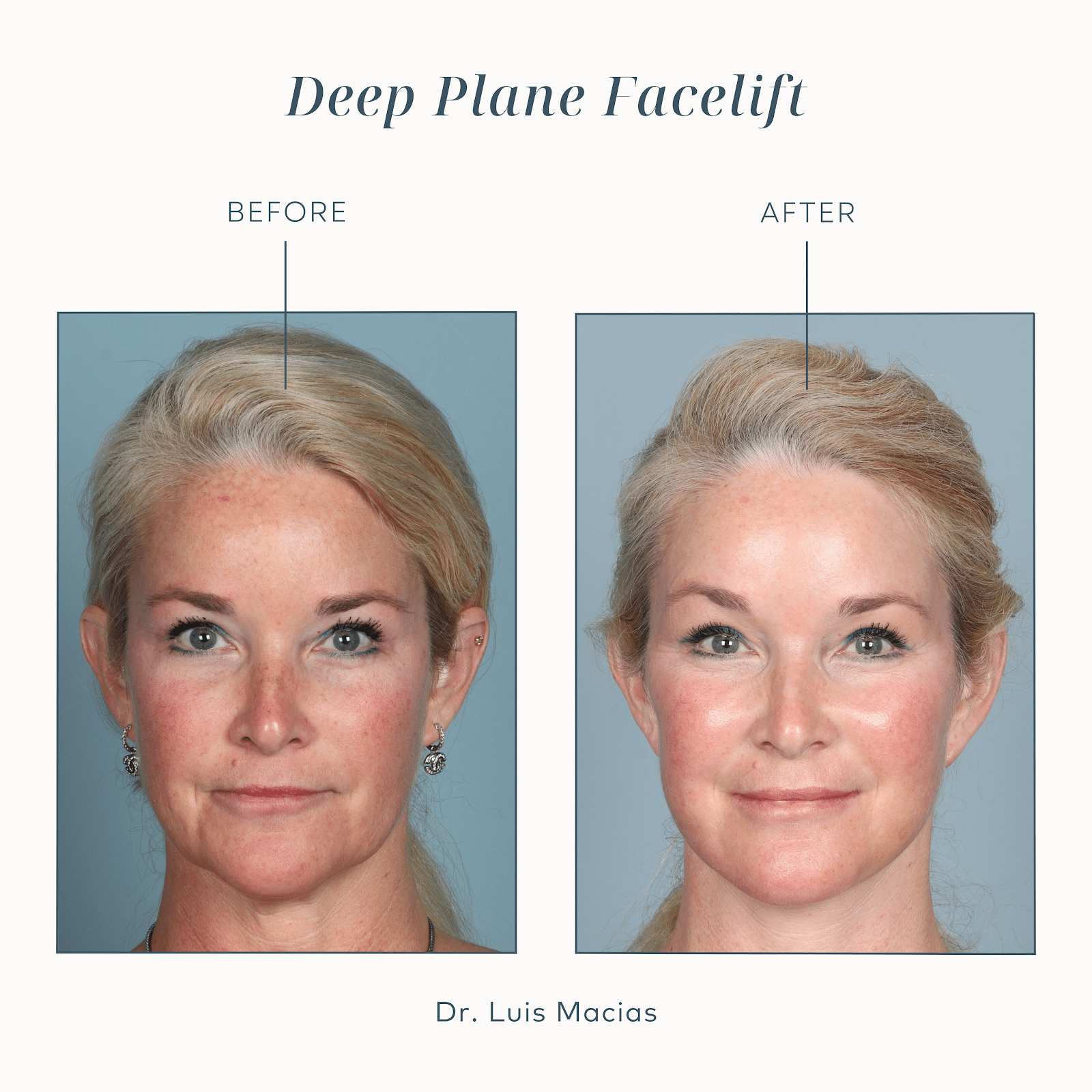
Traditionally, facelifts were seen as a procedure for individuals in their 50s or 60s, when signs of aging became more pronounced. However, the ideal age for a facelift has shifted in recent years. Many people are now opting for surgery in their late 30s or early 40s to address the early signs of aging, such as skin laxity and marionette lines.
Advantages of Early Intervention
Natural Results – Facelifts performed at a younger age tend to look more natural, as the changes are more subtle. This allows for a refreshed, youthful appearance without the surgery being obvious.
Long-Lasting Effects – Since the skin and tissues are still in relatively good condition, the results of a facelift performed at a younger age tend to last longer.
Less Invasive Procedures – For individuals in their late 30s or early 40s, less invasive procedures, such as mini facelifts, can be sufficient to address mild sagging and wrinkles. These procedures often require shorter recovery times.
Prevention – A facelift at a younger age can act as a preventative measure, addressing early signs of aging before they become more pronounced. This approach can help maintain a youthful appearance for a longer period.
Correcting Post-Weight Loss Sagging
Another reason for undergoing a facelift at a younger age is post-weight loss sagging. Significant weight loss, especially when rapid, can result in sagging skin that doesn’t fully retract. This can lead to an aged appearance, even in younger individuals. A facelift can effectively address excess skin and restore facial contour after weight loss.
Types of Facelifts: Choosing the Right Procedure
There are several types of facelifts, each designed to address different levels of aging:
Mini Facelift – Best suited for individuals in their 30s or 40s, this procedure is less invasive and targets early signs of aging with minimal scarring and downtime.
Full Facelift – For more advanced signs of aging, this comprehensive procedure tightens the skin, repositions facial muscles, and restores youthful contours to the face and neck.
Neck Lift – Often combined with a facelift, a neck lift focuses on tightening loose skin around the neck and redefining the jawline.
Non-Surgical Alternatives
For those hesitant to undergo surgery, non-surgical treatments offer a way to delay or complement a facelift. Options such as microneedling with radiofrequency, dermal fillers, and laser treatments can provide noticeable improvements in skin texture, volume, and tightness. These alternatives are best for individuals in the early stages of aging and provide less dramatic but still effective results.
Will a Facelift Require Revision Surgery?
While many individuals enjoy the results of their facelift for years, aging continues. The effects of a facelift typically last between 7 to 12 years, but factors like genetics, lifestyle, and sun exposure can affect the longevity of the results. Some patients may opt for revision facelifts to refresh their appearance as they age further. Techniques such as the SMAS facelift and the deep plane facelift offer long-lasting, natural results for those seeking revision.
Conclusion
Determining the ideal age for a facelift is a personal decision that depends on several factors, including genetics, lifestyle, and the individual’s aesthetic goals. While more people are choosing to have facelifts in their late 30s or 40s, modern techniques offer tailored solutions for every stage of aging. Whether opting for a surgical facelift or a non-surgical alternative, consulting with a qualified surgeon is key to achieving the best results.
For a deeper dive into this topic and expert insights, don’t miss the full article: The Ideal Age for a Facelift.
Published by: Holy Minoza