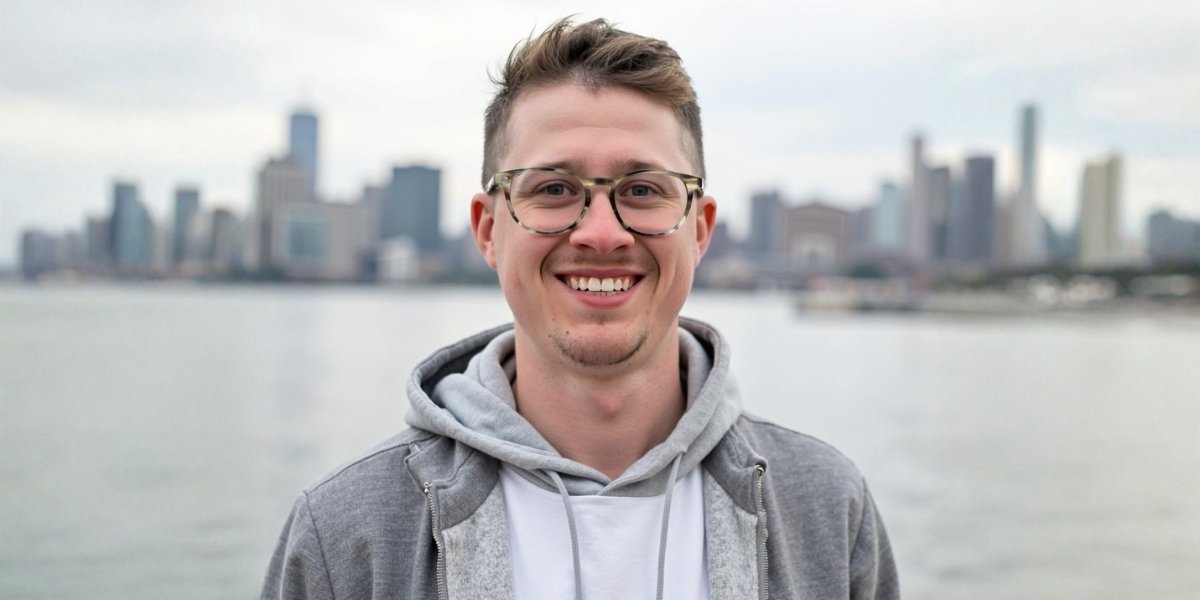
By: Kelvin Yu
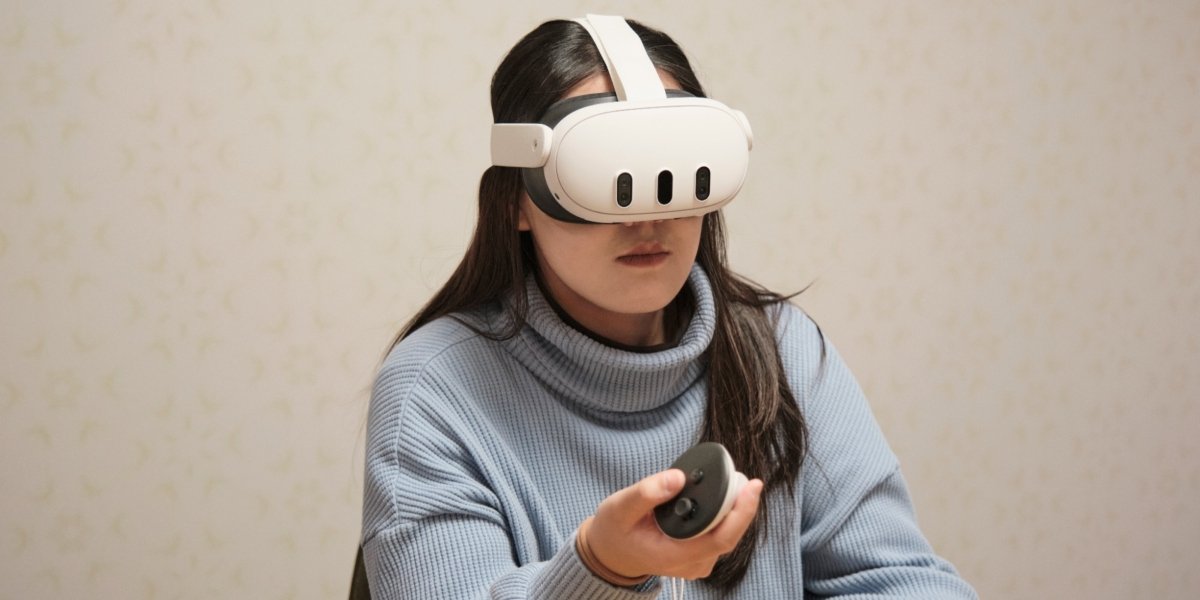
Yuehui Du is a UX and product designer working at the intersection of AR/VR, AI, and human-centered design. With a background in architecture and immersive technology, she’s passionate about turning complex systems into intuitive, thoughtful experiences. Her work ranges from mixed reality experiences to storytelling to AI-powered healthcare products that help people make more informed, confident decisions about their well-being.
In this interview, Yuehui shares her journey, her approach to designing with emerging technologies, and her perspective on where product design is headed next.
Q: Could you share your background in design and what led you to focus on emerging technologies like AR/VR and AI?
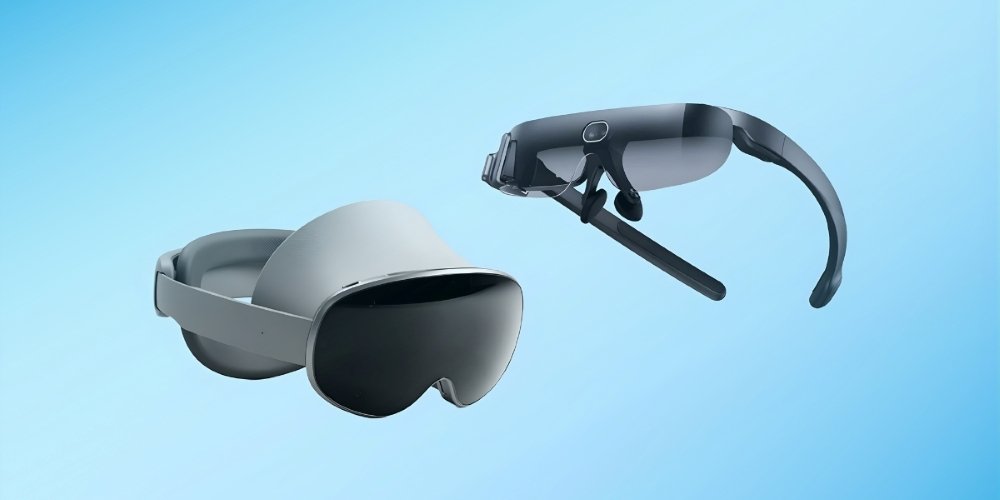
My background began in architecture, where I learned how design shapes environments and behavior. I transitioned into UX through my work in XR, which I designed for AR glasses and next-generation XR platforms. These experiences taught me how to translate complex technologies into intuitive, human-centered interactions and sparked my interest in how design can contribute to innovation.
What fascinates me most about AR/VR and AI is how design acts as a bridge between people and increasingly complex systems. As technology advances, it’s up to designers to make it feel meaningful, accessible, and supportive. Now, I’m building on that vision at a healthtech startup, where I lead UX as a founding design member, focusing on AI-powered tools that help people make more informed, confident decisions about their well-being. It’s a space where design has both personal and societal impact—and that’s what keeps me inspired.
Q: You’ve applied immersive and AI-driven design across domains like artwork and healthcare. Can you walk us through one or two key projects and their impact?
I’ve recently shifted my UX focus more toward healthcare and wellness, aligning with my values of designing for human well-being. I started with Erbal, a wellness e-commerce brand, where I led the design of an AI-assisted shopping experience that personalized herbal recommendations—work that was recognized with a design award and helped elevate both the brand and the user experience. Now, I’m the in-house designer at a healthtech startup, shaping a comprehensive AI-driven care platform that aims to empower users to manage their health with clarity and confidence.
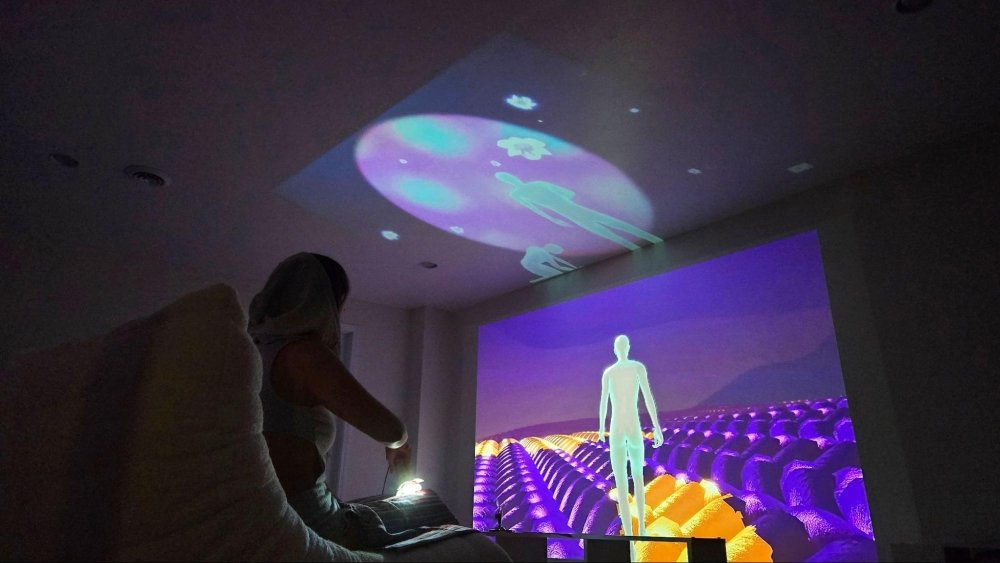
Alongside product work, I continue to explore immersive storytelling through collaborations with artists. I recently worked on Narcissus Bug, an interactive AR art experience with artist Curaxuan, which has been selected for exhibition at ICIDS 2025 and will be on display this December. Whether in healthcare or art, my work is rooted in the same mission: making emerging technologies feel more human, accessible, and emotionally resonant.
Q: What are some of the biggest design challenges you’ve faced when working with spatial computing or AI technologies, and how did you approach them?
One of the largest hurdles to designing for spatial computing and AI experiences is defining the technology’s role in the user experience. As powerful as these tools are, they can be distracting or overly complicated if their purpose isn’t clearly defined.
I begin by grasping the user’s actual needs, then determine how technology can purposefully address those needs. The aim is to make the technology feel seamless, enhancing the experience without dominating it. When used with intention, these technologies can create real value, not just novelty.
Q: Looking ahead, how do you see emerging technologies shaping the future of product design—and what should designers be thinking about now to stay ahead?
Emerging technologies like AR/VR, AI, and spatial computing are likely to transform product design by amplifying where, how, and why people interact with digital experiences. The lines between physical and digital realms are blurring, and interfaces are becoming adaptive, immersive, and intelligent.
To stay in front, designers need to think beyond the screen. One needs to understand the behavior, context, and systems that underlie new technologies, not just the tools. That means being willing to work across disciplines, design in multimodal experiences, and couple with both user needs and technological capability. Most importantly, designers need to lead with intention, using technology not for the sake of innovation but to create solutions that are considerate, usable, and impactful.