If you have ever stayed at a small hotel that felt calm, quick, and quietly “on it” from the moment you walked in, that smoothness typically isn’t luck. It is the result of good habits, clear routines, and a system that helps staff stay aligned when the day gets busy. This guide to small hotel PMS basics focuses on what matters in real life: how small teams keep bookings, rooms, and guest needs organised so the experience feels effortless without making the stay feel overly corporate or cold.
A PMS (property management system) can sound like a back-office topic, but for independent hotels, it often shapes the parts guests notice most: check-in speed, room readiness, special requests being remembered, and bills that make sense. The point is not “more technology.” The point is fewer avoidable hiccups, so staff can spend their energy on hospitality.
What “PMS” Means in a Small Hotel, Without the Jargon
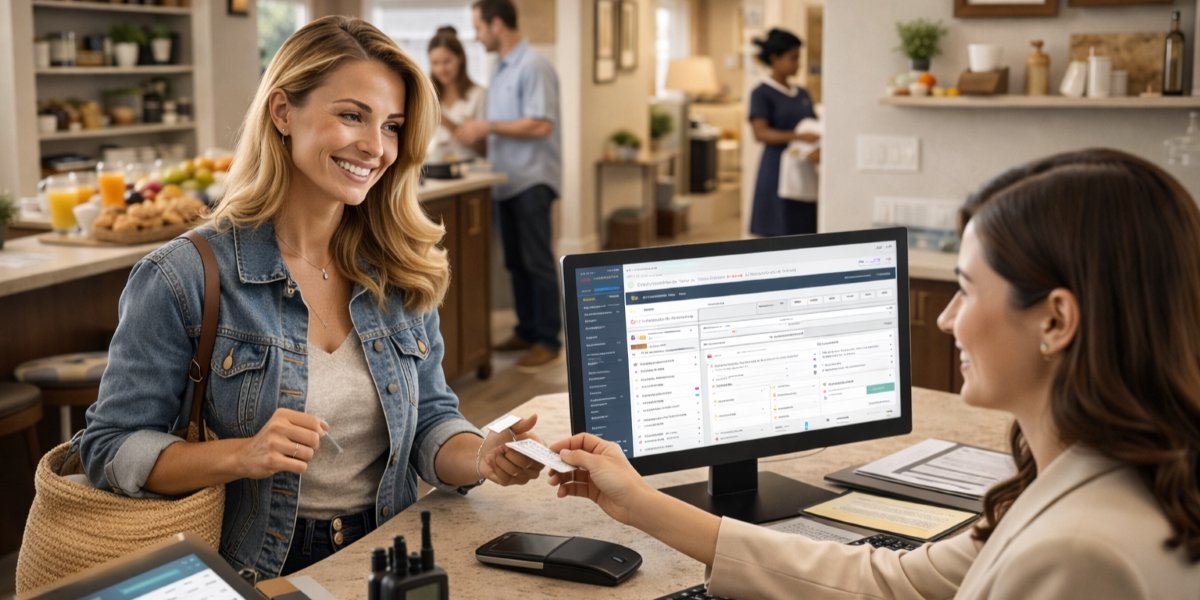
In simple terms, a PMS is the hotel’s shared record of what is happening. It keeps track of who is arriving, what they booked, which rooms are ready, what has been paid, and any notes that help deliver a better stay. In many properties, the PMS is where front desk and housekeeping meet, even if they never physically cross paths.
When people say PMS for small hotels, they are usually looking for something practical: one place to see the day’s plan, reduce mistakes, and avoid the “let me check” delays that can make a small hotel feel disorganised. Done well, it gives a small team the same operational confidence you would expect from a much larger property while still keeping the experience personal.
Why This Matters for Lifestyle Readers (Not Just Owners)
Travellers don’t book small hotels for “systems.” They book them for character: a warm welcome, a sense of place, staff who treat you like a person. But character alone doesn’t always fix the small moments that can sour a stay: waiting at reception, being told the room isn’t ready without a clear answer, or being surprised by a confusing charge at checkout.
Good PMS habits can help small hotels protect the vibe guests came for. When the basics are organised, staff feel calmer, and that calm carries into the guest experience.
The “Small Hotel PMS Basics” That Actually Move the Needle
The effective basics are not complicated. They are simple routines that prevent repeated problems.
A Clear View of Today
A well-run day starts with staff being able to answer, quickly: Who’s arriving? Who’s leaving? Who’s already in-house? Which rooms are clean and ready? If that information is scattered across emails, paper lists, and memory, the hotel becomes reactive. If it’s visible in one place, the hotel feels in control.
Room Readiness You Can Trust
Room status is where small hotels either feel smooth or feel uncertain. Guests are generally patient if they’re given accurate information. The frustration comes from vague promises, “It’ll be ready soon,” that could turn into a long wait. The ideal operations treat room readiness as a shared truth, updated consistently, so reception can give confident timings and practical options like luggage storage, a realistic priority clean, or a room swap if needed.
Notes That Make Service Feel Personal
A small hotel’s superpower is its ability to remember. But remembering should not depend on one staff member’s memory. The basic discipline is simple: capture only what helps deliver better service, such as quiet room preference, allergy notes, accessibility needs, “travelling for anniversary,” and write it in a respectful, professional tone. When these notes are easy to find at the right moment, the hotel can feel personal even on a busy day.
Clean, Understandable Charging
Most guests don’t mind paying for parking, pets, or incidentals. They mind being confused at checkout. The ideal PMS habits keep charges consistent and clearly described, so staff can explain them without hesitation. Clear bills are part of a relaxed departure, and relaxed departures tend to lead to better reviews and repeat stays.
Independent Hotels: Why the PMS Should Protect Personality, Not Replace It
An independent hotel PMS should be invisible to the guest in the ideal way. It should not turn the stay into a script. Instead, it should remove the repetitive admin tasks that steal time from real hospitality: retyping bookings, chasing housekeeping updates, correcting avoidable errors, and untangling payments.
Independents win on tone and authenticity. A system should support that by keeping the operational basics consistent, so staff have time for the human touches: walking a guest to the room, suggesting a local café that isn’t obvious on Google, or simply handling a request with confidence rather than delay.
When One Hotel Becomes Two: Multi-Property Management Without Losing the Boutique Feel
Many small owners grow in a very “small hotel” way: a second property nearby, a handful of apartments, or a sister inn in another town. The moment you run more than one site, you often learn that it’s not double the work, it’s a new layer of complexity. That’s where multi-property management for hotels becomes relevant, even for owners who still think of themselves as “small.”
Multi-property management is not about acting like a chain. It’s about shared visibility and shared standards, so you are not running your business through WhatsApp messages and spreadsheet merges. It helps you see what’s happening across properties, align the basics (room naming, policies, reporting categories), and make decisions faster. Most importantly, it reduces dependency on individuals, so one property doesn’t become the “good one” just because a particular manager happens to be on shift.
For lifestyle readers, this matters because multi-property owners can still offer a boutique experience, but only if their operations stay stable as they scale. Guests don’t want to feel the growing pains.
The Common Ways Small Hotels Make PMS Feel “Too Much”
Small hotels usually struggle with PMS use for one of three reasons: overcomplication, inconsistent habits, or unclear policies.
Overcomplication happens when rate plans multiply, templates become messy, and staff are forced to click through too many steps just to complete a normal check-in. Inconsistent habits happen when each shift records information differently, or housekeeping updates room status “when they get a chance,” which is usually too late. Unclear policies happen when deposits, cancellations, and late check-outs are handled differently by different staff members, creating guest confusion and internal stress.
The fix is rarely “more features.” It’s tightening the basics: fewer rate plans, clearer note standards, consistent room-status routines, and a single agreed approach to deposits and exceptions.
A Simple “Feel Effortless” Test You Can Use This Week
If you’re a small hotel owner, here’s a practical test that doesn’t require technical knowledge: on your next busy day, ask whether staff can answer these questions confidently, without searching emails or calling someone.
Can we quickly see all arrivals and departures? Do we know which rooms are truly ready right now? Can we handle a room move without billing confusion? Can we explain every charge at checkout in plain language? Can a new staff member follow the process without constant supervision?
If the answer is “yes” most of the time, your PMS basics are working. If the answer is “no,” the opportunity is not just a system decision; it’s an operations tidy-up.
The Bottom Line
Small hotels don’t need complicated systems to feel professional. They need reliable basics that help reduce friction: a shared view of the day, trustworthy room readiness, useful guest notes, and clear charging. When those basics are in place, the hotel feels calmer, the staff are more present, service feels more personal, and the guest experience becomes the effortless version of boutique that travellers typically hope for.
That is the real value of PMS for small hotels: not technology for its own sake, but a smoother stay that helps protect the independent spirit guests came for, whether you run a single property or are growing into multi-property management over time.