A legionnaires’ outbreak on Manhattan’s Upper East Side has sickened at least 36 people as of late July 8, prompting New York City health officials to order emergency cleanings of cooling towers across nearly 160 buildings. No deaths have been reported, though 22 patients required hospitalization.
Key Takeaways
- At least 36 people have been diagnosed with legionnaires’ disease in Manhattan’s Upper East Side as of late July 8, 2026, with 22 hospitalizations and no deaths reported.
- New York City health officials ordered emergency cleanings of cooling towers in at least 19 buildings and sampled water from nearly 160 towers to identify the contaminated source.
- Health Commissioner Dr. Alister Martin directly attributed the outbreak to climate change, stating that New York now has a subtropical climate that worsens exposure to the bacteria.
- Legionnaires’ disease affects fewer than 3 people per 100,000 but kills as many as 10% of those diagnosed, making it rare but severe.
- The outbreak is concentrated in Carnegie Hill and Yorkville neighborhoods, affecting zip codes 10028, 10128, and 10075, with lab results expected to take approximately two weeks.
The outbreak has drawn a direct warning from city health commissioner Dr. Alister Martin, who told The Guardian that climate change is intensifying the city’s vulnerability to the deadly pneumonia. The development signals a new public-health threat for urban centers as warming temperatures create ideal conditions for waterborne bacteria.
What Is Driving the Upper East Side Outbreak?
The cases are concentrated in Carnegie Hill and Yorkville, two neighborhoods bounded by Central Park and the East River, affecting zip codes 10028, 10128, and 10075. City comptroller Mark Levine confirmed that a contaminated cooling tower is the suspected source, not the municipal water system.
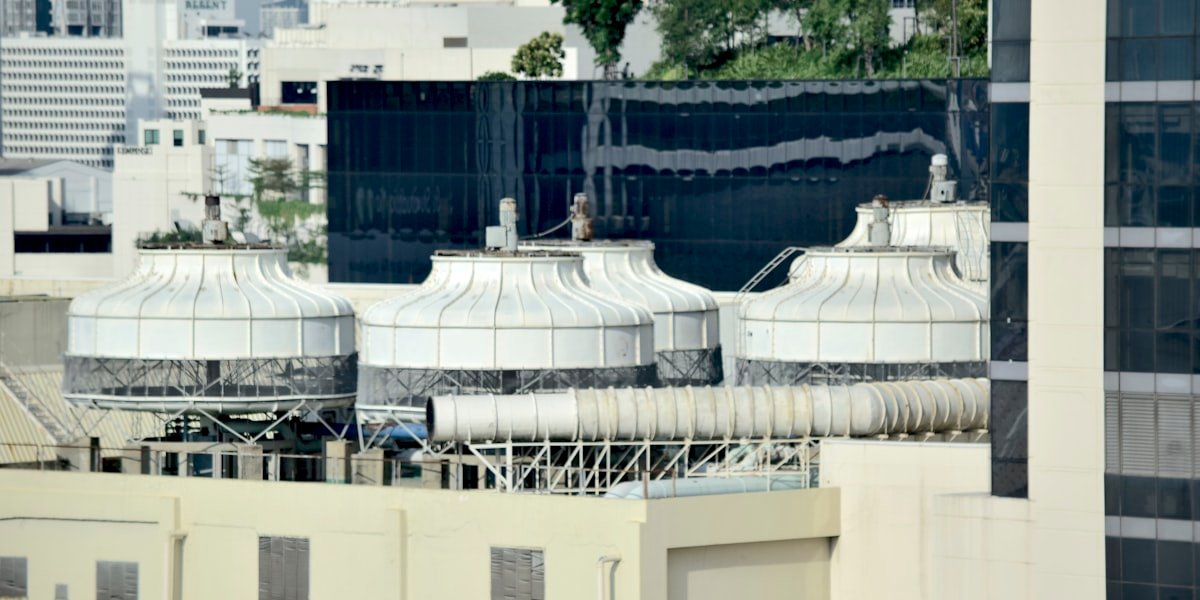
Health commissioner Dr. Alister Martin signed orders compelling at least 19 buildings to drain, clean, and disinfect their cooling towers. These structures, part of large buildings’ heating and cooling systems, can harbor Legionella pneumophila bacteria in warm water and release it as mist.
Lab testing to pinpoint the exact contaminated tower takes roughly two weeks. The health department sampled water from nearly 160 towers across the district to identify the source, leaving residents uncertain which structure is responsible.
How Serious Is Legionnaires’ Disease?
Legionnaires’ disease affects fewer than 3 people per 100,000, making it rare. But the illness is severe. As many as 10% of diagnosed patients die, according to The Guardian.
The bacterium causes a multi-system pneumonia with symptoms including cough, fever, headache, muscle aches, and shortness of breath. Some patients also experience nausea, chest pain, and confusion.
USA Today reports that the disease is not contagious and cannot spread through drinking water, cooking, or home air-conditioning units. People contract it by inhaling contaminated water vapor from sources like cooling towers, hot tubs, or spray fountains.
Why Climate Change Is Making Outbreaks More Common
Dr. Alister Martin made an unusually direct statement linking the outbreak to global warming. ‘This is now a subtropical climate,’ he told The Guardian. ‘It is absolutely true that climate change is worsening our exposure and increasing the propensity for legionnaires’ disease clusters like we’re seeing today.’
Legionella thrives in warm water environments. As New York’s summers grow hotter and humidity rises, the bacterium finds more hospitable conditions in urban infrastructure.
Outbreaks have been rising globally, from Melbourne to the Lombardy region of Italy and Lincoln, New Hampshire. Aging infrastructure, inconsistent maintenance, and populations with chronic health conditions all contribute to vulnerability.
Who Is Most at Risk in New York?
Although the current outbreak struck the Upper East Side, one of Manhattan’s wealthiest neighborhoods, past outbreaks in New York have disproportionately affected people living in poverty and Black Americans. Marquis Harrison, chair of a Harlem community board, said at a public meeting earlier this year that he had begun to believe ‘Legionella only knew Black and brown neighborhoods.’

George Yates, a 54-year-old Harlem resident, was diagnosed with legionnaires’ during a 2018 outbreak in Washington Heights, a neighborhood he didn’t live or work in. He was hospitalized for five days after what he believes was a chance encounter while driving for ride-share companies.
‘You’re walking down the street minding your own business, breathing in the air, and the air may be contaminated from a cooling tower you can’t even see,’ Yates told The Guardian.
Dr. Benjamin Wyler, an emergency medicine physician for Mount Sinai Health System, urged residents not to live in fear but to seek care promptly if they develop flu-like symptoms, especially fever, cough, or malaise.
What Happens Next as the Investigation Continues
The case count rose from 28 to 36 between July 8 and July 9, and the source remains unknown pending lab results. Health officials continue to test samples from towers across the three affected zip codes.
Once the contaminated tower is identified, the city will order additional remediation and likely tighten inspection protocols. New York already requires regular cooling-tower maintenance, but enforcement varies.
The outbreak arrives during a summer when New York has recorded multiple heat waves and above-average humidity. If Dr. Martin’s assessment holds, the city will need to reckon with a new category of climate-driven public-health risk, one that can strike any neighborhood and remain invisible until symptoms appear.
FAQs
Can People Get Legionnaires’ Disease From Tap Water or Air Conditioning?
No, residents cannot contract legionnaires’ disease through drinking water, cooking, or using home air-conditioning units, according to the New York City Health Department. People develop the illness only by inhaling contaminated water vapor from sources like cooling towers, hot tubs, or spray fountains.
What Are the Symptoms of Legionnaires’ Disease?
Symptoms include fever, cough, headache, muscle aches, shortness of breath, chest pain, nausea, and confusion. The illness is a severe form of pneumonia that affects multiple body systems. Anyone in the affected zip codes who develops flu-like symptoms should seek medical care promptly.
Why Do Cooling Towers Spread Legionnaires’ Disease?
Cooling towers are part of large buildings’ heating and cooling systems that circulate warm water. When maintenance is inadequate, Legionella bacteria can grow in the warm water and be released as mist or vapor. People who inhale that contaminated mist can develop legionnaires’ disease, even if they are simply walking past a building.
How Long Will It Take to Find the Contaminated Cooling Tower?
Lab testing to identify the specific contaminated tower takes approximately two weeks, according to city comptroller Mark Levine. Health officials sampled water from nearly 160 cooling towers across the three affected zip codes and are awaiting results.
Is This Outbreak Unusual for New York City?
Legionnaires’ outbreaks have occurred in New York before, particularly in neighborhoods with ageing infrastructure and inconsistent maintenance. However, health officials say climate change is now making outbreaks more frequent as warming temperatures create ideal conditions for the bacteria. Past outbreaks have disproportionately affected people living in poverty and Black Americans.
Are Other Neighborhoods at Risk?
Any neighborhood with cooling towers and warm, humid conditions is potentially at risk. Health Commissioner Dr. Alister Martin stated that New York’s climate is now subtropical, which increases the propensity for legionnaires’ disease clusters citywide. The current outbreak is limited to the Upper East Side, but officials have not ruled out additional cases elsewhere.