New York City’s Labor Day weekend in 2026 concentrates several of the city’s signature annual events into a single holiday stretch running from Wednesday, September 3 through Monday, September 7, with the official labor movement march following on Tuesday, September 8. The West Indian American Day Carnival returns to Brooklyn’s Eastern Parkway with a full week of programming that culminates in one of the largest parades in North America. The US Open enters its second week at Flushing Meadows with third-round singles matches filling Arthur Ashe Stadium. Staten Island’s Richmond County Fair transforms a 25-acre living history village into a three-day county fair. And across Queens, Lower Manhattan, and the outer boroughs, festivals and community events fill the calendar in what amounts to the city’s unofficial farewell to summer.
Key Takeaways
- The West Indian American Day Carnival parade takes over Eastern Parkway in Crown Heights on Monday, September 7, capping a Carnival Week that begins September 3 with Soca Fest, Junior Carnival, and the New York Panorama steel-pan competition.
- The 2026 US Open runs through September 13 at the USTA Billie Jean King National Tennis Center in Queens, with Labor Day weekend falling during the third round of men’s and women’s singles play.
- The 46th annual Richmond County Fair runs September 5 through 7 at Historic Richmond Town on Staten Island, drawing more than 15,000 visitors across three days.
- The NYC Central Labor Council holds its 2026 Labor Day March on Tuesday, September 8, assembling on Liberty Street in Lower Manhattan on a new route moved from the traditional Fifth Avenue procession.
- The Bindlestiff Family Cirkus hosts the 17th annual NYC Unicycle Festival in Jackson Heights, Queens, with riding events and performances centered on 34th Avenue Open Street.
The West Indian American Day Carnival Turns Crown Heights Into the Caribbean Capital of North America
The West Indian American Day Carnival is not a single-day event. Organized by the West Indian American Day Carnival Association, the celebration extends across a full Carnival Week that begins on Wednesday, September 3, and builds through a series of concerts, cultural showcases, and competitions before the main parade on Labor Day.
The week’s programming reflects the depth of Caribbean cultural tradition that the event carries. Soca Fest opens the festivities midweek. On Saturday, September 5, the Junior Carnival and Youth Fest bring families and younger participants into the celebration with costumed processions and performances. That same evening, the New York Panorama competition takes over the Brooklyn Museum plaza, where steel-pan orchestras from across the region compete for the championship title. The Panorama is the largest steel-pan competition in North America, and the Brooklyn Museum setting has become a fixed part of the Carnival Week calendar. Dimanche Gras, the concert night featuring soca headliners, rounds out the weekend programming before the main event.
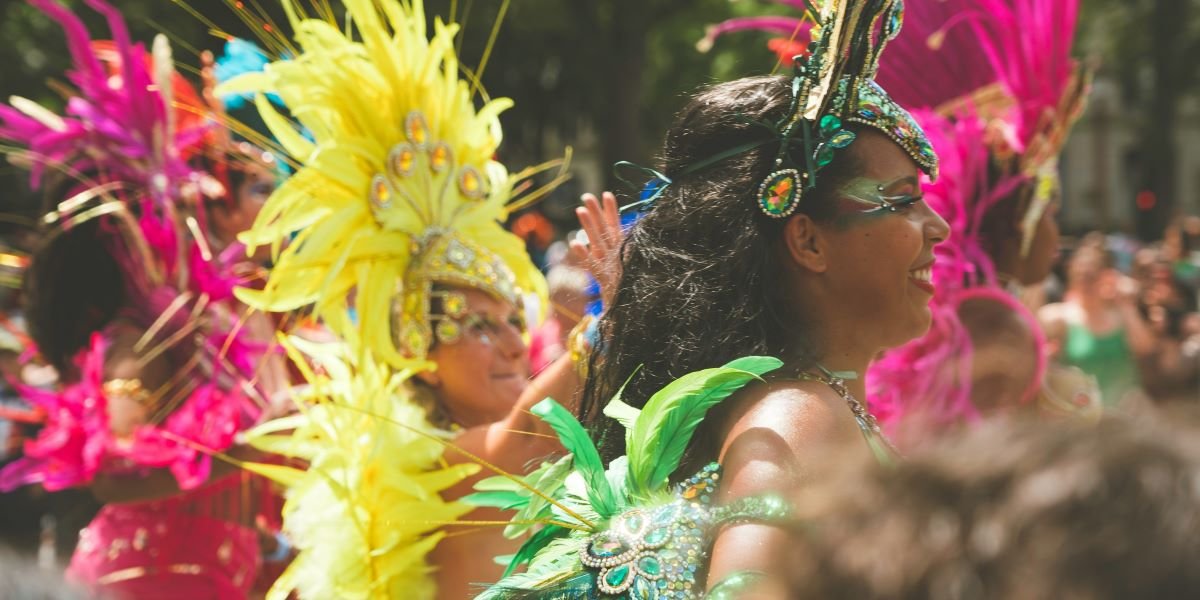
The parade itself steps off on Monday, September 7, traveling westbound along Eastern Parkway through Crown Heights toward Grand Army Plaza. The pre-dawn J’ouvert celebration, rooted in Trinidadian Carnival tradition, begins in the early morning hours before the main parade, with revelers gathering near Grand Army Plaza for a procession that moves down Flatbush Avenue as the sun rises. The main parade launches later in the morning, filling Eastern Parkway with costumed mas bands, steel-pan trucks, sound systems, Caribbean flags, and food vendors selling roti, jerk chicken, doubles, and other regional dishes along the route.
The Carnival’s roots in New York stretch back to 1947, when Trinidadian immigrant Jessie Waddell organized an indoor pre-Lenten celebration in Harlem. In 1969, Carlos Lezama, also from Trinidad, moved the event to Brooklyn’s Eastern Parkway, where it has remained ever since. The parade now draws an estimated one to three million spectators annually, making it one of the largest public gatherings in the Western Hemisphere and a defining cultural event for New York City’s Caribbean diaspora.
The US Open Places Labor Day Weekend Inside One of Tennis’s Marquee Stretches
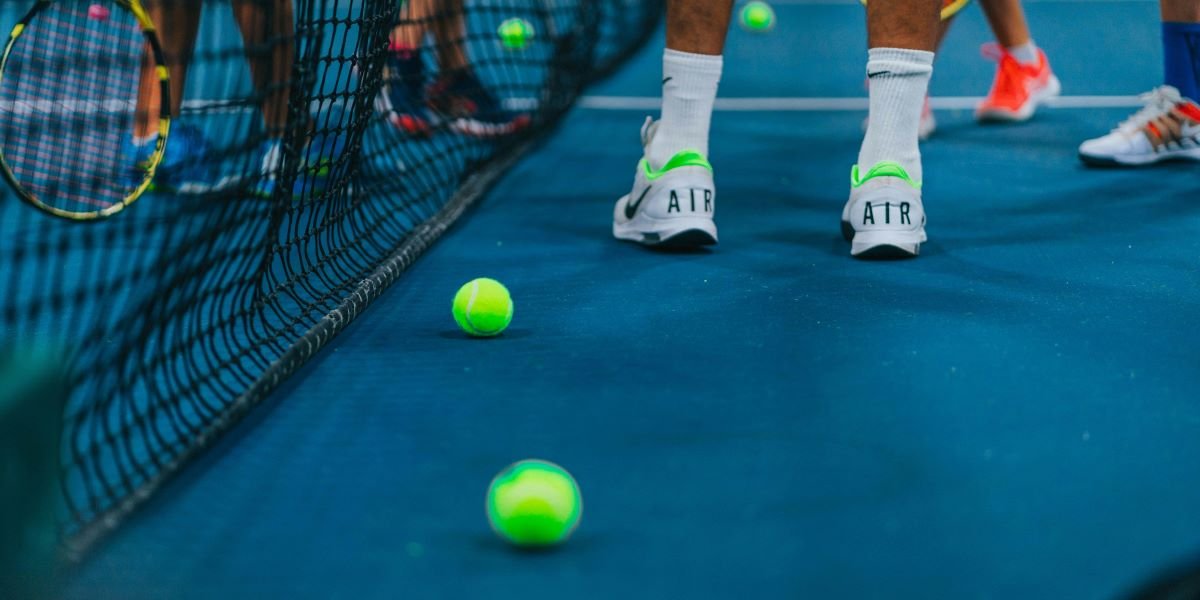
The 2026 US Open runs from August 23 through September 13 at the USTA Billie Jean King National Tennis Center in Flushing Meadows, Queens, and Labor Day weekend falls directly inside one of the tournament’s most compelling windows. By Saturday, September 5, the men’s and women’s singles draws will have reached the third round, with day and evening sessions running across Arthur Ashe Stadium, Louis Armstrong Stadium, and the Grandstand. The field is still broad enough that multiple courts carry meaningful matches simultaneously, and the seeded players who survived the first two rounds face opponents capable of producing upsets.
The 2026 tournament carries particular storylines heading into the holiday weekend. Defending champion Carlos Alcaraz returned to competition at Flushing Meadows after nearly four months away with a wrist injury, winning his opening-round match in straight sets on September 1. American Ben Shelton, playing in front of a home crowd in Queens, advanced through a four-set opening match. The tournament’s 22-day schedule, which includes eight days of free grounds admission during Fan Week, makes the 2026 edition the longest event schedule in the US Open’s near-150-year history.
The economic footprint of the tournament extends well beyond the tennis center grounds. The US Open is expected to draw more than one million fans to Flushing Meadows over the course of the event and generate approximately $1.2 billion in economic impact for the city. Last year’s tournament recorded total attendance of 1.14 million, a nine percent increase over 2024. Arthur Ashe Stadium is also midway through an $800 million redevelopment, and the 2026 event marks the first year fans will experience the initial phase of that renovation, including 2,000 additional courtside seats and an expanded promenade-level concourse.
Mayor Mamdani and the USTA announced last week that 1,000 discounted tickets would be made available exclusively to New York City residents at $100 each for main draw matches through Tuesday, September 8, placing US Open access within reach for fans who might not otherwise attend during the tournament’s prime stretch.
The Richmond County Fair Brings a Classic County Fair to Staten Island’s Living History Village
While Brooklyn hosts Carnival and Queens draws tennis fans, Staten Island offers a distinctly different version of the Labor Day weekend experience. The 46th annual Richmond County Fair runs September 5 through 7 at Historic Richmond Town, a 25-acre open-air museum and living history village at 441 Clarke Avenue in the Richmondtown neighborhood. The fair has been held every Labor Day weekend since 1980 and serves as the organization’s primary annual fundraiser.
More than 15,000 visitors are expected across the three days, filling the historic campus with carnival rides, a three-day music festival featuring Staten Island-based acts, eating contests, and more than 100 vendors selling food, handmade goods, antiques, and local crafts. What separates the Richmond County Fair from a standard carnival setup is the setting itself. Historic Richmond Town is New York City’s most complete outdoor living history village, founded in 1856, and fairgoers can watch blacksmithing, broom making, and open-hearth cooking demonstrations happening alongside the carnival rides and food stalls. The Staten Island Culture Crawl, positioned near the fair’s main entrance on Richmond Road, brings local nonprofit and cultural organizations together to showcase their work to the several thousand daily attendees.
The fair draws families from across Staten Island and increasingly from the other boroughs, offering a pace and atmosphere that stands in deliberate contrast to the scale of the events happening simultaneously in Brooklyn and Queens. For a borough that sometimes sits at the margins of citywide event calendars, the Richmond County Fair has built a loyal audience precisely because it feels like a small-town tradition operating within city limits.
The Labor Day March Moves to a New Route in Lower Manhattan
The NYC Central Labor Council’s annual Labor Day March, which honors the city’s working people and the labor movement that originated in New York, takes place on Tuesday, September 8, the day after the federal holiday. The 2026 march assembles on Liberty Street between Church Street and Broadway in Lower Manhattan, a departure from the event’s traditional route up Fifth Avenue from 44th Street to 64th Street.
The route change is notable for a city where parade routes carry institutional weight. The Fifth Avenue march had been a fixture for decades, and the shift to Lower Manhattan repositions the event in a neighborhood defined by the Financial District and the World Trade Center complex. The Central Labor Council has not publicly detailed the reasoning behind the route change, but the new assembly point places the march closer to City Hall and the civic core of Lower Manhattan.
The march itself is distinct from the West Indian American Day Carnival parade held the day before. While the Carnival is a cultural celebration rooted in Caribbean tradition, the Labor Day March is the official labor movement event in Manhattan, organized by the city’s central body of affiliated unions. The separation by one day allows the two events to maintain their distinct identities while anchoring the extended holiday weekend on either side of Labor Day itself.
Across the Boroughs, Smaller Events Fill the Gaps
The headline events do not account for the full scope of activity across the city during the long weekend. In Jackson Heights, Queens, the Bindlestiff Family Cirkus hosts the 17th annual NYC Unicycle Festival, with riding events, unicycle basketball, a learn-to-ride area for beginners, and performance spectacles centered on the 34th Avenue Open Street. The festival covers real ground, with long-distance rides extending well beyond the open street footprint.
Labor Day weekend also marks the final stretch of beach season across the Rockaways, Coney Island, and the Jersey Shore, with lifeguard coverage winding down at city beaches after the holiday. Free outdoor theater, food festivals, and neighborhood block parties round out the calendar in pockets of all five boroughs.
The density of the weekend’s programming reflects something specific about how New York City approaches the end of summer. Rather than a single signature event, the city distributes its energy across geographies and cultures simultaneously. A single weekend can hold a Caribbean carnival in Crown Heights, Grand Slam tennis in Flushing, a county fair on Staten Island, a labor march in Lower Manhattan, and a unicycle festival in Jackson Heights without any of them competing for the same audience. The city’s size and the diversity of its communities mean that Labor Day weekend does not have one center. It has several, each drawing from a different tradition, and the result is a holiday stretch that covers more cultural ground in four days than many cities manage in a full season.