
By: Ying Hou
A review of the choreographic work by Zhiyuan HUANG
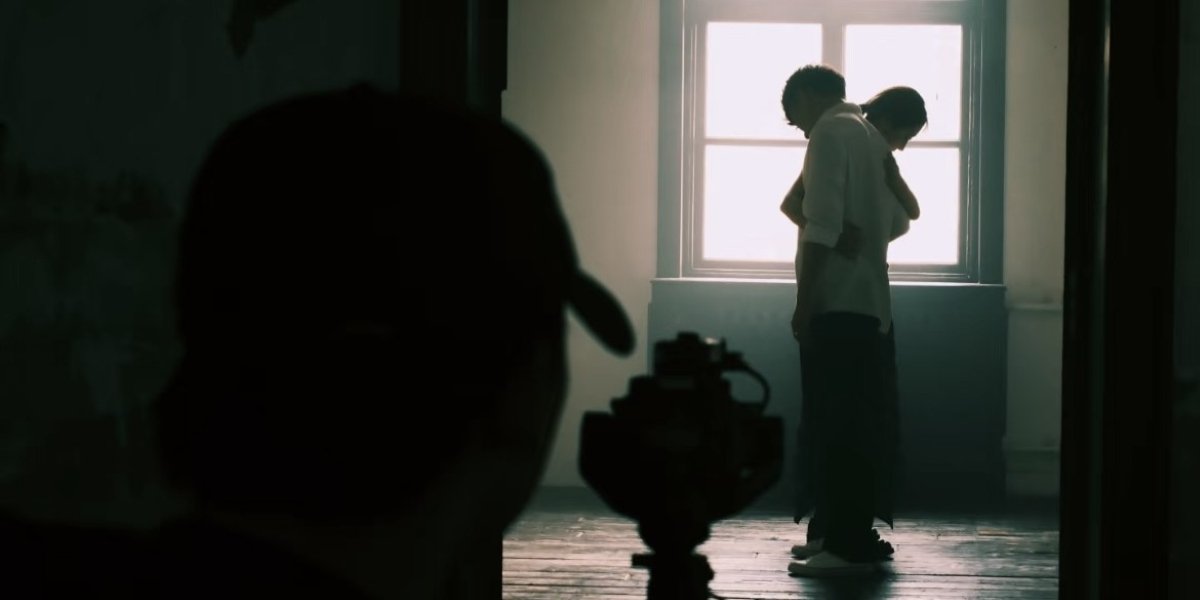
Dance of Spring is a ten-minute dance film choreographed and directed by dance artist Zhiyuan Huang, screened at the dance film evening at Gibney Dance Studio. Filmed entirely within a domestic interior, the work constructs an intimate psychological landscape, allowing viewers to grasp its thematic focus and enter its emotional atmosphere quickly. This clarity of experience distinguishes the film from many contemporary dance works that prioritize abstraction, where meaning remains diffuse and interpretation varies widely.
Set inside a house, Dance of Spring situates the body within a confined yet mutable space. Rooms, corridors, and doorways form a shifting spatial structure through which emotional states are articulated. As performers move from one room to another, each threshold introduces a change in rhythm, interaction, or visual tone. Doors function less as narrative devices than as perceptual markers, suggesting different modes of living or internal states rather than fixed storylines.
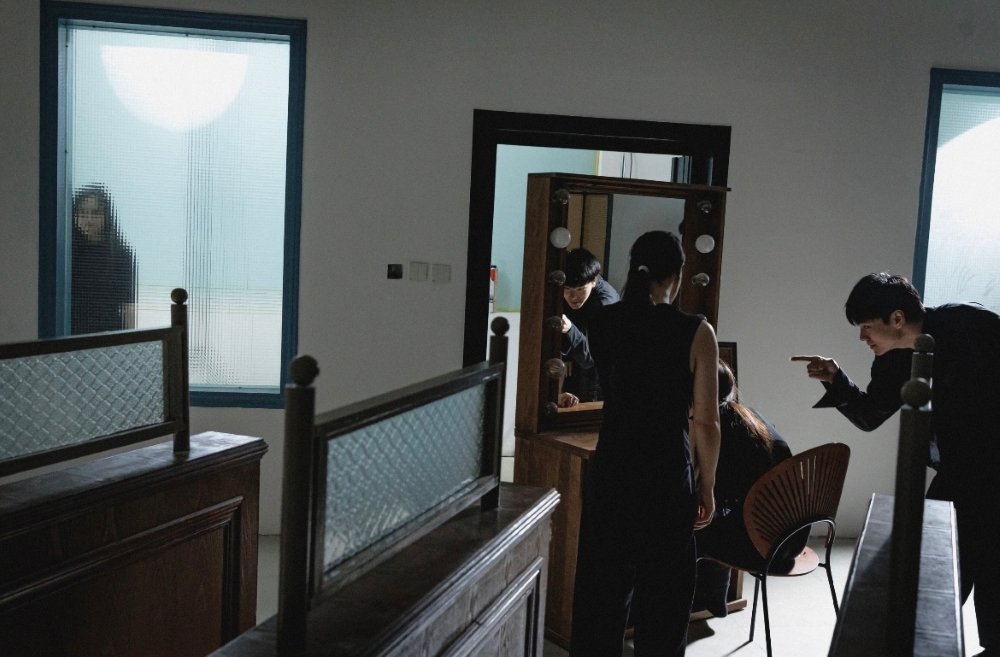
Huang’s choreographic thinking is inseparable from his use of cinematic language. The film is composed through a dense sequence of cuts, with rapid transitions and frequent shifts in framing. Despite the high number of shots, the editing remains controlled and coherent. Rhythm is accelerated but never chaotic, revealing a strong sensitivity to cinematic pacing. Movement is shaped as much by montage as by physical action, producing a form of choreography that exists specifically for the camera.
Seven dancers inhabit the space, their bodies integrated into the architecture and logic of the edit. Everyday domestic objects—distorted clocks, overturned cups, and familiar household items—appear throughout the film. These objects are not treated symbolically in a literal sense, but operate as material extensions of the performers’ emotional states. Time seems unstable, suggested through warped clocks, while spilled water interrupts equilibrium, echoing moments of internal disorientation.
Transitions between rooms are central to the film’s structure. The camera often follows dancers as they pass through doorways, disappear from view, or re-emerge in altered contexts. Rather than building narrative continuity, these movements generate a fragmented yet cohesive emotional terrain. Meaning accumulates through spatial contrast and repetition, allowing atmosphere to take precedence over plot.
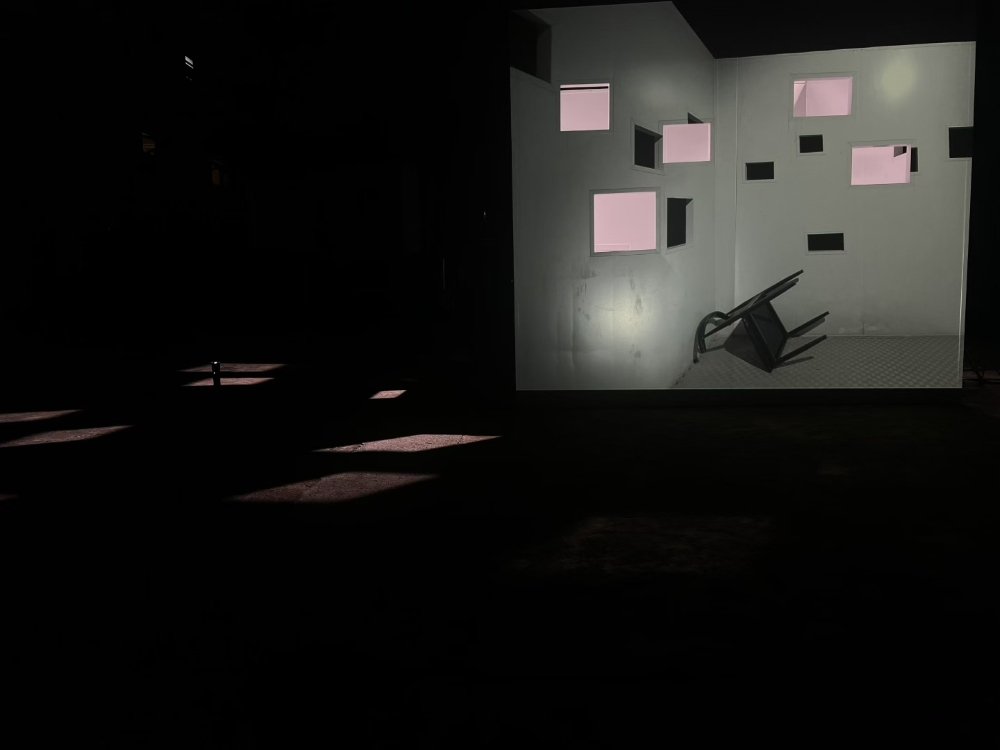
Sound and visual composition work in close dialogue with movement. Huang demonstrates a refined visual sensibility, using framing, proximity, and editing to shape how bodies are perceived. His approach goes beyond documenting dance for the screen; instead, choreography and camera language co-author the work. The film’s aesthetic is distinctly contemporary, favouring detail, texture, and rhythm over grand statements or theatrical spectacle.
As a ten-minute dance film, Dance of Spring establishes its thematic focus with notable precision. Rather than expanding towards large-scale narratives or overarching concepts, Huang consistently reduces his scope, locating the work within a clearly defined spatial and emotional frame. By concentrating on interior states and psychological nuance, the film prioritises the transmission of feeling over conceptual explanation. Familiar domestic settings and recognisable objects become vehicles for emotional articulation, demonstrating how restraint and clarity can produce depth.
This approach aligns with Huang’s professional dance film practice. In his work Black and White, breath functions as a compositional principle, slowing the pace of movement and editing. There, extended motion, monochrome visual balance, and the sensation of inhalation and exhalation shape the film’s atmosphere. Rather than illustrating ideas, Huang allows rhythm, duration, and visual restraint to generate embodied sensation. Across both works, narrative remains secondary to affect and perceptual experience.
Dance of Spring demonstrates Huang Zhiyuan’s strength in composing dance films through precision rather than expansion. By allowing choreography, cinematic language, and domestic space to co-construct meaning, the work resists narrative resolution while remaining emotionally accessible. Its clarity does not simplify experience; instead, it sharpens attention. In doing so, the film positions dance not as abstract spectacle, but as a medium capable of translating subtle, lived states into shared perceptual experience.