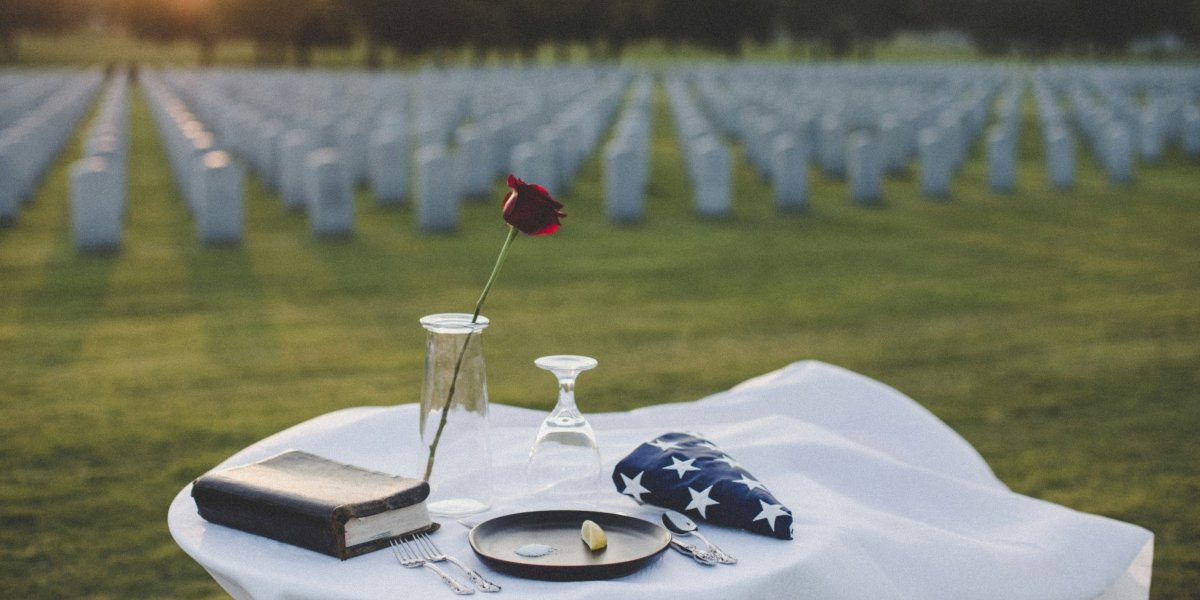
National Former POW Recognition Day is observed each year to honor members of the United States Armed Forces who endured captivity while serving their country. Recognized annually on April 9, the date commemorates the fall of Bataan during World War II and acknowledges the resilience and sacrifice of those held as prisoners of war.
The observance provides an opportunity for public reflection, education, and visible acts of respect, including symbolic gestures such as wearing a Navy hat to recognize service and endurance. This day ensures that the experiences of former prisoners of war remain part of the nation’s collective memory.
Why April 9th?
April 9th marks a pivotal moment in American military history. In 1942, U.S. and Filipino forces surrendered the Bataan Peninsula to Japanese troops, leading to the capture of thousands of service members. Many endured harsh conditions, forced marches, and extended imprisonment.
National Former POW Recognition Day was established to acknowledge this history and to honor those who survived captivity across multiple conflicts. The date serves as a reminder of the personal cost of war and the sacrifices made by individuals in uniform.
What Is the POW Experience Like?
The prisoner of war experience involved extreme physical and psychological challenges. Captives were often subjected to inadequate food, limited medical care, and harsh living conditions. Separation from fellow service members and uncertainty about the future added to the strain.
While experiences varied by time and location, the common thread was resilience amid prolonged adversity. Recognizing these realities helps deepen public understanding of what former POWs endured in service to their country.
The Long-Term Impact of Captivity
The effects of captivity did not always end with release. Many former POWs faced long-term health challenges, difficulty reintegrating into civilian life, and emotional strain.
Public acknowledgment of these experiences plays an important role in validating service and sacrifice. Recognition also reinforces the need for continued awareness of how military service can affect individuals long after conflicts conclude.
Why Does National Recognition Matter?
National Former POW Recognition Day exists to guarantee that these experiences are not overlooked. Public observances help preserve historical awareness while offering a collective expression of gratitude.
Recognition provides space for education, reflection, and acknowledgment at both the national and community levels. It reinforces the idea that service and sacrifice extend beyond combat, encompassing the endurance required to survive captivity.
How Communities Observe the Day
Communities across the country observe National Former POW Recognition Day through ceremonies, educational events, and moments of remembrance. Flags may be displayed, and local organizations often host discussions or commemorative activities.
These observances foster intergenerational learning and help make sure the stories of former POWs are shared with younger audiences. Community participation strengthens the connection between historical events and present-day understanding.
Preserving Stories for Future Generations
Preserving the experiences of former prisoners of war is essential to honoring their legacy. Oral histories, written accounts, and educational programs help accurately and respectfully document these stories.
By sharing firsthand experiences, future generations gain insight into the realities of military service and the importance of resilience. Preservation efforts ensure that these narratives remain accessible and meaningful over time.
The Role of Public Awareness and Education
Education plays a central role in observing National Former POW Recognition Day. Schools, museums, and historical organizations often use the occasion to highlight POW history within a broader military context.
Educational initiatives help clarify misconceptions and provide a more complete understanding of wartime experiences. Increased awareness supports a more informed public and reinforces respect for those who endured captivity.
Reflecting on Service and Sacrifice
National Former POW Recognition Day encourages reflection on the broader meaning of service. It highlights the courage required on the battlefield and also in enduring hardship under captivity.
Reflection helps connect historical events to current values, reinforcing the importance of honoring service in all its forms. This perspective supports a deeper appreciation for the sacrifices made by military members and their families.
Recognizing Former POWs Across Multiple Conflicts
While the observance is historically linked to World War II, National Former POW Recognition Day also honors service members captured during later conflicts, including Korea, Vietnam, and the Gulf War. Acknowledging former prisoners of war across generations reinforces that sacrifice is not confined to a single era and ensures broader recognition of military service under extreme circumstances.
A Day Dedicated to Enduring Strength and Service
National Former POW Recognition Day stands as a solemn reminder of the resilience and commitment shown by those who endured captivity while serving their country.
Through remembrance, education, and public recognition, the observance guarantees that their experiences are acknowledged and respected. By honoring former prisoners of war, the nation affirms the enduring value of service, sacrifice, and resilience across generations.
Disclaimer: The content provided is for informational purposes only. The views expressed in this article are not necessarily those of any specific organization or entity. This article serves as a tribute to the resilience and sacrifice of former prisoners of war and is intended to honor their contributions and experiences.