
By: Margarita Ramos
The fashion industry accounts for approximately 20 percent of global water pollution, contributing to one of the pressing environmental challenges of our time. Synthetic materials and chemical-intensive production processes have made clothing manufacturing a significant ecological threat. Water systems worldwide suffer contamination from textile dyes, finishing chemicals, and pesticide runoff from conventional cotton farming.
House of Nanii, a California-based fashion company, addresses this crisis through pesticide-free linen production methods. Designer Nanii Nnamdi has built the brand around sustainable practices that eliminate harmful chemicals from the manufacturing process. The company’s Solomon Collection represents a departure from industry norms, utilizing premium linen that requires minimal water and is cultivated without the use of pesticides.
The brand’s philosophy is cultural storytelling. His global perspective heritage influences each garment design, creating pieces that blend traditional patterns with contemporary silhouettes. This approach has generated significant social media growth, with followers increasing from 250 to 5,980 on Facebook and from 125 to 8,150 on Instagram since the April 2024 beta launch.
Linen’s Natural Advantage Over Synthetic Alternatives
Linen production requires 80 percent less water than conventional cotton cultivation. The flax plant, from which linen originates, grows in poor soil conditions without irrigation in many climates. Every part of the flax plant finds use in various industries, creating zero waste during processing. The efficiency of flax plant use has a stark difference from synthetic fabric production, which relies on petroleum-based materials and energy-intensive manufacturing.
Chemical treatments common in synthetic textile production release volatile organic compounds into waterways. Polyester manufacturing alone generates nitrous oxide emissions that are 310 times more potent than carbon dioxide. Linen processing eliminates these harmful byproducts through natural fiber preparation methods. The material’s durability means garments last longer, reducing the frequency of replacements and overall consumption.
House of Nanii’s linen sourcing prioritizes organic farming methods that rebuild soil health. Pesticide-free cultivation protects local ecosystems and groundwater supplies. The company’s supplier network spans regions where flax grows naturally, reducing transportation emissions. These practices align with the growing consumer demand for transparency in the fashion supply chain.
Cultural Heritage Meets Environmental Responsibility
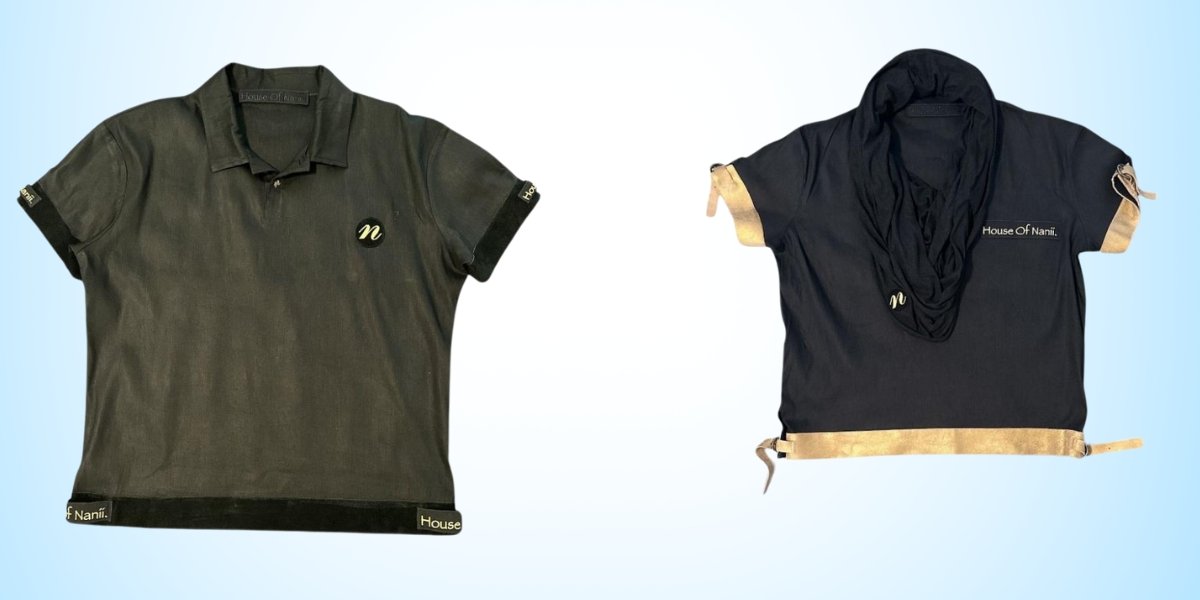
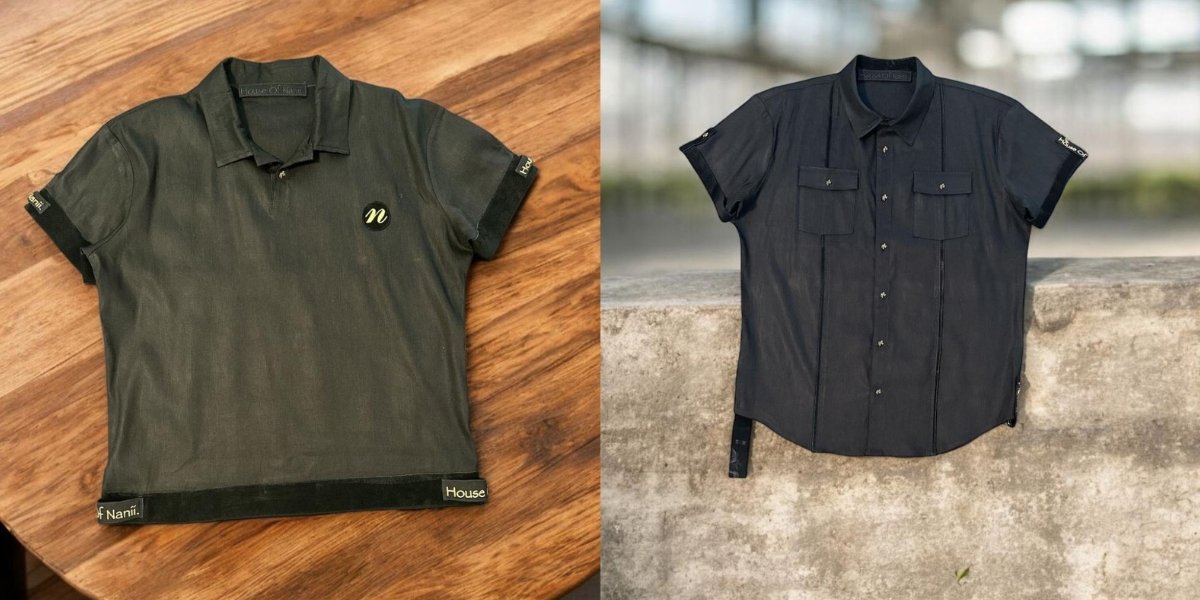
The Solomon Collection incorporates contemporary global design elements into modern menswear. Earthy and vibrant colors reflect natural dye techniques that avoid synthetic colorants. Heritage patterns appear in contemporary cuts designed for the modern masculine physique. Each piece tells a story that connects cultural identity with environmental consciousness.
Nanii’s global travel experiences inform the design process, creating garments that echo across cultures. Artisanal detailing preserves traditional craftsmanship techniques often lost in mass production. The collection targets niche communities seeking authentic cultural expression through sustainable fashion choices. This specificity allows the brand to compete effectively despite industry saturation.
Building Tomorrow’s Sustainable Fashion Standard
House of Nanii plans to use linen exclusively in all products by 2035. This timeline enables the gradual development of the supply chain and customer education about the benefits of natural fibers. The company’s current focus on menswear will expand to include women’s fashion and accessories. Each product category will maintain the same production standards.
The brand’s growth strategy prioritizes quality over quantity, directly opposing the principles of fast fashion. Limited production runs create exclusivity while reducing environmental impact. Direct-to-consumer sales through the company website eliminate retail markup and packaging waste. This model also allows for transparent pricing that reflects actual production costs.
The fashion industry transformation requires brands willing to sacrifice short-term profits for the long-term. House of Nanii demonstrates that environmental responsibility can coexist with culture and commercial success. The company’s pesticide-free linen production offers a replicable model for reducing the fashion industry’s contribution to water pollution. Future collections will continue exploring natural fiber applications, cultural authenticity, and environmental standards.