
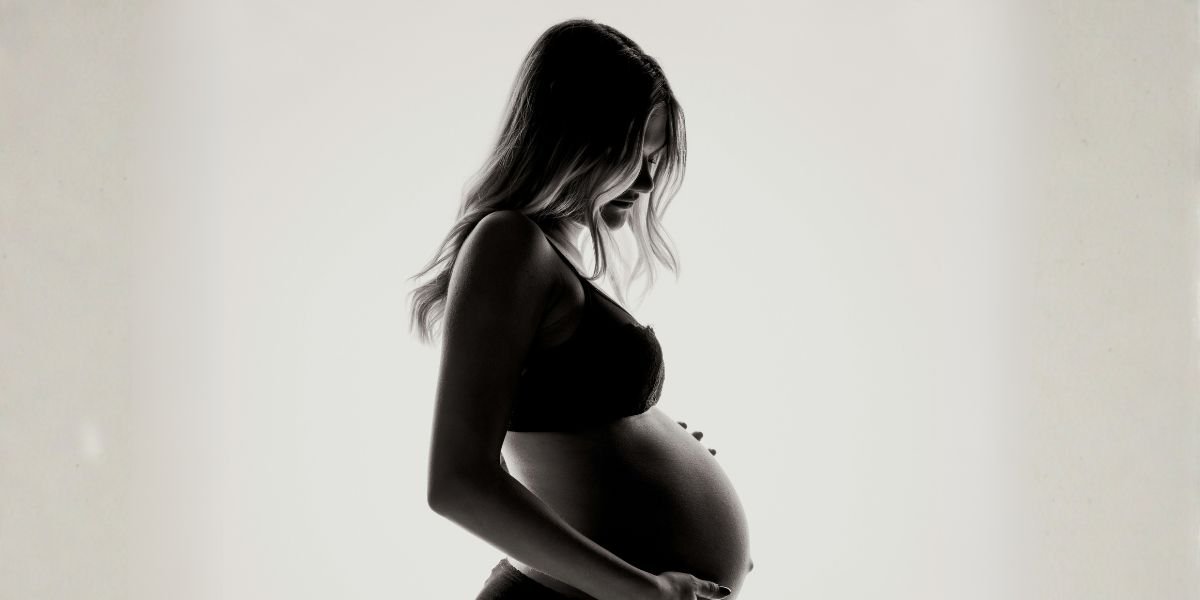
The experience of gestating a baby is probably an exceptional occurrence in a woman’s life, and consequently, it is not surprising that several feelings are manifested in pregnancy. Many women’s breast tenderness and enlargement are the first signs of pregnancy, and from there on out, as the gestation period progresses, the females find that their regular bras are getting too tight and uncomfortable. This is exactly the moment when it is important to know when to shop for a nursing bra. Choosing the correct maternity lingerie is essential for a joyful and cozy pregnancy. It not only makes pregnancy easier with appropriate support but is also suitable for the time after pregnancy.
Understanding the Role of a Nursing Bra
A nursing bra is just not a regular bra with added clips—it’s a bra specially made for a mother to support her body during pregnancy and breastfeeding. It uses stretchable fabrics, unclippable cups, and wider straps for less pressure on the shoulders and back. A nursing bra also allows easy, convenient breastfeeding without total bra removal, making it both functional and comfortable.
How Pregnancy Affects Your Breast Size and Shape
Besides, pregnancy-induced hormonal changes can impact your body system to the extent that the body expects to be given breast milk. The raised levels of both estrogen and progesterone cause the milk glands and other breast tissues to expand. Generally, this change is accompanied by a rise in 1-2 cup sizes.
Your rib cage is expanding due to your baby’s birth; therefore, your band size may also increase. Such changes may make your everyday bras become tight and uncomfortable, or you may have a bad posture because you are wearing them. Due to the unpredictability of these variations, it is necessary to buy your nursing bra depending on your pregnancy phase.
First Trimester: Is It Too Early to Buy?
During the first trimester, your breasts can become a little painful and ‘a bit fuller’, although large changes in size are still expected. Perhaps it is still a bit early to go and buy a nursing bra. However, it would be a great time to put comfort first.
Think about changing to maternity lingerie, which is made of soft and stretchable materials that can accommodate changes in your body. For this period, smooth maternity bralettes or non-metallic cotton bras are very good. They allow the skin to breathe and give the needed support without the feeling of being tightly packed and the discomfort that usually occurs due to the use of underwired bras.
Second Trimester: A Good Time to Start Shopping
Usually, it is ideal to begin buying breastfeeding bras in the second trimester. Your breasts will have stopped growing at this period, so that you will be much more sure about the size of your breasts. The regular bras you usually wear will no longer fit you as hormone levels have balanced out.
During the second trimester and buying nursing bras, it is advisable to shop for the following features:
- Elastic cups that can change with the breast size.
- Adjustable bands that have more than one hook setting for flexibility.
- Wide straps that support the weight being carried and thus lessen the trouble in your shoulders caused by the weight.
- Breathable materials such as cotton or bamboo can be used comfortably throughout the day.
A couple of good nursing bras at this point can not only last you through the rest of your pregnancy but also well after the delivery.
Third Trimester: Preparing for Postpartum Needs
During the third trimester, the breasts are generally the fullest, and the rib cage is almost at its maximum width. It is the ideal moment to complete your maternity lingerie assortment. A few leaks of colostrum might have already occurred in your case, so these bras with good absorption and easy cleaning will be quite handy.
Buy a few different nursing bras so you can use them interchangeably:
- Support daytime bras for regular usage.
- Comfortable sleep bras for the night.
- Nursing bras without seams that adjust to changing breast sizes.
Postpartum Sizing: Your Body After Birth
Through the first period after giving birth, your breasts are going to go through changes again because they are going to produce milk. For some days, they can be made of an engorgement and, therefore, they can become bulky. Therefore, the ideal time for purchasing more nursing bras is two to four weeks after giving birth, when both breast size and milk supply have reached the point of stability.
Currently, focus on comfort. Initially, a soft and comfortable bra without wires that is breastfeeding-friendly is just the right one after giving birth. Once your size has become stable, consider a more supportive nursing bra that fits you best.

How Many Nursing Bras You’ll Need and When
A practical question many moms ask is: How many nursing bras do I actually need?
In general, having three to four nursing bras is ideal:
- Two daytime bras for everyday use.
- One or two sleep bras for nighttime wear.
- (Optional) One pumping bra if you plan to use a breast pump regularly.
Wearing different bras alternately lets you wash them, and time ensures you are never without a clean, supportive bra. Keep in mind, a nursing bra is subjected to a lot of wear—stretching, feeding, and regular washing—so it is advisable to buy a good and durable one.
Tips for Getting the Right Fit at Every Stage
The right size and fit selection can make a very big difference in comfort and support. Below are some tips that you can use to help you:
- Always measure: The size of the breasts changes several times during pregnancy and lactation, so you should measure every few months.
- Prioritize adjustability: Multiple hook settings on the band and silver cups may be sought to accommodate growth.
- Simply be wire-free: Underwires can restrict milk flow or press on sensitive ducts.
- Choose thick straps: These distribute weight more evenly, especially for larger busts.
- Pick breathable fabric: Moisture-wicking materials help keep the area around the nipple from getting dry or infected.
The right nursing bra should feel snug but not tight, supportive but not restrictive. It should move naturally with your body and make nursing or pumping effortless.
Conclusion
Determining the ideal time to purchase nursing bras is more than just ‘the perfect time’; it also involves understanding your body changes and anticipating the need for ease. Each trimester brings its own changes, and with the right maternity lingerie, you will feel comfortable and supported throughout all phases.
Experiment with pliable, comfortable items in your first trimester, transition to the nursing bras of your second that have good support, and finally, in your third, complete your collection. After delivery, let your body relax for a while with more structured styles that you can add later.