
The first three months after giving birth exist in their own strange pocket of time. Days blur into nights. Your body feels foreign in ways you didn’t anticipate. Everything seems to require more effort than it should, from getting out of bed to remembering whether you’ve eaten. This period, often called the fourth trimester, is a profound transition for both parent and baby, and it deserves the same intentional support as pregnancy.
While modern medicine offers valuable tools for postpartum recovery, many parents find themselves drawn to gentler, time-tested remedies that work alongside the body rather than overriding it. Herbal and holistic approaches have supported new mothers across cultures for centuries, and understanding what’s available can help you build a recovery toolkit that actually fits your life.
Rest and Nervous System Support
Sleep deprivation is perhaps the defining feature of early parenthood. Even when the baby sleeps, many new parents find themselves wired, unable to settle their minds or bodies. The nervous system, flooded with new responsibilities and hormonal shifts, often struggles to downregulate.
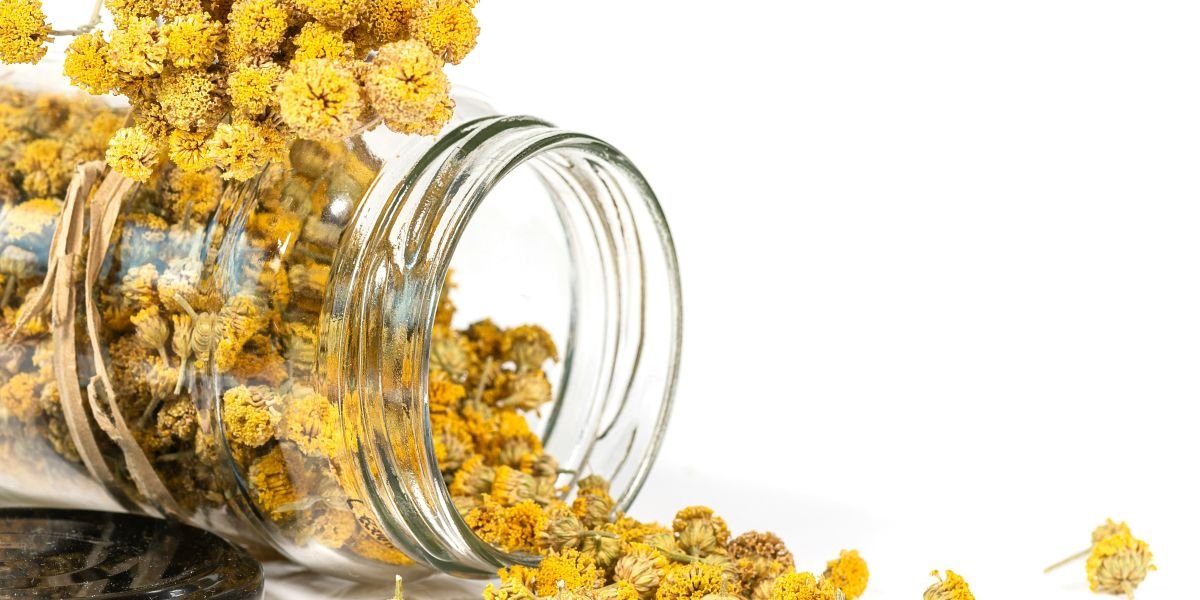
Gentle herbs can offer support here. Chamomile and lemon balm have long histories of use for calming anxiety and promoting restful sleep. Both are considered compatible with breastfeeding when used in moderation, such as a cup of tea before bed. Passionflower is another option some parents explore for its mild sedative properties, though it’s a good idea to check with a healthcare provider before adding anything new.
Beyond herbs, simple practices matter enormously during this phase. Keeping the bedroom cool and dark, limiting screen time in the evening, and accepting help so you can nap during the day all sound obvious but are often deprioritized. The fourth trimester asks you to be radically protective of your rest in ways that might feel selfish but aren’t.
Lactation Support
For those who are breastfeeding, milk supply is often linked to mood and energy. Stress and exhaustion can interfere with letdown, and worrying about supply creates its own cycle of tension. This is why the emotional and physical foundations matter so much before considering specific lactation support.
That said, herbal galactagogues can offer additional help as part of a broader approach. Fenugreek is the most widely known lactation herb, though it doesn’t work for everyone and can cause digestive discomfort in some parents or babies. Blessed thistle is often used alongside it. Another particularly interesting galactagogue is goat’s rue, because some herbalists believe it supports the development of mammary tissue, making it potentially useful for parents with insufficient glandular tissue or those who’ve had breast surgery. As with any supplement, discussing options with a lactation consultant or healthcare provider helps ensure they make sense for your specific situation.
Beyond herbs, the fundamentals remain essential. Frequent nursing or pumping, skin-to-skin contact, adequate calories and fluids, and addressing any latch issues form the foundation on which herbal support builds.
Mood and Emotional Balance
Hormonal fluctuations after birth are dramatic. Estrogen and progesterone plummet, prolactin surges, and the emotional landscape can feel unpredictable. Some tearfulness and overwhelm is completely normal. Persistent feelings of hopelessness, detachment, or anxiety warrant professional support, but milder mood struggles often respond well to holistic approaches.
Omega-3 fatty acids, particularly DHA, play a documented role in brain health and mood regulation. Many postpartum parents find their levels depleted after pregnancy and breastfeeding. Fatty fish, walnuts, and flaxseed offer dietary sources, while high-quality supplements can fill gaps.
Adaptogenic herbs like ashwagandha have gained attention for their potential to support the body’s stress response. Some parents find them helpful for managing the low-grade anxiety that often accompanies new parenthood. St. John’s Wort is another herb traditionally used for mood support, though it interacts with numerous medications and isn’t recommended while breastfeeding, so it’s not appropriate for everyone.
Sunlight exposure, even brief, helps regulate circadian rhythms and supports vitamin D levels, both of which influence mood. A short walk outside with the baby, when possible, accomplishes more than it might seem.
Nourishment and Physical Recovery
And all of the above, the rest, the milk production, the emotional balance, depend on giving your body enough fuel to work with. Postpartum nutrition often falls by the wayside when caring for a newborn consumes every waking moment, but under-eating affects everything from energy to healing to supply.
Iron-rich foods help replenish stores depleted by blood loss during delivery. Red meat, lentils, spinach, and fortified cereals all contribute. Pairing iron sources with vitamin C improves absorption. Protein supports tissue repair and helps stabilize blood sugar, which in turn stabilizes energy and mood.
Bone broth has experienced a resurgence in popularity, and for good reason. Rich in collagen, minerals, and amino acids, it’s easy to digest and can be sipped throughout the day when sitting down for a full meal feels impossible. Many cultures have traditional postpartum soups and stews built on similar principles.
Staying hydrated matters more than ever, especially if you’re breastfeeding. Keeping a water bottle within arm’s reach wherever you typically feed the baby helps make hydration automatic.
Building Your Support System

Perhaps the most powerful natural remedy for the fourth trimester isn’t something you consume at all. Human support, the presence of people who can hold the baby while you shower, drop off food without expecting you to entertain them, or simply sit with you during a hard afternoon, makes an enormous difference.
Many cultures build elaborate postpartum support structures into their traditions, with family members caring for the new mother for weeks after birth. Modern Western life often leaves parents isolated precisely when they need community most. Actively building that support, even when asking for help, feels uncomfortable, and is itself a form of self-care.
The fourth trimester ends, eventually. Your body finds a new equilibrium. Sleep returns in longer stretches. The fog lifts. But how you move through those early weeks shapes your recovery and your experience of new parenthood. Approaching this time with intention, with good food and supportive herbs and people who show up for you, makes the passage gentler than it might otherwise be.
Disclaimer: The information provided in this article is for general informational purposes only and is not intended as medical advice. While the herbs and remedies mentioned, such as fenugreek, chamomile, and ashwagandha, have a long history of traditional use, scientific studies on their effectiveness for postpartum recovery and breastfeeding are mixed, and their effectiveness may vary from person to person. It is important to note that while some herbs may offer benefits, they are not a substitute for medical treatment. The American College of Obstetricians and Gynecologists (ACOG) and other similar organizations typically recommend consulting with your healthcare provider or a lactation consultant before using any herbal supplements, particularly while breastfeeding or if you have any underlying health conditions. Individual results may vary, and professional guidance is essential for ensuring safe and effective use.