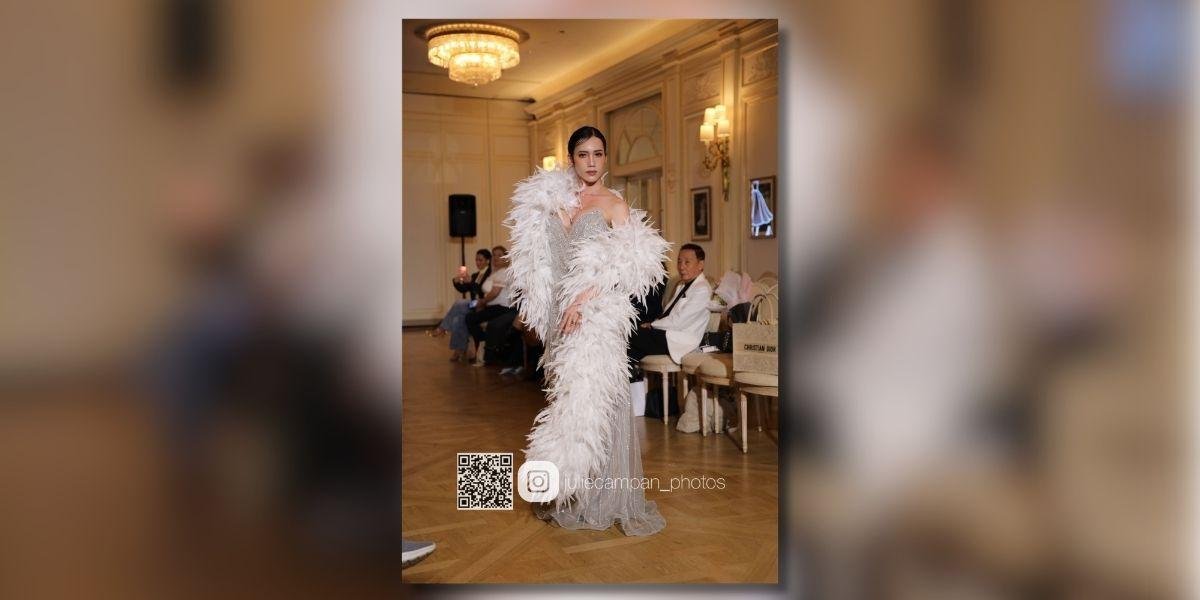
What Is the Origin Story Behind Stiletto Heels?
The allure of stiletto heels begins with a name borrowed from a dagger—sharp, slender, and unmistakably bold. Their silhouette first emerged in the mid-20th century, but the concept dates back centuries. Early iterations of elevated footwear were worn by nobility to signify status, though they lacked the sleek refinement of today’s stilettos.
In the 1950s, Italian designer Salvatore Ferragamo introduced a steel-reinforced heel that allowed for height without compromising stability. Around the same time, Roger Vivier, working with Christian Dior, elevated the stiletto into high fashion. His designs fused elegance with engineering, giving rise to a shoe that could elongate the leg and transform posture.
As fashion evolved, so did the stiletto’s symbolism. It became a statement of power, sensuality, and rebellion. From the silver screen to city streets, stilettos captured attention and sparked conversation. Their journey from aristocratic footwear to cultural icon reflects a blend of innovation and identity.
How Have Stiletto Styles Changed Over Time?
The evolution of stiletto heels mirrors shifts in fashion, culture, and technology. In the 1960s, they were sleek and minimal, often paired with mod dresses and bold prints. The 1970s saw a retreat to chunkier platforms, but stilettos returned with force in the 1980s, embracing drama and excess.
Designers began experimenting with materials—patent leather, suede, PVC, and even metallic finishes. Embellishments like studs, crystals, and embroidery added flair, while heel heights climbed to daring extremes. The 1990s and early 2000s brought a mix of minimalism and maximalism, with stilettos appearing in both understated and avant-garde forms.
Today’s styles range from classic pumps to architectural designs. Brands like Terry de Havilland push boundaries with sculptural heels and bold textures. Whether worn with tailored suits or flowing gowns, stilettos remain versatile. Their adaptability ensures they never fade—they simply reinvent.
Why Do Stilettos Hold Such Cultural Power?
The cultural impact of stiletto heels goes beyond fashion. They’ve become symbols of confidence, femininity, and defiance. In film, characters like Catwoman and Jessica Rabbit use stilettos to amplify allure and authority. On red carpets, they signal sophistication and presence.
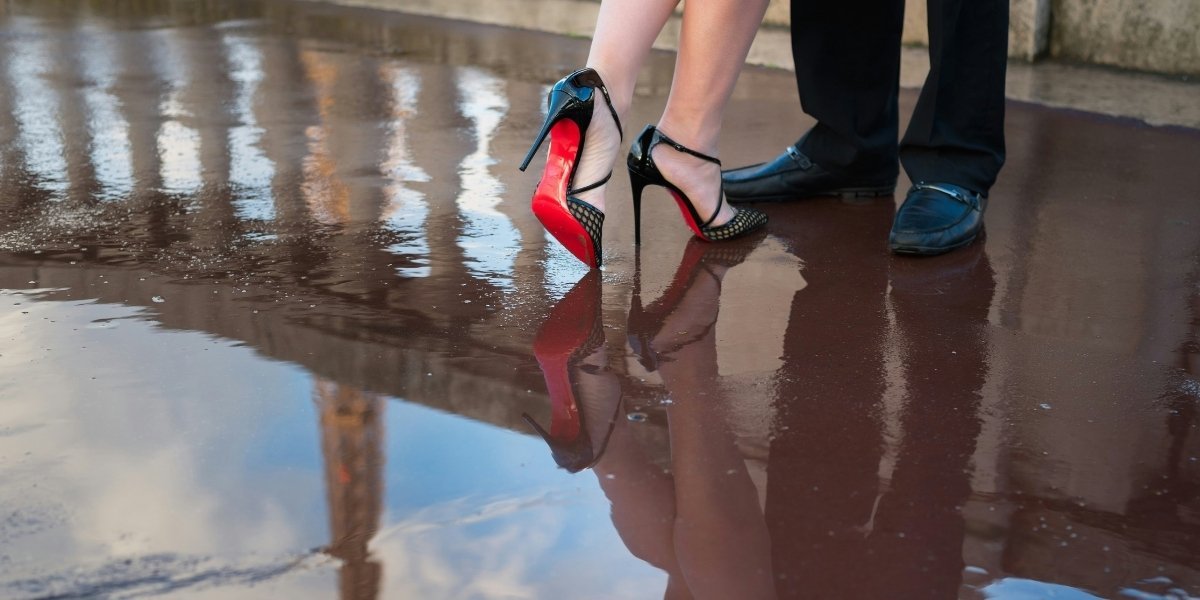
This power isn’t just visual—it’s psychological. Wearing stilettos alters posture, elevates stature, and often boosts self-assurance. The act of walking in them requires intention, which translates into a commanding presence. For many, slipping into stilettos is a ritual of transformation.
Stilettos also reflect societal shifts. Their popularity often surges during periods of empowerment and self-expression. They’ve been embraced by artists, activists, and style icons alike. Whether worn for elegance or edge, they carry meaning. Their cultural resonance makes them more than footwear—they’re a form of language.
How Can You Walk Gracefully in Stiletto Heels?
Walking in stiletto heels is an art that blends technique with confidence. It starts with posture—shoulders back, core engaged, and steps placed heel to toe. Short strides help maintain balance, while keeping the knees relaxed prevents stiffness. The goal is fluidity, not speed.
Choosing the right fit is essential. A snug but not tight shoe offers support, while cushioned insoles reduce pressure. Heel height matters too; starting with a moderate lift allows for adjustment before tackling higher styles. Materials like leather mold to the foot over time, enhancing comfort.
Practice makes progress. Walking on different surfaces—carpet, tile, pavement—builds adaptability. Standing still in stilettos also requires awareness, with weight distributed evenly across the ball and heel. Over time, these movements become second nature, turning each step into a statement.
What Should You Consider When Choosing Your Perfect Pair?
Selecting the ideal stiletto heels involves more than aesthetics. Consider the occasion, outfit, and personal comfort level. Classic black pumps offer versatility, transitioning seamlessly from office to evening. Nude tones elongate the leg, while bold colors or patterns add flair.
Heel height and shape affect wearability. A 3-inch heel may offer elegance without strain, while a 5-inch spike demands experience. Pointed toes create a sleek silhouette but may feel restrictive, whereas rounded or almond shapes offer more room. Materials also matter—leather breathes, while synthetics may trap heat.
Ultimately, the perfect pair aligns with your style and stride. Whether minimalist or extravagant, stilettos should empower, not intimidate. When chosen thoughtfully, they become an extension of self—elevating not just height, but presence.