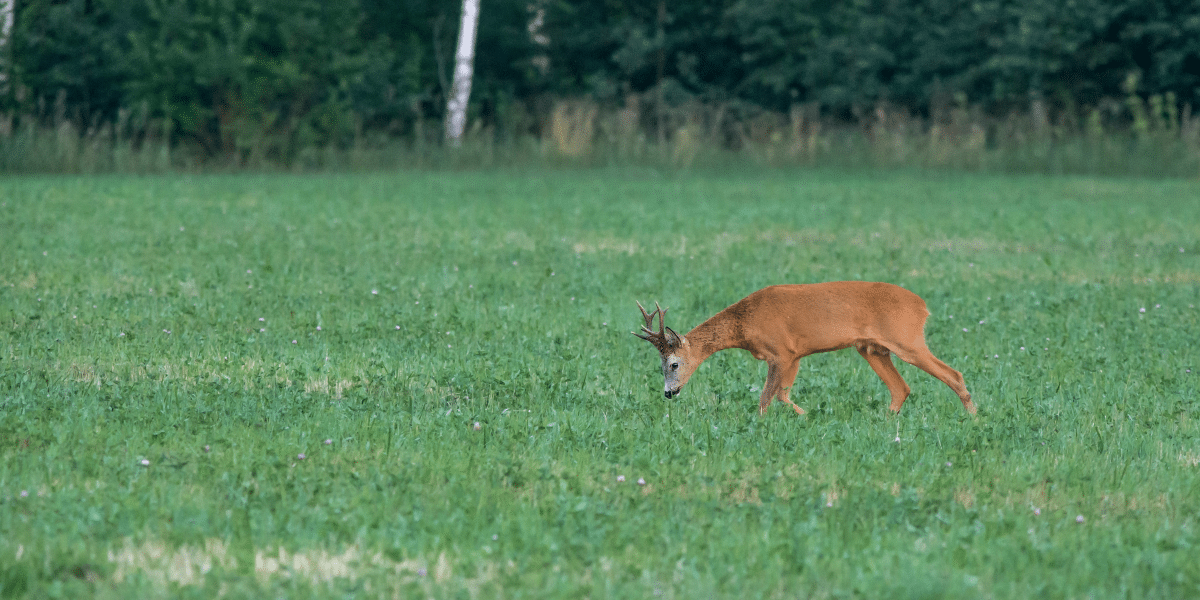
Deer hunting is an adventure filled with excitement and challenges, especially for beginners. Venturing into the wild, tracking, and ethically harvesting a deer offers a unique blend of patience, skill, and respect for nature. It’s not just about the pursuit; it’s a learning journey and connecting with the wilderness.
For those new to this experience, understanding the basics is crucial. This includes knowing the best big game caliber for your hunt, mastering the art of stealth, and respecting wildlife habitats. Safety is paramount in deer hunting. Being well-prepared with the proper knowledge and gear can make a significant difference.
This guide will equip beginners with essential tips for a successful and responsible deer hunt. We cover everything from understanding deer behavior to choosing the right equipment.
Let’s dive into the world of deer hunting and discover how to approach this age-old tradition with confidence and respect.
1. Know Your Quarry and Their Habitat
To hunt deer effectively, you must first understand them. This starts with knowing the different deer species. Each species has unique traits and behaviors. For instance, whitetail deer are known for their namesake tails, while mule deer have distinct forked antlers.
Furthermore, it’s essential to learn about their habitats. Deer thrive in various environments, from dense woods to open fields—their diet changes with the environment, influencing where you can find them.
Identifying deer signs is also important. Look for tracks, rubs, and scrapes. These signs tell you about their presence and movement patterns. Understanding these aspects is the first step to a successful hunt, allowing you to become a more skilled and knowledgeable deer hunter.
2. Selecting the Right Hunting Gear
Choosing the right gear is vital for a successful deer hunt. Your weapon, whether a bow or rifle, should be one you are comfortable with. Consider the best big game caliber for your hunting needs.
Next is your clothing. Camouflage helps you blend into the environment, while weather-appropriate clothing keeps you comfortable. Deer hunting can get cold, so layer up and always wear bright orange to be visible to other hunters.
Ensure you have a first-aid kit and understand the safety features of your gear. Proper preparation with the right equipment is key to a safe and effective hunt.
3. Mastering Hunting Techniques
Mastering hunting techniques can significantly improve your chances of success. Still, hunting involves moving quietly and slowly, observing for any signs of deer. It requires patience and stealth. You learn much about deer behavior this way.
Ambush hunting means waiting in a concealed spot, like a tree stand or ground blind. It’s more than tracking, patience, and choosing the right place. Then, there’s the art of using calls and decoys. These tools can attract deer to your location.
Use them wisely, as overuse can make deer wary. Each technique has its place, and understanding when to use them is crucial.
4. Scent Control and Wind Direction
Scent control is a crucial part of deer hunting. Deers have a strong sense of smell and can easily detect human scent. Use scent-masking sprays and scent-control clothing to reduce your smell and remain undetected by your prey.
Paying attention to wind direction is also key. Always position yourself downwind of where you expect the deer. This way, your scent is less likely to reach them, increasing the likelihood of them remaining in the area and unaware of your presence. They will likely avoid the area if the wind carries your scent towards the deer.
Mastering scent control and understanding wind direction can significantly improve your chances of a successful hunt, ensuring that you remain invisible to the keen senses of these elusive creatures.
5. Developing a Hunting Strategy
A well-planned hunting strategy can make all the difference. Start by scouting the area you plan to hunt. Look for signs of deer activity, like tracks, bedding areas, and feeding spots. Trail cameras can be an excellent tool for this.
Understanding deer behavior and movement patterns is also essential. Deer behavior can change throughout the season, so adjust your strategy accordingly.
For example, bucks are more active and less cautious during the rut. Planning your approach and adapting to the deer’s behavior increases your chances of a successful hunt.
6. Timing Your Hunt
The best times for deer hunting are early morning and late afternoon. Deer are most active during these periods, especially at dawn and dusk. Season-wise, fall is prime time, with the rut phase especially fruitful.
During the rut, bucks actively seek does, making them more visible. Understanding these patterns can significantly increase your hunting success.
Deer behavior changes throughout the season. Early in the fall, focus on areas with abundant food sources, like acorns. During the rut, concentrate near doe gathering spots. After the rut, target feeding areas again. Adapting your hunting strategy to these phases enhances your chances of success.
7. Engaging with the Hunting Community
Joining hunting forums and groups can be immensely beneficial. Experienced hunters often share valuable insights and tips. Online forums are rich with discussions on various hunting topics. Engage actively, seeking advice and learning from others’ experiences.
In these communities, don’t just take; give back by sharing your experiences. This exchange fosters a supportive environment and enhances collective knowledge. Each hunter’s journey is unique, and your insights could help others.
Participating in local hunting clubs and attending meetups can offer hands-on learning and mentorship opportunities. These interactions can introduce you to new techniques and local hunting hotspots, enriching your overall hunting experience.
Remember, the hunting community is as much about camaraderie and shared passion as it is about hunting.
8. Ethical Hunting and Field Dressing
After shooting a deer, ethical tracking is vital. If the deer is wounded, follow it patiently, looking for signs like blood trails. This respect for the animal is a hallmark of responsible hunting.
Field dressing is crucial for preserving the meat. Do it as soon as possible after the harvest. This process involves removing the deer’s internal organs, which is key to preventing meat spoilage.
Learn and follow the correct techniques for field dressing, ensuring meat quality and safety. Ultimately, ethical hunting and proper field dressing demonstrate respect for wildlife and contribute to sustainable hunting practices and the enjoyment of wholesome, high-quality venison.
9. Safety First
Safety courses are vital for all hunters, especially beginners. They teach you important safety rules and ethical hunting practices. Always follow the guidelines learned in these courses. They are designed to keep you and others safe in the wild.
Moreover, these courses often provide practical tips and scenarios, enhancing your readiness for real-world hunting situations. Always treat every firearm as if it’s loaded. Be mindful of your surroundings and where you point your gun. This is crucial not just for your safety but also for the protection of others in the vicinity.
When not in use, store your firearms safely. This prevents accidents and unauthorized use. Remember, safety should always be your top priority. By prioritizing safety, you ensure enjoyable and responsible hunting adventures.
10. Securing Legal Permissions and Understanding Regulations
Before setting foot in the woods, ensure you have the necessary permissions. Get the landowner’s written permission if you’re hunting on private land. This is both respectful and often required by law.
Familiarize yourself with the local hunting laws and seasons. Each area has specific regulations governing hunting. These include dates for deer season, legal hunting hours, and bag limits. Abiding by these rules ensures a legal and ethical hunting experience. It also shows respect for wildlife and other members of the hunting community.
It’s crucial to understand the consequences of not adhering to these regulations. Violations can result in hefty fines, loss of hunting privileges, or criminal charges. Moreover, illegal hunting practices can disrupt local ecosystems and wildlife populations.
Being well-informed and compliant with hunting laws safeguards your hunting privileges and contributes to the conservation of wildlife and their habitats. By respecting these guidelines, hunters play an essential role in maintaining the balance of nature and ensuring sustainable hunting practices for future generations.
Hunter’s Path – A Journey of Learning
Deer hunting is an enriching experience that combines skill, patience, and respect for nature. From understanding your quarry and its habitat to selecting the right gear, like the best big game caliber, each step is crucial.
Taking the time to master hunting techniques and learning the best times and seasons can significantly enhance your success rate in the field. Engaging with the hunting community offers valuable learning opportunities, allowing you to exchange knowledge and experiences with fellow hunters.
Moreover, adhering to ethical practices and proper field dressing techniques are essential parts of the hunt, ensuring a responsible and sustainable approach. Prioritizing safety by participating in safety courses and following established guidelines is vital for a fulfilling and enjoyable hunting experience.
Embrace this journey with enthusiasm and respect for the natural world. As a beginner, every hunt is a learning experience, a chance to connect with nature, and a step towards becoming a seasoned hunter.
Published by: Martin De Juan