
The Role of Biodiversity in Flavor Complexity
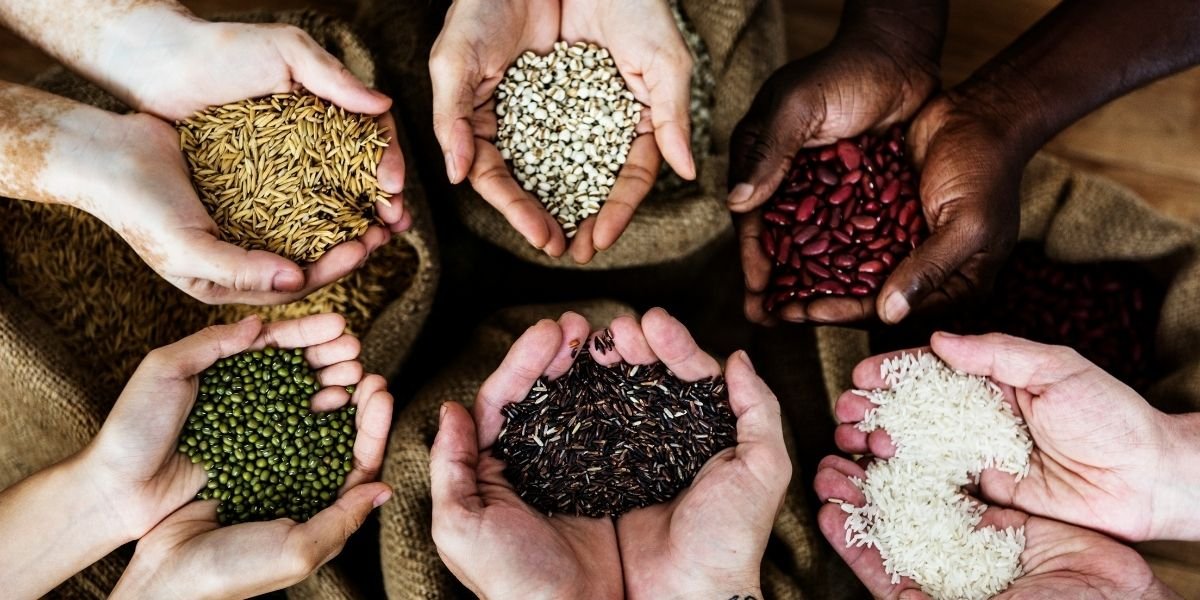
Biodiversity plays a crucial role in the richness and complexity of the flavors found in our food. As agriculture has become increasingly industrialized, there has been a loss of biodiversity, leading to a reduction in the variety of flavors that we experience. Heirloom vegetables and pasture-raised animals offer a return to the diverse ecosystems that once provided a wider range of flavors, textures, and nutrients. These more traditional farming methods, which embrace biodiversity, not only enhance the flavor profiles of food but also contribute to healthier ecosystems.
Heirloom vegetables, for instance, are varieties that have been cultivated for generations, often in smaller, local farms. These vegetables are known for their richer, more complex flavors compared to the standard varieties typically found in supermarkets. Unlike mass-produced crops, heirloom varieties are grown with an emphasis on maintaining flavor, color, and texture. The seeds of heirloom vegetables are often passed down through generations, fostering a diverse genetic pool that allows for more flavor variety and better adaptation to local growing conditions. This biodiversity enhances the taste of the produce, providing a depth and complexity that is difficult to replicate with modern, monoculture farming practices.
Similarly, pasture-raised animals, which are allowed to graze on natural vegetation and roam freely, often have richer and more varied flavors in their meat and dairy products. These animals are raised in a way that supports biodiversity in the ecosystem, as they interact with a variety of plants and microorganisms. The varied diet of pasture-raised animals results in meats and dairy that taste more nuanced, offering a broader spectrum of flavors compared to factory-farmed animals that are typically fed a more uniform diet of grains and soy. The result is meat that has a depth of flavor, more complex textures, and often a higher nutritional content.
Flavor and Nutrients: A Deeper Connection
There is a growing recognition of the connection between the flavor of food and its nutritional content. Many studies have shown that foods with more vibrant and complex flavors are often richer in essential nutrients, including antioxidants, vitamins, and minerals. This is particularly true for fruits and vegetables, where the intensity of flavor can often indicate a higher concentration of beneficial compounds.
For example, tomatoes that are grown using heirloom methods and harvested at their peak flavor tend to have more antioxidants than their mass-produced counterparts. The rich flavor of these tomatoes is often linked to a higher concentration of lycopene, an antioxidant known for its health benefits, including reducing the risk of certain cancers and promoting heart health. Similarly, flavorful fruits and vegetables, such as carrots, peppers, and berries, are often packed with additional vitamins and minerals that contribute to overall health.
This link between flavor and nutrition extends to pasture-raised meats as well. Studies have shown that grass-fed beef, for example, contains higher levels of omega-3 fatty acids, which are essential for heart health, compared to conventionally raised beef. The flavor of grass-fed beef is often described as richer and more complex, which is indicative of its higher nutritional value. The biodiversity of the grasses and plants that pasture-raised animals consume contributes to the overall health benefits of the meat they produce, while also enhancing the flavor profile.
The importance of biodiversity in the flavor and nutrient profile of food is also evident in the way different farming practices can affect soil health. Soil that is rich in organic matter and diverse microorganisms leads to healthier plants that are more flavorful and nutrient-dense. The use of chemical fertilizers and monoculture farming, on the other hand, tends to deplete the soil and limit the diversity of nutrients available to the plants, which can negatively affect both flavor and nutritional content.
The Benefits of Heirloom and Pasture-Raised Products
Heirloom vegetables and pasture-raised animals not only offer superior flavor and nutrition, but they also support more sustainable and environmentally friendly farming practices. By promoting biodiversity, these farming methods help to preserve the natural ecosystems that are vital for long-term agricultural health. When farmers embrace biodiversity, they are more likely to use crop rotation, reduce chemical inputs, and create more resilient farming systems that are better able to withstand pests, disease, and climate variability.
The growing demand for heirloom vegetables and pasture-raised meats has led to a shift in consumer preferences, encouraging a return to more sustainable food systems. As consumers become more aware of the environmental and health benefits of biodiversity, there is a growing interest in supporting local farmers and food producers who prioritize flavor, sustainability, and nutrient-dense foods.
Heirloom varieties and pasture-raised products also support local economies. By purchasing directly from small farmers or local food cooperatives, consumers can contribute to the growth of regional food systems that are less reliant on industrial-scale farming and long-distance transportation. This not only helps to preserve traditional farming practices but also reduces the environmental impact associated with the mass production and distribution of food.
The Future of Flavor: Embracing Biodiversity in Agriculture
The future of flavor lies in embracing biodiversity in agriculture. As consumers increasingly seek foods that are both flavorful and nutritious, the demand for heirloom varieties and pasture-raised products will likely continue to grow. By fostering a diverse range of crops and animal products, we can create a food system that is not only more flavorful but also healthier, more sustainable, and more resilient.
Farmers, chefs, and food producers have an important role to play in promoting biodiversity and highlighting its benefits to consumers. As more people understand the connection between the flavors of their food and its nutritional content, the industry will likely see a shift towards more diverse and nutrient-rich food choices. The resurgence of heirloom vegetables, pasture-raised animals, and other biodiversity-friendly practices is a promising sign that the future of food will be more flavorful, more sustainable, and more nourishing.