In the bustling streets of New York City, where the diversity of cultures, backgrounds, and stories intertwine, New York Undercover was born. Co-created by Kevin Arkadie, this groundbreaking show not only redefined television in the 1990s but also carved out a lasting impact on NYC’s portrayal on the small screen. Arkadie’s legacy continues to resonate with fans and television professionals alike, as the series remains a milestone in the evolution of urban drama. Let’s dive into how Arkadie helped shape TV history, leaving a permanent mark on NYC’s cultural narrative.
Kevin Arkadie: The Visionary Behind New York Undercover
Kevin Arkadie’s journey as a television producer and writer began long before New York Undercover captured the attention of audiences across the United States. With a deep understanding of New York City’s complexities and its multifaceted communities, Arkadie was driven by the desire to showcase the city’s diverse and often overlooked aspects. In a time when television was dominated by generic crime dramas, Arkadie’s vision was clear: create a show that told stories from the urban streets of New York, blending the worlds of law enforcement and personal lives in a way that was raw, real, and never before seen on mainstream TV.
Premiering in 1994 on Fox, New York Undercover broke new ground. The show focused on the lives of undercover detectives in the NYPD and, unlike many police procedurals of the era, it featured a predominantly Black and Latino cast, which was a revolutionary move in the industry. Arkadie’s show became a beacon for diversity in an era when it was all too common for shows to exclude people of color from leading roles.
New York Undercover and Its Impact on NYC TV Culture
From the very first episode, New York Undercover was not just another cop show. It was an intricate tapestry of New York City’s gritty, vibrant, and diverse culture, woven into every plotline. The show’s focus on the lives of detectives as they navigated the complexities of both their professional and personal lives set it apart from other procedural dramas. The show didn’t just show crime; it showed how those involved in law enforcement were shaped by their environments, their families, and their communities.
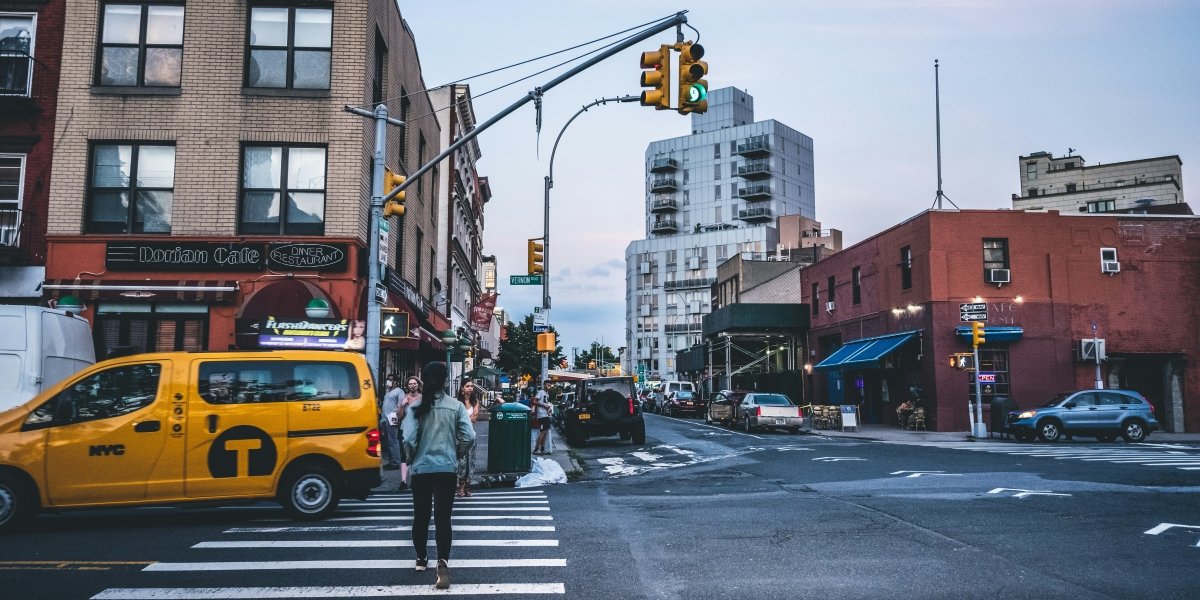
The streets of New York became as much of a character as the detectives themselves. Arkadie used locations, sounds, and even the city’s architecture to add layers of authenticity to the show. The bustling streets of Harlem, the iconic subways, and the contrasting luxury of Manhattan were all brought to life in ways that felt as real as the storylines themselves.
But beyond its cultural portrayal, New York Undercover was one of the first TV shows to tackle issues such as racial profiling, corruption, and the complex dynamics of city life. This made it not just a crime drama but a social commentary on the changing dynamics of urban America. The show spoke to New Yorkers in a way that few others could, as it reflected their experiences, struggles, and triumphs.
Breaking Boundaries: Diversity in TV
Arkadie’s work on New York Undercover helped open doors for more diverse stories on mainstream television. At a time when Black and Latino characters were often relegated to secondary roles or stereotypes, Arkadie’s commitment to featuring complex, fully developed characters of color challenged the status quo.
The show featured standout performances from stars like Malik Yoba, who played Detective J.C. Williams, and Michael DeLorenzo, who portrayed Detective Eddie Torres. Both characters became icons in the realm of TV crime drama. They weren’t just policemen—they were multi-dimensional characters dealing with love, loss, friendship, and betrayal, all while working in one of the toughest and most vibrant cities in the world.
This groundbreaking representation paved the way for other shows to feature diverse casts and explore urban culture more authentically. Arkadie’s influence is still felt in TV series today, from dramas to comedies, which now include a broader range of voices and stories.
The Legacy of New York Undercover in Modern TV
Even though New York Undercover ended in 1999, its impact on television can still be seen today. Shows like Law & Order: SVU, The Wire, and Power continue the tradition of using the city as a backdrop for complex, socially conscious stories. Arkadie’s series proved that there was an audience for urban stories that didn’t just focus on crime but explored deeper cultural and societal issues.
Today, TV networks and streaming platforms alike are increasingly recognizing the importance of telling diverse stories, and much of this shift can be traced back to Arkadie’s trailblazing work. His show changed the landscape of TV by focusing on issues that had previously been ignored, showcasing a version of New York that felt authentic and lived-in, rather than glorified.
Kevin Arkadie’s Lasting Influence on the NYC Entertainment Scene
Kevin Arkadie’s death in December 2025 marked the loss of a true pioneer in television. But even as the industry mourns, it is impossible to overlook the indelible mark he left on New York’s entertainment scene. His work paved the way for more inclusive and honest storytelling in TV, and for that, he will always be remembered as a champion of New York’s cultural diversity.
In a city where every corner has a story to tell, Arkadie made sure that the voices of those who had been historically marginalized were not only heard, but celebrated. His legacy lives on in the shows that followed, in the actors he helped shape, and in the audiences who continue to see their lives reflected on screen.
Kevin Arkadie’s New York Undercover wasn’t just a TV show—it was a movement. It’s a testament to the power of storytelling, the importance of representation, and the undeniable cultural influence that New York City has on the world of entertainment.