New York continues to operate as a central media hub where celebrities, studios, and production teams converge to shape entertainment narratives. Across Midtown Manhattan, a steady cycle of press appearances, interviews, and promotional events reflects the city’s ongoing role in connecting global audiences with film, television, and cultural releases. Recent activity involving Olivia Munn and renewed attention around projects like The Devil Wears Prada 2 illustrate how New York remains embedded in the promotional architecture of the entertainment industry.
Midtown as the Core of Media Circulation
Midtown Manhattan functions as the operational center for media visibility. Major television networks, digital media companies, and production studios are clustered within a compact geographic area, allowing for efficient scheduling of interviews and appearances. Celebrities often move between morning shows, late-night programs, podcast recordings, and editorial shoots within the same day.
This proximity reduces logistical friction. A single press day in New York can include multiple high-impact appearances, each targeting a different segment of the audience. Morning shows provide broad reach, late-night programs offer conversational depth, and digital platforms extend content into social media ecosystems.
The density of media infrastructure in Midtown creates a rhythm that is difficult to replicate elsewhere. It allows publicists and studios to coordinate tightly structured press runs that maximize exposure within limited timeframes.
Olivia Munn’s Press Run Reflects the Model
Olivia Munn’s recent press activity in New York demonstrates how this system operates in practice. Moving between studio appearances and street-level visibility, her schedule reflects a coordinated effort to maintain both media coverage and public presence.
Her appearances are not limited to formal interviews. Street style photography, candid sightings, and social media clips all contribute to a layered promotional strategy. In New York, the line between structured press and organic visibility is often blurred. A walk between studios can generate as much attention as a televised interview.
This dual exposure reinforces the city’s function as both a media platform and a cultural stage. Public space becomes part of the promotional cycle, extending the reach of traditional media formats.
Film Promotion and the Role of New York
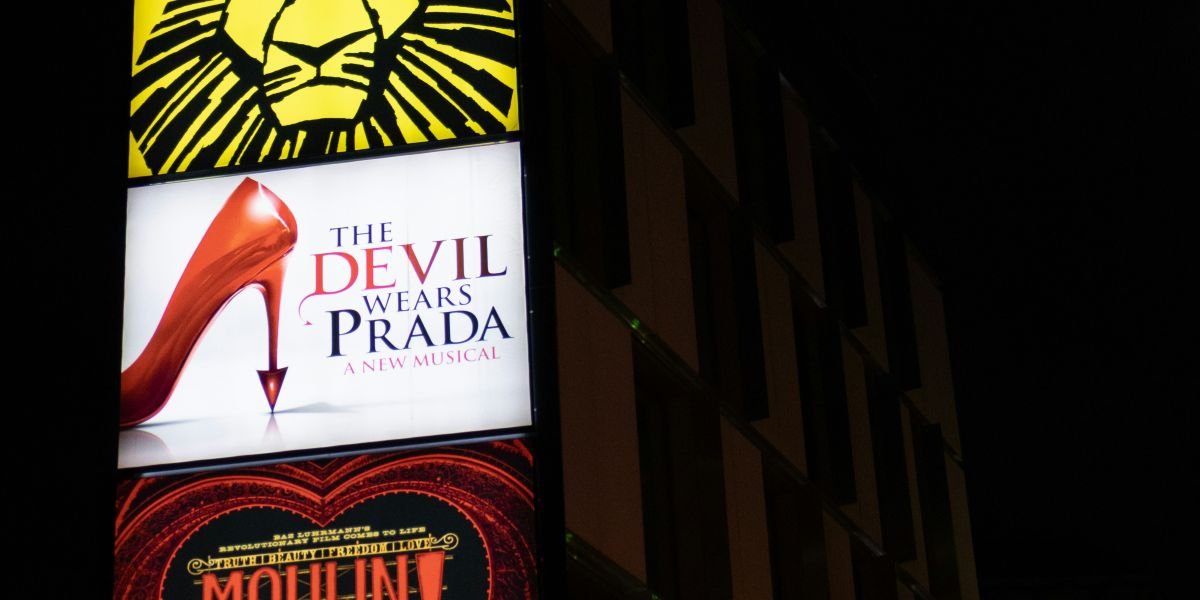
The ongoing attention surrounding The Devil Wears Prada 2 highlights another dimension of New York’s media role. Even when premieres occur in other cities, New York remains central to the narrative-building phase of film promotion.
Studios rely on the city’s media ecosystem to frame how audiences interpret upcoming releases. Interviews conducted in New York often set the tone for broader coverage, influencing headlines, social media discussions, and audience expectations.
This process is particularly relevant for films connected to fashion, publishing, or urban culture. New York provides contextual alignment, reinforcing thematic elements through location. In the case of The Devil Wears Prada 2, the city’s association with fashion media adds an additional layer of relevance to its promotional cycle.
The Structure of a Modern Press Run
A contemporary press run in New York follows a structured yet flexible format. It typically includes:
- Morning television appearances targeting national audiences
- Late-night interviews offering extended conversation
- Digital media segments designed for online distribution
- Editorial photoshoots for magazines and lifestyle platforms
- Social media activations tied to real-time engagement
Each component serves a specific function, but together they create a cohesive narrative. The goal is not only to promote a project but to position the celebrity within a broader cultural conversation.
New York’s infrastructure supports this multi-platform approach. The city’s media organizations operate across television, print, and digital channels, allowing for integrated campaigns that reach diverse audiences.
Street Visibility as Media Currency
In New York, street visibility functions as an extension of formal media. Paparazzi photography, fan interactions, and influencer reposts contribute to the circulation of celebrity imagery.
This form of exposure operates continuously. Unlike scheduled interviews, street-level visibility can occur at any moment, creating a constant stream of content. For publicists, this represents both an opportunity and a variable to manage.
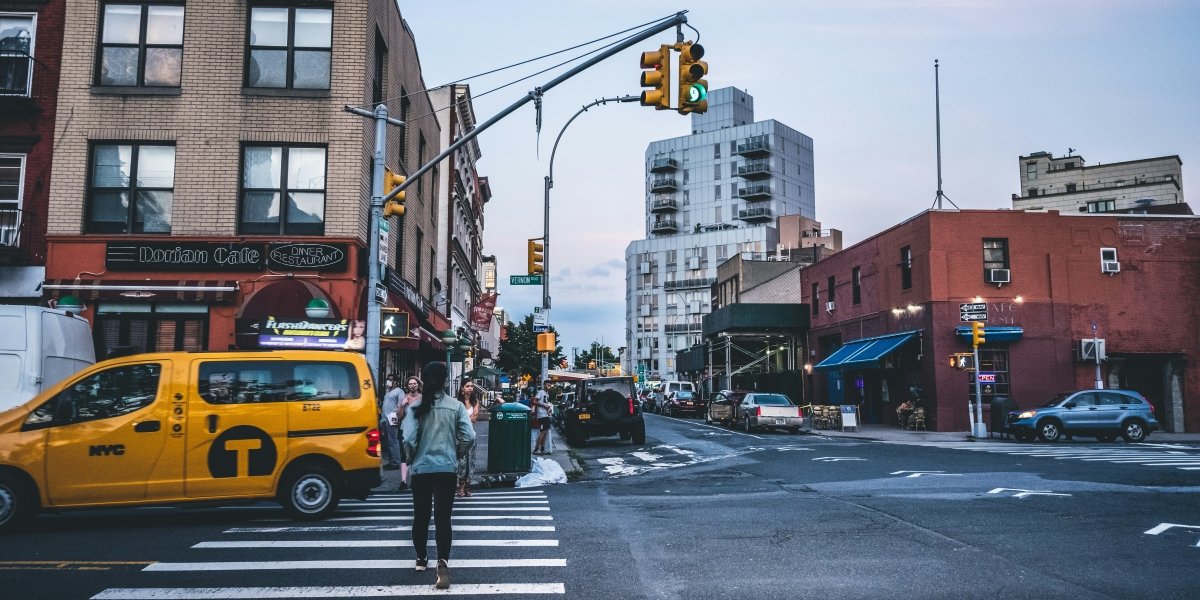
The city’s density amplifies this effect. High foot traffic areas such as Times Square, SoHo, and Midtown increase the likelihood of spontaneous encounters. These moments often translate into viral content, extending the reach of a press run beyond its planned components.
Why Studios Continue to Prioritize New York
Despite the global nature of the entertainment industry, New York maintains a specific advantage in media coordination. Several factors contribute to this:
First, the concentration of legacy media institutions provides access to established audiences. Networks, newspapers, and magazines based in New York continue to shape public discourse.
Second, the city’s cultural diversity allows campaigns to resonate across multiple demographics. Content produced in New York often carries a level of universality that translates well internationally.
Third, the integration of digital and traditional media within the same environment enables synchronized messaging. A single appearance can generate coverage across television broadcasts, online articles, and social platforms simultaneously.
These factors make New York a consistent choice for studios planning promotional campaigns.
The Interaction Between Fashion and Media
New York’s media role is closely linked to its position within the fashion industry. Celebrity press runs often intersect with fashion coverage, creating additional layers of visibility.
Wardrobe choices during press appearances are analyzed, photographed, and distributed across fashion media channels. This creates a secondary narrative that complements the primary promotional message.
For projects like The Devil Wears Prada 2, this interaction becomes particularly relevant. Fashion is not only part of the film’s subject matter but also part of its promotional strategy. New York provides the appropriate setting for this overlap, with its established fashion media infrastructure.
Digital Amplification and Real-Time Coverage
The pace of media in New York is reinforced by digital amplification. Interviews, appearances, and street moments are quickly disseminated through social media platforms, extending their lifespan and reach.
Clips from television appearances are shared within minutes. Photographs circulate across fashion and entertainment accounts. Influencers and commentators add layers of interpretation, creating ongoing engagement.
This real-time distribution transforms press runs into continuous events rather than isolated moments. New York’s media environment is structured to support this immediacy, with organizations equipped to produce and distribute content rapidly.
A Continuous Cycle of Cultural Production
The flow of celebrity activity through New York reflects a broader cycle of cultural production. As one project completes its promotional phase, another enters the pipeline. This creates a constant presence of media activity within the city.
Midtown studios, hotel conference rooms, and public spaces function as nodes within this cycle. Each location contributes to the generation and distribution of content.
This continuity reinforces New York’s position within the entertainment industry. The city is not defined by a single event or production but by the ongoing accumulation of media interactions.
Conclusion
New York’s role as a central media hub remains evident through the steady movement of celebrities, press teams, and production crews across Midtown. Olivia Munn’s recent press run and the sustained attention surrounding The Devil Wears Prada 2 illustrate how the city continues to support and shape entertainment narratives.
The combination of dense media infrastructure, street-level visibility, and digital amplification creates an environment where promotional campaigns can operate efficiently and effectively. New York provides both the platform and the context needed to connect projects with global audiences.
As the entertainment industry continues to evolve, the city’s function within it remains consistent. New York serves as a space where media, culture, and public attention intersect, sustaining its role in the ongoing cycle of storytelling and promotion.