Fashion editors in Manhattan are stepping back from the seasonless fashion New York movement after years of championing capsule wardrobes and year-round pieces. The model promised liberation from seasonal shopping cycles, but the city’s humid summers and icy winters expose its limits. The thesis: seasonless dressing works beautifully in theory but collapses under the weight of actual weather, body temperature regulation, and the professional demands of an industry that still runs on a twice-yearly rhythm.
Key Takeaways
- Fashion editors in Manhattan are moving away from seasonless wardrobes after finding that year-round pieces fail to handle the city’s temperature extremes, from 90-degree August humidity to sub-20-degree January wind chill.
- The fashion industry’s twice-yearly calendar for showrooms and presentations reinforces seasonal boundaries, making off-season dressing appear out of touch rather than forward-thinking.
- Editors are now building smaller seasonal rotations of climate-appropriate clothing rather than pursuing a single wardrobe meant to span all twelve months.
- Human thermoregulation demands different fabric weights and structures for heat and cold, exposing the limitations of synthetic blends marketed as seasonless.
- The sustainability argument for fewer, better pieces remains valid, but durability and climate appropriateness now outweigh theoretical year-round versatility.
What Does Seasonless Fashion Actually Mean?
Seasonless fashion describes clothing designed to function across multiple climates and occasions without regard to traditional spring, summer, fall, and winter categories. Proponents envisioned lightweight wool trousers, silk-blend knits, and structured cotton blazers that could anchor a wardrobe from January through December. The appeal lay in reducing consumption, simplifying choice, and sidestepping the churn of trend cycles.
The concept gained traction as sustainability concerns grew and direct-to-consumer brands marketed year-round essentials. Designers experimented with breathable merino, temperature-regulating fabrics, and layering systems meant to adapt to fluctuating conditions. For a time, the fashion press celebrated these efforts as both practical and ethical.
But the reality of wearing the same trench coat in July and February proved less elegant than the editorial spreads suggested. Sweat, shivering, and the constant mental math of layering revealed that one size fits all seasons often fits none of them well.
Why Is New York’s Climate Particularly Hostile to the Concept?
Manhattan’s temperature swings make year-round dressing genuinely uncomfortable. August afternoons on subway platforms regularly exceed 90 degrees with high humidity, while January mornings can drop below 20 degrees with wind chill. A blazer suitable for one season becomes a liability in the other.
The city’s infrastructure compounds the problem. Overheated subway cars in winter and frigid air conditioning in summer mean any outfit must handle extreme indoor-outdoor transitions multiple times a day. A seasonless wardrobe assumes stable, moderate conditions that New York rarely provides.

Fashion editors, who spend hours commuting to showrooms, standing at presentations, and attending events across boroughs, felt the friction first. The lightweight wool trousers that looked sharp in September became clammy by mid-July. The breathable knit that worked in May turned inadequate by December. Practicality won.
How Do Professional Expectations Reinforce Seasonal Boundaries?
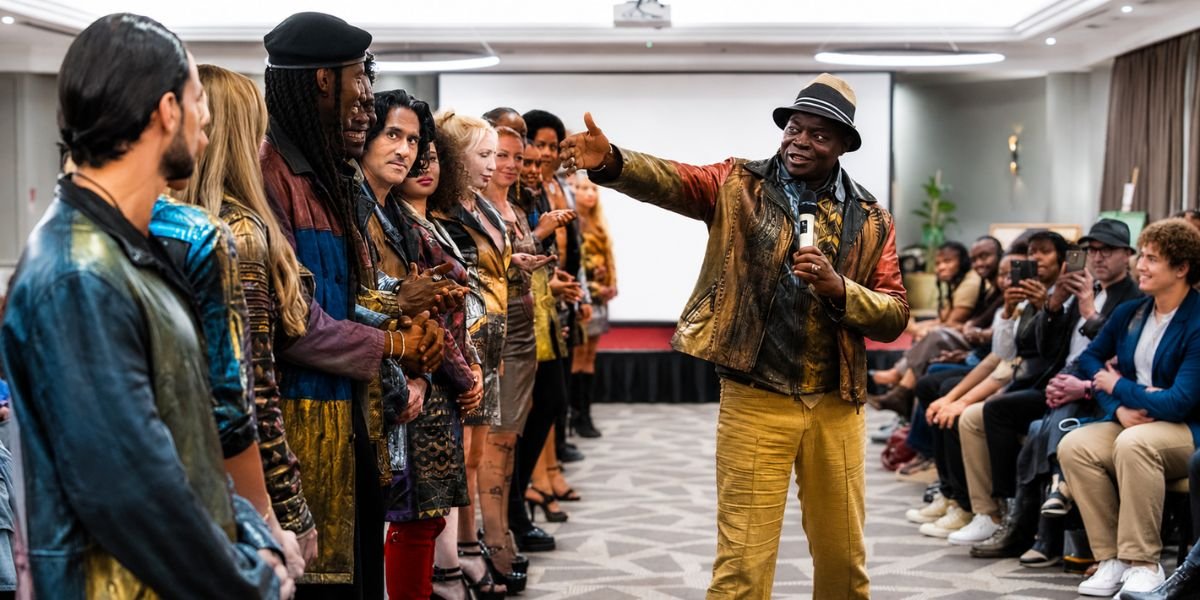
The fashion calendar itself imposes seasonal thinking. Showrooms preview spring collections in early fall and winter lines in late spring, creating a rhythm that editors, stylists, and buyers must follow. Arriving at a February presentation in linen or a July fitting in heavy knit sends an unintended signal about awareness and engagement with the industry’s timing.
Voyage New York has documented how Manhattan’s fashion professionals navigate these expectations, balancing personal style with professional legibility. Dressing out of sync with the season can read as a mistake rather than a statement, particularly in spaces where subtle cues carry weight.
Trade shows, market weeks, and fashion week itself cluster around seasonal transitions, reinforcing the division. The industry’s infrastructure remains stubbornly seasonal even as individual brands experiment with off-calendar releases. Editors found themselves maintaining two wardrobes despite their philosophical commitment to fewer, better pieces.
What Role Does Body Temperature Regulation Play?
Human thermoregulation doesn’t accommodate a single fabric weight for all conditions. Natural fibers like cotton and linen excel in heat because they wick moisture and allow airflow, but they provide little insulation when temperatures drop. Wool insulates well but traps heat when the mercury rises.
Synthetic blends marketed as seasonless often compromise on both ends. They may handle moderate temperatures adequately but fail under extreme conditions. A ponte-knit dress that works in a climate-controlled office becomes stifling on a crowded M train during a heat wave.
Fashion editors who tested seasonless wardrobes reported constant discomfort. They layered aggressively in winter, creating bulk that felt at odds with the streamlined aesthetic seasonless dressing promised. In summer, they overheated in fabrics too structured to breathe. The body’s needs proved more insistent than the wardrobe philosophy.
How Are Editors Adjusting Their Approach Now?
The shift isn’t a wholesale rejection of thoughtful consumption but a recalibration toward climate-appropriate minimalism. Editors are building smaller seasonal rotations rather than pursuing a single year-round wardrobe. The focus has moved to versatile pieces within each season rather than across all of them.
A summer edit might include lightweight cotton shirting, linen trousers, and breathable knits, while winter leans on wool coats, cashmere layers, and insulated boots. The principle of buying less and choosing carefully remains, but the expectation that one garment can serve December and July has faded.
Storage becomes part of the strategy. Off-season clothing rotates into closets and drawers rather than occupying prime real estate year-round. This approach acknowledges that New York’s climate demands adaptation rather than resistance.
What Does This Mean for the Broader Sustainability Conversation?
The retreat from seasonless dressing doesn’t undermine sustainability so much as refine it. The environmental case for buying fewer, higher-quality items still holds. The mistake was conflating that principle with the idea that those items could ignore climate.
A wardrobe designed for local conditions and worn thoroughly over many years may be more sustainable than a seasonless collection that gets abandoned because it never quite works. Durability and appropriateness matter more than theoretical versatility.
The fashion industry’s twice-yearly cycle won’t disappear, but the emphasis on hyper-trend-driven turnover has softened. Editors are advocating for well-made seasonal staples rather than either fast fashion or overhyped seasonless solutions. The conversation has matured past binaries.
FAQs
Can Any Fabrics Truly Work Across All Four Seasons in New York?
No single fabric handles New York’s extremes well. Lightweight merino and certain synthetic blends manage moderate temperatures but become uncomfortable in deep winter cold or summer heat. Natural fibers like cotton, linen, and wool perform best when matched to the season they’re designed for.
Is Seasonless Dressing More Practical in Other Cities?
Cities with milder, more stable climates like Los Angeles or San Francisco can support seasonless wardrobes more easily. New York’s dramatic temperature swings and humidity variations make year-round dressing significantly harder. Geography matters more than marketing suggests.
Does Rejecting Seasonless Fashion Mean Buying More Clothes?
Not necessarily. Building two smaller seasonal wardrobes of high-quality, versatile pieces can still mean fewer total garments than chasing trends every few months. The key is durability and appropriateness rather than volume.
How Do Fashion Editors Store Off-season Clothing?
Most rotate seasonal pieces into storage bins, under-bed drawers, or back closet space rather than keeping everything accessible year-round. This approach frees up daily wardrobe space and acknowledges that not every garment needs to be at hand in every month.
Are Brands Still Designing Seasonless Collections?
Some brands continue to market seasonless lines, but the emphasis has shifted toward versatile seasonal pieces rather than true year-round garments. The language has softened from ‘wear this January through December’ to ‘anchor your spring wardrobe’ or ‘winter essentials.’
What Does Climate-appropriate Minimalism Look Like in Practice?
It means owning fewer high-quality items within each season rather than pursuing a single year-round wardrobe. A summer rotation might include lightweight cotton and linen, while winter leans on wool and insulated layers. The principle of thoughtful consumption remains, but the expectation of universal versatility is gone.
The promise of a wardrobe free from seasonal constraints remains appealing in principle, but Manhattan’s editors have learned that ignoring the thermometer only works until the next heatwave or cold snap. The smarter question isn’t whether clothes can cross all seasons, but whether they’re worth wearing hard through the one they’re made for.