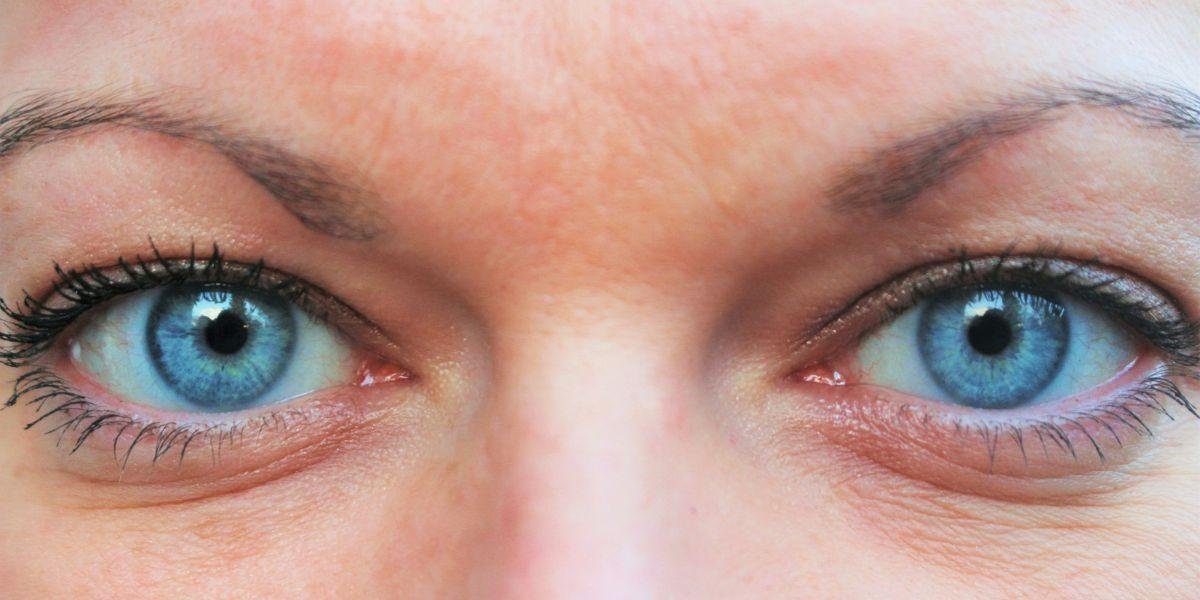
To reduce eye bags and dark circles, start by understanding what causes them. Cold compresses, better sleep, and skincare products can help reduce mild swelling and discoloration.
Still, genetics, aging, allergies, and facial structure may cause changes that need professional care. The right approach depends on whether your main concern is puffiness, dark pigmentation, or volume loss beneath your eyes.
Key Takeaways
• Eye bags and dark circles can result from genetics, aging, allergies, lack of sleep, and changes in facial structure.
• Cold compresses, better sleep, sunscreen, and targeted skincare can help reduce mild puffiness and discoloration.
• Professional options for treating dark under-eye circles include chemical peels, laser treatments, and fillers, depending on the underlying cause.
• Eyelid surgery may provide longer-lasting results for persistent bags caused by fat deposits or loose skin, but it does not directly treat pigmentation.
What Causes Eye Bags and Dark Circles?
Eye bags and dark circles often appear together, but they have different causes. Eye bags usually form when fluid builds up or fat shifts forward beneath the lower eyelids. Dark circles under the eyes may develop because of skin pigmentation, visible blood vessels, or shadows from hollow areas.
Common causes include:
• Genetics and aging, which affect skin thickness, fat placement, and natural pigmentation.
• Lack of sleep, which can make existing shadows and blood vessels more noticeable.
• Allergies, which may cause swelling, itching, and frequent eye rubbing.
• Sun exposure, which can increase pigment production and worsen discoloration.
• Lifestyle factors, including smoking, dehydration, and high salt intake.
The skin around the eyes is thinner than the skin on most other parts of your face. As you age, this area may lose firmness and volume, making shadows more visible. Hollow tear troughs can also make the area look darker without any actual change in skin color.
How to Get Rid of Dark Circles Naturally
If you want to get rid of dark circles, start with simple daily habits. Some home remedies can help improve mild swelling and make tired eyes look more refreshed. Their results depend on whether your concerns come from fluid buildup, pigmentation, or natural facial structure.
Home Remedies for Eye Bags and Puffiness
Several simple changes can help reduce eyelid puffiness, especially in the morning. These methods focus on limiting fluid buildup and improving daily habits rather than changing facial anatomy.
• Try applying a cold compress for 5–10 minutes using a clean, cool cloth.
• Sleep with extra pillows to keep your head slightly raised during the night.
• Aim for seven to nine hours of sleep each night.
• Limit salty foods when fluid retention contributes to morning swelling.
These steps may improve puffy eyes caused by temporary swelling or poor sleep. They cannot remove fat deposits or tighten loose skin beneath the eyelids. If swelling continues despite these changes, a medical evaluation may help identify the cause.
Skincare Ingredients That May Improve Dark Circles
Certain eye creams can improve hydration, uneven skin tone, and mild puffiness. Caffeine may temporarily reduce swelling, while vitamin C and niacinamide can help improve some types of pigmentation. Retinoids may also help reduce the appearance of fine lines, but they should be used cautiously around the eyes.
For anyone researching how to reduce dark circles under the eyes, daily sunscreen is another useful step. Choose a broad-spectrum SPF 30 or higher sunscreen that is suitable for sensitive facial skin. Regular protection helps prevent further pigmentation, although it cannot correct shadows caused by facial structure.
Professional Treatments for Eye Bags and Dark Circles
When daily care does not provide enough improvement, professional treatments may offer other options. These treatments can target pigmentation, hollow areas, loose skin, or fat deposits beneath the eyes. A dermatologist or facial plastic surgeon can help determine which treatment ideally addresses your concerns.
Non-Surgical Treatment Options
Several non-surgical treatments can address different causes of dark under-eye circles. The ideal choice depends on skin condition, facial anatomy, and the main cause of discoloration.
• Chemical peels may improve certain types of pigmentation when performed by trained professionals.
• Laser treatments can address selected pigment changes, visible vessels, and uneven skin texture.
• Hyaluronic acid fillers may soften shadows caused by volume loss in suitable patients.
These procedures have limitations and require careful planning because the eyelid area is sensitive. Fillers may cause swelling or uneven results and, in rare cases, serious blood vessel complications, including vision loss.
Your specialist should explain the expected benefits, possible risks, and other available options before treatment.
Eyelid Surgery for Persistent Under-Eye Bags
When fat deposits or loose skin cause lasting bags, eyelid surgery may provide longer-term improvement. Lower blepharoplasty can remove or reposition fat and address selected skin concerns beneath the eyes. This type of plastic surgery does not directly correct dark pigmentation caused by allergies or increased melanin.
During a consultation, Dr. Joel Kopelman, a facial plastic surgeon, can examine your eyelids and discuss suitable treatment options. This evaluation helps determine whether your concerns are related to skin changes, facial structure, or both.
It also allows you to discuss recovery, possible complications, and the results you can reasonably expect.
How to Prevent Eye Bags and Dark Circles
Prevention starts with daily habits that protect the delicate eye area and limit avoidable irritation. While you can’t control genetics or aging, proper skincare may help reduce certain signs of swelling and discoloration. Small changes can also support healthier skin over time.
Avoid rubbing your eyes, especially when allergies cause itching or irritation. Follow a regular sleep schedule, manage allergies, and protect your face from sunlight each day. Gentle cleansing and moisturizing can also help maintain the skin barrier and reduce dryness.
When Should You See a Specialist?
Persistent infraorbital dark circles may need professional evaluation when home care and skincare produce little improvement. A dermatologist can check for pigmentation problems, skin irritation, or conditions that may need medical treatment.
Sudden swelling, pain, vision changes, or symptoms affecting only one eye should receive prompt medical attention.
The ideal way to treat dark circles is to address the specific cause rather than rely on one solution. Daily care may reduce temporary puffiness, while deeper shadows or fat deposits may need specialized treatment. A professional assessment can help you choose an appropriate approach and set realistic expectations.
Disclaimer: This article is for general informational and educational purposes only and does not constitute medical advice, diagnosis, or treatment. Individual results and treatment suitability vary depending on a person’s health, skin condition, anatomy, and other factors. Anyone considering skincare products, cosmetic procedures, or medical treatment should consult with a qualified healthcare professional for advice based on their individual circumstances.