By Nik Korba
When people go searching for a “good clean protein powder,” they are often trying to address a common side effect: constipation. By avoiding certain ingredients, they anticipate getting all of the benefits of protein powder without digestive discomfort. But Josh Malin, co-founder and head formulator of RISE311, explains that the relationship between protein and constipation is one that is easily misunderstood.
“The constipation many people experience when they start increasing their protein is rarely caused directly by the protein shakes or powders they’re using,” Malin says. “The small intestines absorb 90 to 97% of protein from powders or other protein sources before it reaches the colon, which is where constipation occurs.”
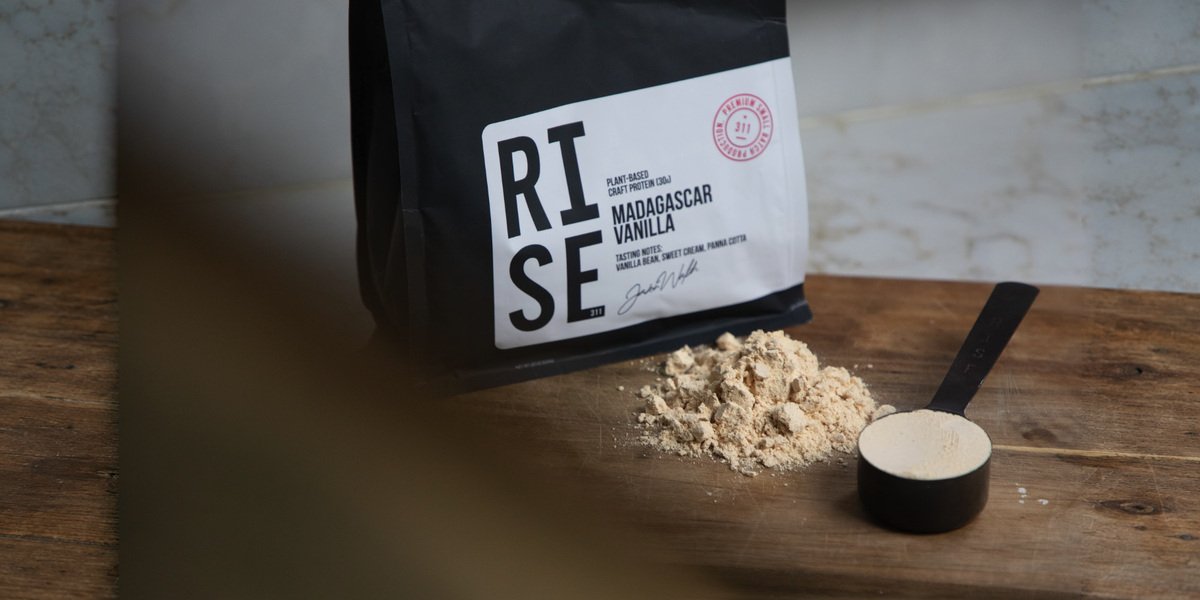
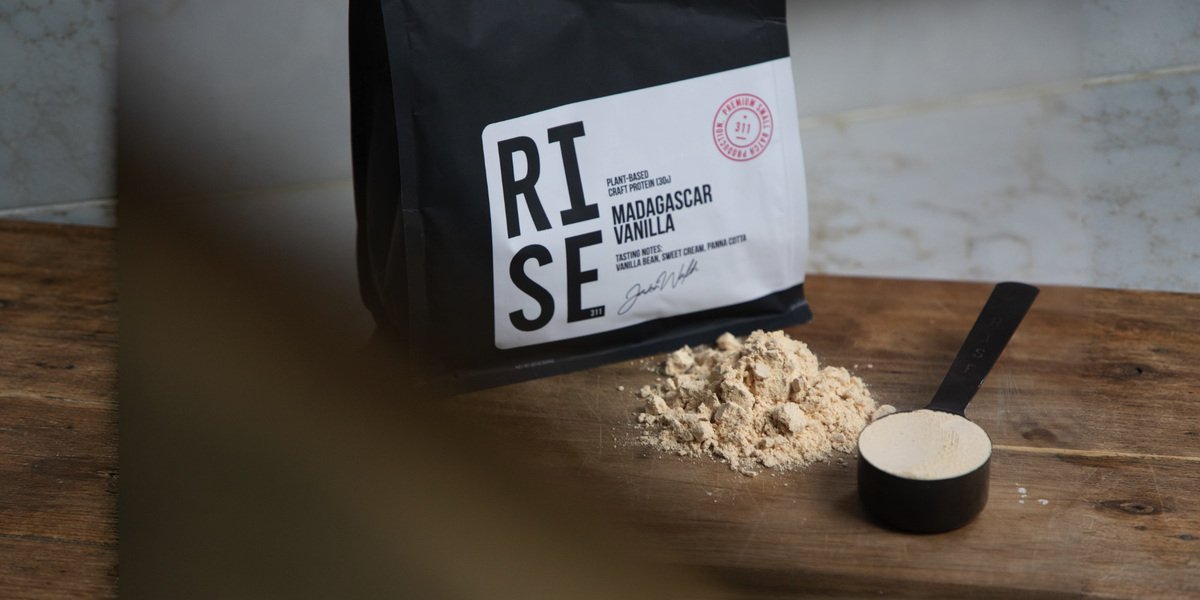
When Malin co-founded RISE311 with celebrity trainer Jason Walsh, their primary goal was developing a complete plant-based protein that’s easily digestible, environmentally responsible, and uncompromising on taste, texture, and quality. After rejecting the first 310 attempts, they arrived at a plant-based protein powder that stands out for its remarkable digestibility while having a protein profile as complete as standard animal-based whey protein powders.
“There are some ingredients you want to avoid, things like cheap gums and sweeteners, that can mimic the feelings of constipation by causing gas and bloating,” Malin says. “But constipation usually occurs as you start adding more grams of protein because you’re cutting back on fiber and water to make room in your diet.”
How do the proteins in protein powders actually impact digestion?
Malin says it’s easy to target protein as the problem when one’s gut starts acting up, especially when problems start soon after adjusting the protein content of their diet. Because their protein is the one thing they changed, it becomes the obvious suspect.
“You may be feeling gas and bloating due to your increased protein intake, which can mimic the feelings of constipation,” Malin says. “The lactose in whey concentrate causes gas for some people. And plant flours used in vegan protein powders contain oligosaccharides, which are fibers that also produce gas. When those impact you, it makes your gut feel tight and ‘heavy,’ which can easily be misread as constipation.”
According to Malin, some things people can expect to experience in terms of gut comfort from some of the most common protein sources include:
- Whey protein concentrate contains lactose, so it can trigger gas and bloating — symptoms that mimic constipation — for those who don’t fully digest it.
- Whey protein isolate contains a trace amount of lactose, so it is a low risk for digestive problems.
- Plant protein concentrate, including soy and pea protein, has no lactose but contains oligosaccharide fibers that ferment into gas.
- Plant protein isolate, the gentlest option for gut impact, carries a lower risk of uncomfortable digestive symptoms.
What ingredients should you avoid when looking for a clean protein powder?
Beyond the protein, gums are the first ingredients to watch out for to avoid digestive issues. If the powder includes cheap gum, it can ferment into gas or irritate the gut lining.
“Acacia gum, also sometimes called gum arabic, is what you want to see on the label,” Malin advises. “It actually feeds your good gut bacteria, which helps you to avoid the gas others can cause. But finding a protein powder that uses it is rare, because it costs about 15 times more than the alternatives.”
RISE311 uses only acacia gum sourced naturally from acacia trees in tropical Africa. It’s an ingredient that not only helps to avoid digestive disturbances but also contributes to a smooth consistency and mouthfeel when used in a protein drink.
Malin offers the following warnings about other gums commonly used in protein powders:
- Guar gum: Gut bacteria typically ferment this soluble fiber quickly, creating gas as a by-product.
- Xanthan Gum: This can act as a laxative, but not in the amounts typically included in protein powders.
- Cellulose gum (CMC), Carrageenan, & Polysorbate-80: These act as emulsifiers with the potential to disrupt the gut’s protective mucus layer and cause low-grade inflammation, making them ingredients that should definitely be avoided.
Sweeteners are another ingredient that can lead to digestive problems. Because sugar alcohols are often poorly absorbed, they can pull water into the gut, leading to loose stools, and feed gas-producing bacteria, leading to bloating. To avoid those problems, pass on protein powders that use sweeteners such as sorbitol, maltitol, mannitol, or xylitol.
RISE311 is sweetened with Reb-M stevia, the highest-quality stevia extract available. The sweetener gives RISE311 an incredibly nuanced, delectable flavor profile without any other added sugars or chemicals.
Why the cleanest protein won’t necessarily fix your digestive issues
As people search for “clean” protein powders, Google may lead them to studies focused on contaminants rather than ingredients. They also may find reviews promoting certified organic products or grass-fed whey protein as the best protein powders for avoiding problems. But relying on those products won’t necessarily address the issues that can arise from the bad ingredients presented above.
“A powder given a ‘clean’ award by the Clean Label Project or other initiative can still have low-quality ingredients or gut-irritating gums and sugars,” Malin says, “which means they can still lead to digestive problems. To stay safe, you need to go deeper than clean ingredients and use a high-quality powder as part of a regimen that includes the right balance of protein, fiber, and water.”