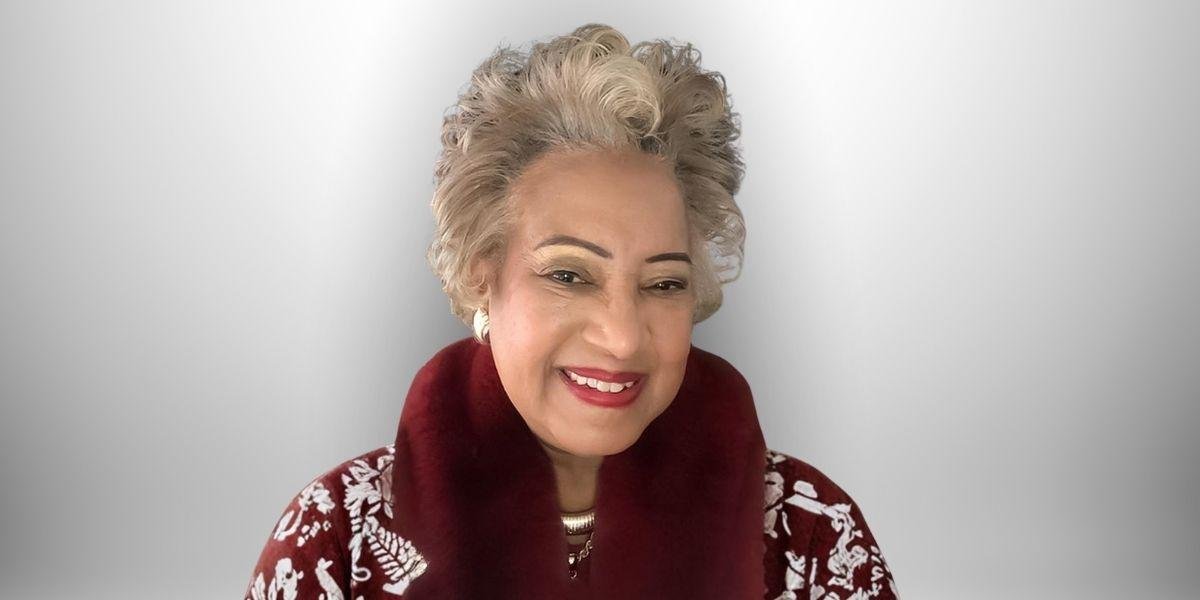
By: Diane Grannum, Lincoln Media Inc.
When New York City undertook the ambitious expansion of Universal Pre-Kindergarten (UPK), Diane F. Grannum was at the center of the effort. Over more than three decades in public education, she rose from assistant teacher to Director of Early Childhood Education for Region 9, overseeing one of the city’s most diverse school populations. Her career coincided with the development and implementation of a program that has become a model for early learning nationwide.
Born in Peekskill, New York, Grannum earned three degrees in Liberal Arts, Special Education, and Supervision & Administration. Her educational background shaped her approach to leadership in one of the most complex public school systems in the United States, where equity, language diversity, and developmental needs intersected daily in classrooms serving children as young as three and four.
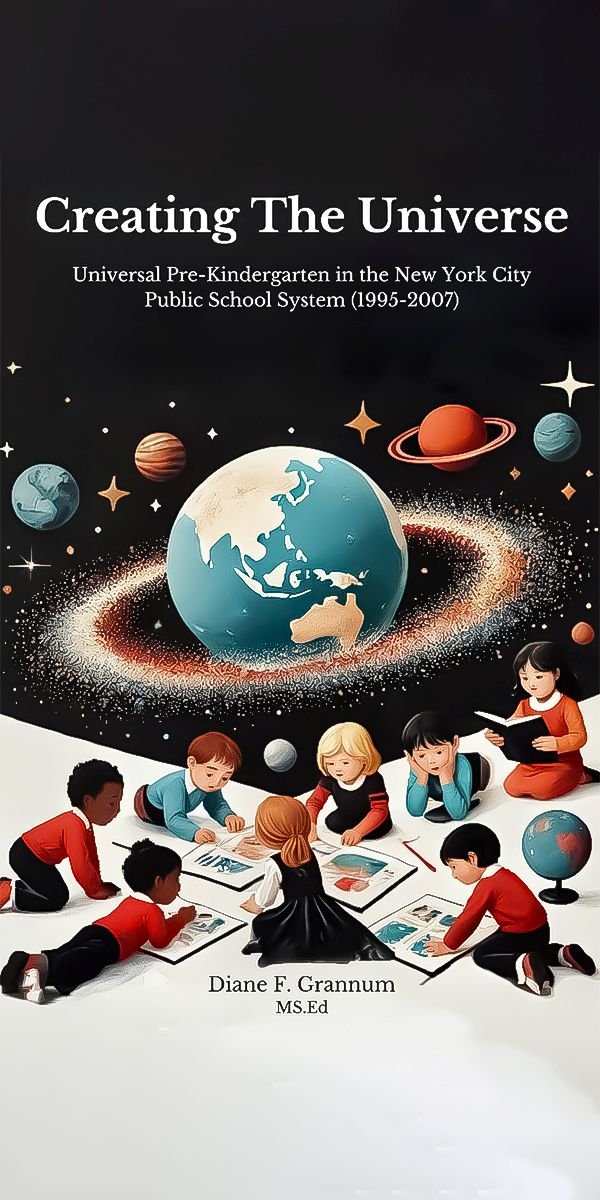
Today, she reflects on that period in her first book, Creating the Universe: Universal Pre-K in the New York City Public School System (1995–2007). The book chronicles the citywide effort to expand early learning programs, offering an insider’s view of the challenges and successes of implementing UPK across 10 regions and 32 districts.
Serving a City of Many Needs
Region 9, where Grannum worked, represented some of New York City’s most diverse neighborhoods. Students arrived from families speaking dozens of languages, with differing cultural norms and a wide range of developmental needs. Many children faced economic hardship, developmental delays, or learning differences that required targeted support.
Grannum’s experience in special education informed her approach. She emphasized inclusion, ensuring that classrooms were equipped to meet children where they were rather than expecting uniform readiness. Under her guidance, programs incorporated speech therapy, social-emotional learning, and collaborative interventions, making sure every child had access to high-quality early education.
“Early childhood is a critical window,” Grannum has said. “It’s when children acquire language most naturally, form social bonds, and begin building emotional regulation that will affect the rest of their lives. Quality programs can make a measurable difference for children who might otherwise fall behind.”
Her leadership focused not only on children but also on the adults who support them. Teachers received enhanced training in developmental theory, culturally responsive practices, and strategies for engaging families. Community-based organizations and school districts were encouraged to coordinate closely, creating a safety net that extended beyond the classroom.
Coordinating a “Miracle”
Implementing UPK in a city as large and complex as New York required unprecedented coordination. Policies developed at the Department of Education had to be translated into curricula, teacher training, transportation schedules, meals, and individualized services for children with special needs.
Grannum recalls the process as both challenging and inspiring. Educators across districts often exceeded their formal responsibilities, collaborating to ensure that children received consistent, high-quality learning experiences. Partnerships among teachers, social workers, speech therapists, and administrators became routine, enabling the system to respond efficiently to diverse student needs.
“It was a miracle of coordination,” Grannum said of the expansion. “It was humbling to be part of something that impacted so many children and families, particularly those with significant needs. I felt it was a story people should know.”
A Mission Put to Paper
The idea to document her experiences arose years after Grannum retired in 2007. While on vacation in Las Vegas, she began outlining her memories of UPK’s development. The prospect that early childhood programs could face defunding motivated her to act.
“I was angry,” she said. “But that anger became my drive. I realized these programs, and the work behind them, needed to be documented.”
She found a 30-day online writing challenge advertised by email and decided to participate. Despite having spent decades writing grants and technical reports, this was her first personal narrative. She completed the manuscript within a month, creating a book that combines historical record, practical guidance, and reflection on the importance of equity in early education.
A Second Career, The Same Mission
Retirement from the Department of Education did not slow Grannum’s commitment to service. For the past 17 years, she has worked as a Realtor with EXIT Realty, producing customized guides for clients working through the complex buying and selling process. She views this work as a continuation of her lifelong goal: helping people access critical information and opportunities.
Her personal interests remain wide-ranging. A lifelong student of astrology, following in the footsteps of her mother and grandmother, she also enjoys science fiction, mythology, and the Marvel Universe. She often writes between midnight and 3 a.m., when the world is quiet and her focus sharpest.
Grannum’s account comes at a time when early childhood education continues to face debates over funding and access. Her work shows that large-scale reform is possible when policy, professional preparation, and community coordination align. More importantly, it shows how programs designed with diversity and developmental needs in mind can level the playing field for children who start life at a disadvantage.
“Equity is not just a concept,” she says. “It’s about intentional structures, trained educators, and collaboration. It’s about making sure children who face the greatest obstacles have the greatest opportunities.”
Creating the Universe is not only a record of administrative accomplishment but a reminder of the human stakes. The children whose first classroom experiences are meaningful, supported, and inclusive are the ones who carry the benefits forward, academically and socially, for the rest of their lives.
Grannum’s story is one of vision, dedication, and the quiet work of transforming opportunity in a city where needs are vast, and resources must be stretched carefully. It is a story of what happens when educators meet children where they are and build a system that helps every child thrive.
Read Creating the Universe on Amazon.
For more information: