Embarking on a road trip can be an exhilarating adventure filled with scenic views and memorable experiences. However, ensuring your vehicle is in optimal condition before hitting the road is crucial for a safe and smooth journey. Explore these essential car maintenance tips to consider before embarking on your next trip, ensuring a smooth and worry-free journey.
Check Fluid Levels
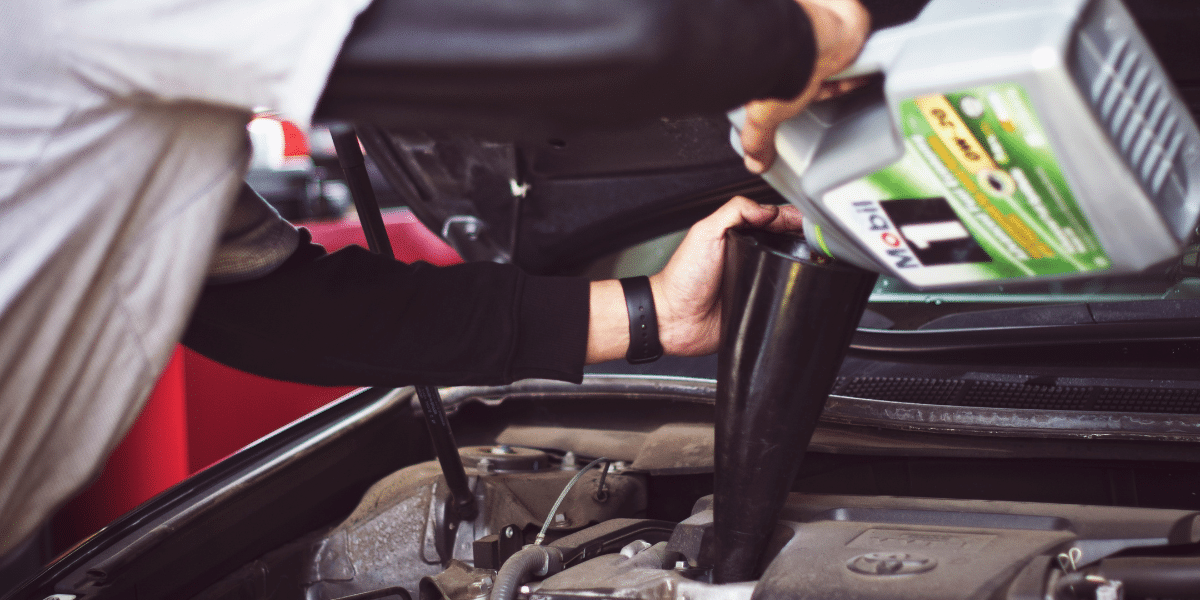
Before setting off, it’s essential to check the levels of vital fluids in your car, including engine oil, coolant, brake fluid, and windshield washer fluid. Low fluid levels can lead to engine damage, overheating, brake failure, and impaired visibility. Top up any fluids that are low and address any leaks promptly.
Inspect Tires
As mentioned by the Austin car accident lawyers at Shaw Cowart, inspecting your tires is paramount for safe travel. Check tire pressure using a reliable pressure gauge and ensure it matches the manufacturer’s recommended levels. Underinflated tires can increase fuel consumption and pose a risk of blowouts, while overinflated tires can compromise traction and handling. Additionally, inspect tires for signs of wear, bulges, or cuts, and replace them if necessary. Don’t forget to check the spare tire as well.
Test Brakes
Brakes are your car’s primary safety feature, so it’s crucial to ensure they’re in optimal condition. Test your brakes by applying gentle pressure while driving at low speeds. Listen for any unusual noises, such as grinding or squealing, and pay attention to any vibrations or delays in braking response. If you notice any issues, have your brakes inspected by a professional mechanic.
Examine Lights and Signals
Properly functioning lights and signals are essential for visibility and communication with other drivers on the road. Check all exterior lights, including headlights, taillights, brake lights, turn signals, and hazard lights. Replace any burnt-out bulbs, and ensure lenses are clean and free from dirt or debris. Don’t forget to check your interior lights and dashboard indicators as well.
Assess Battery Health
A reliable battery is essential for starting your car and powering electrical systems during your journey. Check the battery terminals for corrosion and ensure they’re tightly connected. If your battery is several years old or showing signs of weakness, such as slow cranking or dimming lights, consider replacing it before your trip to avoid potential breakdowns.
Inspect Belts and Hoses
Inspecting belts and hoses for signs of wear, cracks, or fraying is crucial for preventing unexpected failures while on the road. Check the serpentine belt for tension and wear, and inspect the radiator hoses for leaks or bulges. Replace any worn or damaged belts and hoses to avoid engine overheating or loss of power steering.
Test Air Conditioning and Heating
Maintaining a comfortable interior temperature is essential for a pleasant driving experience, especially during long trips. Test your car’s air conditioning and heating systems to ensure they’re functioning correctly. If you notice any issues, such as weak airflow or unusual odors, have your HVAC system inspected and serviced as needed.
Pack Emergency Supplies
In addition to performing car maintenance checks, it’s essential to pack emergency supplies for unforeseen situations. Some essential items to include in your emergency kit are a flashlight, jumper cables, tire repair kit, first aid kit, water, non-perishable snacks, and a roadside assistance contact number. Being prepared can help you handle unexpected challenges with confidence.
Before embarking on a road trip, taking the time to perform thorough car maintenance checks can make a significant difference in your journey’s safety and enjoyment. By prioritizing car maintenance and preparedness, you can embark on your road trip with peace of mind, knowing your vehicle is ready for the adventure ahead. Safe travels!
Published By: Aize Perez