New York City is one of the most written-about, filmed, fictionalized, and misunderstood places on earth — and the gap between the real city and the version that lives in pop culture has never been wider.
From movies that dress it in neon and danger to travel blogs that treat it like an alien planet, NYC accumulates misconceptions the way the subway accumulates delays. Some of these myths keep tourists on edge and would-be transplants second-guessing their move. Others just get quietly passed down like bad advice. This is the real city — messy, affordable in patches, loud where it counts, and genuinely human in ways the myths rarely capture.
Myth 1: New Yorkers Are Rude
This one has been circulating since at least the 1970s and it still refuses to die. The reality is significantly more nuanced. The idea that New Yorkers are unfriendly is one of the oldest myths around. Yes, they’re direct, but that’s part of the city’s culture — no time for small talk when everyone’s trying to get somewhere. The truth is, New Yorkers are incredibly helpful if someone asks for directions or needs advice.
What reads as rudeness from the outside is almost always efficiency from the inside. New York operates at a pace that other cities simply do not match — every block has somewhere to be, every subway car has its own internal logic, and standing still in the middle of a sidewalk is a genuine inconvenience. But ask a stranger for help, and the response is almost always generous. The city has more transplants than native New Yorkers, meaning most people remember what it felt like to arrive without knowing anyone, and that communal memory translates to a kind of solidarity that never quite makes the headlines.
Myth 2: You Need to Be Rich to Live Here
This is the myth that stops people from ever seriously considering the move, and it deserves the most thorough dismantling. The most affordable neighborhoods in NYC include Washington Heights, Inwood, East Harlem, and Hamilton Heights in Manhattan, where rents can be literally half the borough average. Washington Heights, for example, has an average rent of just $2,706 — about half the Manhattan average — and delivers incredible value without feeling like a compromise.
Move beyond Manhattan and the math shifts further. Among the affordable alternatives outside the borough, Astoria in Queens delivers one of the best returns on rent in all five boroughs. Ridgewood, Sunset Park, and Bed-Stuy in Brooklyn also remain on the lower end of the rent spectrum while offering vibrant, walkable lifestyles with reliable subway access.
The average utility costs in New York City amount to $190.06 monthly, which is actually lower than the U.S. average of $207.06. Car ownership — one of the significant costs that inflate budgets in most other American cities — is something most New Yorkers simply skip. The subway handles the commute. The grocery store is walkable. That structural difference matters more than most people calculate when comparing cities on paper.
Free culture also runs deep here. The city’s public parks system, free museum days, public libraries, street festivals, and outdoor performances mean that some of the most culturally rich experiences in New York cost nothing. Living here on a tight budget is real and it is possible — the people doing it are just not the ones being interviewed in lifestyle magazines.
Myth 3: NYC Is Just Manhattan
This one is perhaps the most geographically damaging misconception about the city. New York City is five boroughs — Manhattan, Brooklyn, the Bronx, Queens, and Staten Island — and each contains entire worlds that millions of people live in without ever centering their identity on the island that outsiders fixate on.
Only about 1.5 million of the city’s 8 million residents make up the population of Manhattan. Each borough has its own distinct subculture — the Bronx as the birthplace of hip-hop, Brooklyn’s sprawling neighborhoods from Williamsburg to Coney Island, Queens as one of the most ethnically diverse places on earth, and Staten Island known for its green spaces.
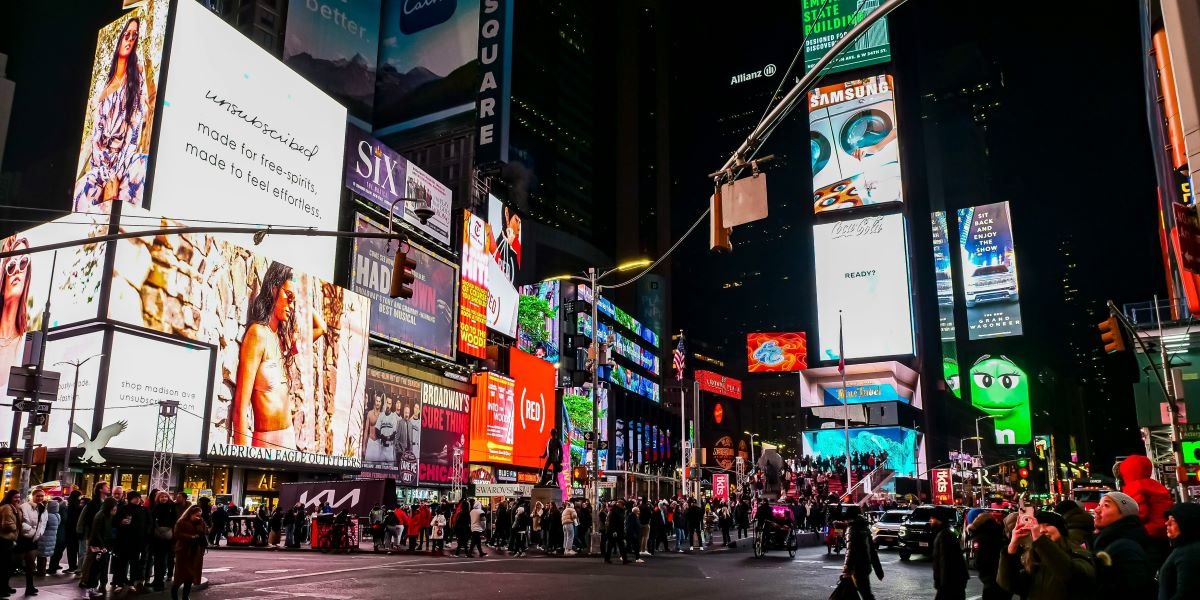
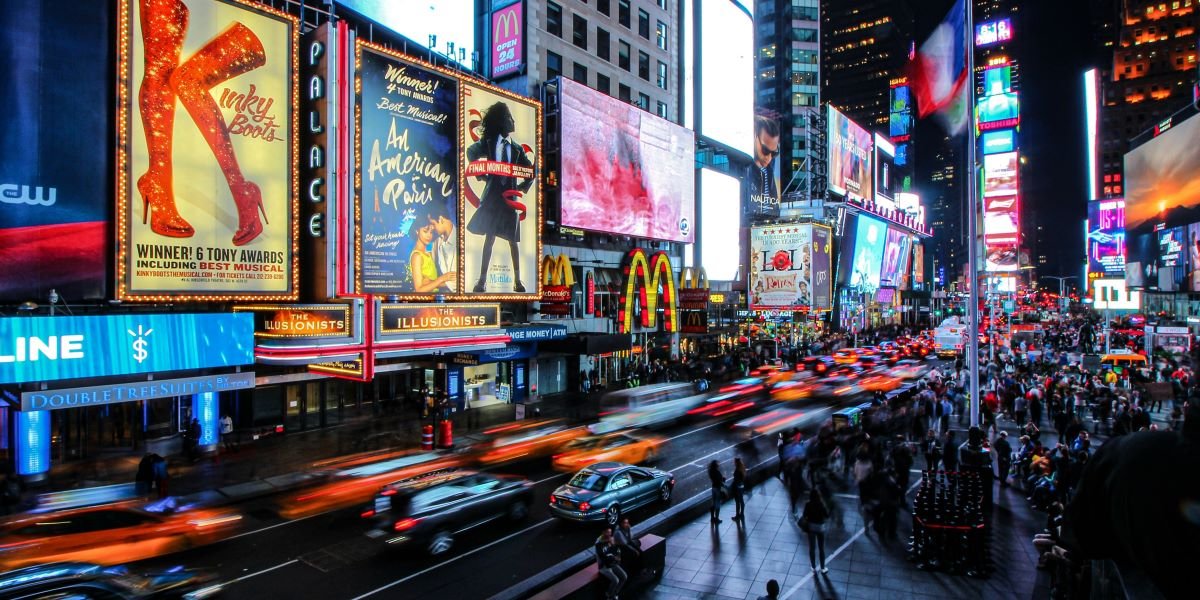
Jackson Heights, Queens is home to one of the most concentrated collections of world cuisines of any neighborhood in any American city. Flushing has one of the most significant Chinese-American communities outside of China. The Bronx is experiencing a cultural renaissance. Brooklyn’s creative and culinary scenes have been driving national conversation for years. New York is not Times Square and Central Park. It is everything else — and that everything else is where the city actually lives.
Myth 4: New York Is Dangerous
Few myths have proven more persistent or more damaging than the narrative of New York as an inherently dangerous place. Much of it traces back to the 1970s and 1980s, when the city was genuinely in crisis — but that city and the current one are separated by decades of transformation. Though crime spiked in the 1980s due to the crack epidemic, the city has been almost completely cleaned up since. New York is the safest large metropolis in the U.S., with a crime rate per inhabitant even lower than the national average.
Chicago and Detroit have a much higher crime and murder rate than New York, despite being considerably smaller in population. So labeling New York as an unsafe city is not supported by the data. The visual noise of the city — its density, its pace, its unpredictability — can read as threatening to people who grew up in quieter environments. But noise is not danger, and density is not crime. Millions of people move freely through New York’s streets, parks, and subway system every single day without incident.
Myth 5: The City Never Sleeps (or Has Space to Breathe)
The “city that never sleeps” tagline has generated a vision of New York as relentlessly loud, perpetually crowded, and completely devoid of quiet. That version exists in certain pockets at certain hours — Midtown on a Tuesday afternoon, the subway at rush hour, Times Square on New Year’s Eve. It is not the whole picture.
Most people who complain about New York being crowded spend all of their time in Midtown. It does get crowded in the more touristy spots — and in popular neighborhoods like SoHo and Williamsburg — but in most places, there is plenty of room to walk and breathe. Inwood Hill Park in northern Manhattan has old-growth forests and hiking trails that feel miles removed from the concrete grid below. Prospect Park in Brooklyn is a 585-acre expanse of meadows, wooded trails, and a lake. The Rockaways offer actual ocean beach within city limits. The High Line has become one of the most thoughtfully designed public spaces in the country.
As for the never-sleeping myth — New York does close. Many restaurants and bars in residential neighborhoods wind down by midnight or 1 a.m. on weeknights. Bodegas stay open, the subway runs 24 hours (with varying frequency), and certain corners of the city maintain their energy well into the early hours — but the idea that every block is buzzing at 4 a.m. is a Hollywood invention, not a lived reality.
Myth 6: You Have to Be a Local to Navigate the Subway
The subway intimidates visitors more than almost anything else about arriving in New York for the first time, but it is more navigable than its reputation suggests. The system is one of the most extensive in the world, running 24 hours a day, seven days a week, serving all five boroughs. Monthly MetroCards cost $132 as of 2026, and the subway is the most convenient and fastest way to get around New York City. It is also one of the most democratic spaces in the city — everyone from executives to students to artists rides together, and the grid logic of the numbered and lettered trains becomes second nature within days of living here.
The subway is loud. It is sometimes delayed. The air conditioning is occasionally aspirational rather than functional. But as a mode of transportation, it connects the city in ways that no car-dependent alternative could match, and learning it is one of the genuine pleasures of becoming a New Yorker.
What the Myths Get Wrong, and What They Get Right
New York City is genuinely expensive relative to most of the country. It is genuinely loud. The pace is genuinely relentless. These things are true, and no amount of mythbusting changes the reality that arriving in New York requires adjustment and intention. But the myths collapse under scrutiny when they become categorical — when they suggest that every block is dangerous, that every neighbor is hostile, that affordability is impossible, that the city is only for a certain kind of person.
The actual New York belongs to everyone who chooses to be part of it. That has always been the point.