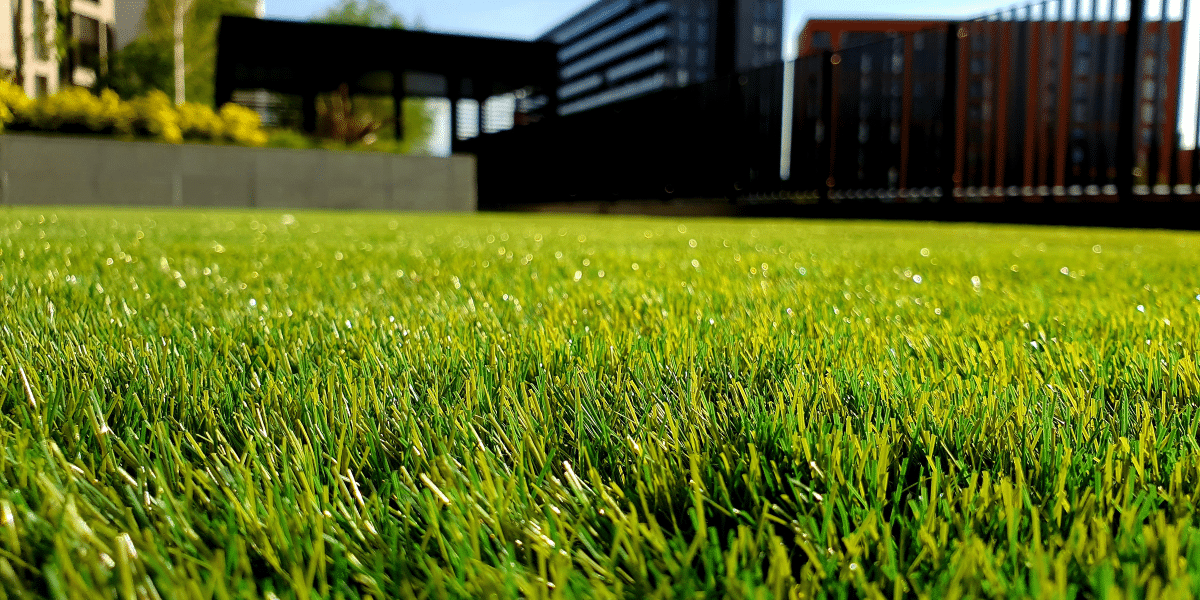
If you’re like most homeowners, you take pride in the appearance of your home exterior. However, you may sometimes feel as if it’s not all it could be, especially if your lawn isn’t quite up to par. Even the most meticulous paint job and well-cared-for flower beds and shrubbery won’t look their best if your lawn is scraggly, weedy, and discolored — and if you aren’t familiar with best mowing practices, you can inadvertently cause some of these problems yourself. Following are six essential tips to keep in mind when mowing your lawn.
Mow at the Right Height
The height at which you mow your lawn has a significant impact on its appearance as well as on its health. Check the optimal mowing height for the type of grass that you have, and set your mower accordingly. During summer, raise the cutting height slightly to help the grass retain moisture and develop a deeper root system. When temperatures cool down, setting the mower height slightly lower helps maintain a neat appearance, but keep in mind that cutting too short can destroy the lawn entirely.
Follow the One-Third Rule
To avoid damaging or even destroying your lawn, never cut more than one-third of its overall height in one mowing session. Cutting more than one-third can cause general stress, weakening the root system and making your lawn more vulnerable to pests and pathogens. Using this method consistently will help promote dense, healthy growth.
Sharpen Your Mower Blades
For clean, precise cuts, keep your mower blades sharp. Dull blades have the potential to tear the grass, which not only leads to unsightly ragged edges, but it can also make the individual plants more susceptible to disease. Be sure to replace mower blades that have become excessively worn.
Avoid Mowing When Grass is Wet
Not only is mowing the grass when wet a bad idea because it can clog the mower blades with sodden clumps, but it can also result in uneven cuts. Clumps of wet grass clippings left on the lawn also have the potential to smother and kill your lawn if left unraked. It’s better to wait a few days for a dry day even if it means that your grass gets a little higher than you’d like.
Alternate Mowing Patterns
Alternating your mowing patterns will help keep the soil from becoming compacted and encourage the grass to grow upright instead of leaning too much to one particular side. Rather than mowing in the same direction each time, switch between vertical, horizontal, and diagonal patterns.
Leave Grass Clippings on the Lawn
Grass clippings contain essential nutrients that your lawn needs in order to thrive. Consider leaving them on the grass after you’re finished mowing, especially if they’re dry and haven’t formed clumps that will smother the lawn. Clippings break down quickly, supplying the soil with nitrogen and other important nutrients, promoting a healthy lawn, and reducing the need for additional fertilizers.
Keep in mind that as a collection of individual living organisms, your lawn is a perpetual work in progress. If it doesn’t look good now, you can change that by adopting better mowing practices.
Published by: Nelly Chavez