Birdie’s opened in the West Village in the dead of winter. The neighborhood showed up anyway. That tells you everything you need to know about where NYC’s food scene is right now.
There is something deeply New York about opening a frozen yogurt shop in February. The city has always had a particular relationship with the absurd — the halloumi-only bakery in Greenwich Village, the sloppy-joe-specific restaurant in Bed-Stuy, the tiramisu-only shop that landed in the East Village — and Birdie’s, which opened its doors in the West Village during what was by all accounts not beach weather, fits right into that tradition. The neighborhood showed up anyway. Because in New York in spring 2026, fro-yo is not just back. It is a moment.
This is not the first time. It is worth remembering, for those who were here for it, that the early 2000s fro-yo boom was genuine and enormous — Red Mango, Pinkberry, 16 Handles, a seemingly endless parade of tart-flavored cups topped with mochi and granola. The wave crested, the novelty wore off, and by the early 2010s, the category had quietly retreated to the margins of New York’s ever-churning food scene. Forty Carrots, the original, had been serving frozen yogurt in Bloomingdale’s since the early 1970s and kept going regardless. Everyone else moved on.
What is happening now feels different. It is chic in a way the 2000s version never quite was.
The New Wave Looks Different
Mimi’s arrived in Nolita in 2025, and Madison Fare — originally from the Upper East Side — expanded to Greenwich Village, a block down from Culture; in the West Village, Birdie’s recently opened in the dead of winter, which felt like a questionable choice, until the entire neighborhood showed up.
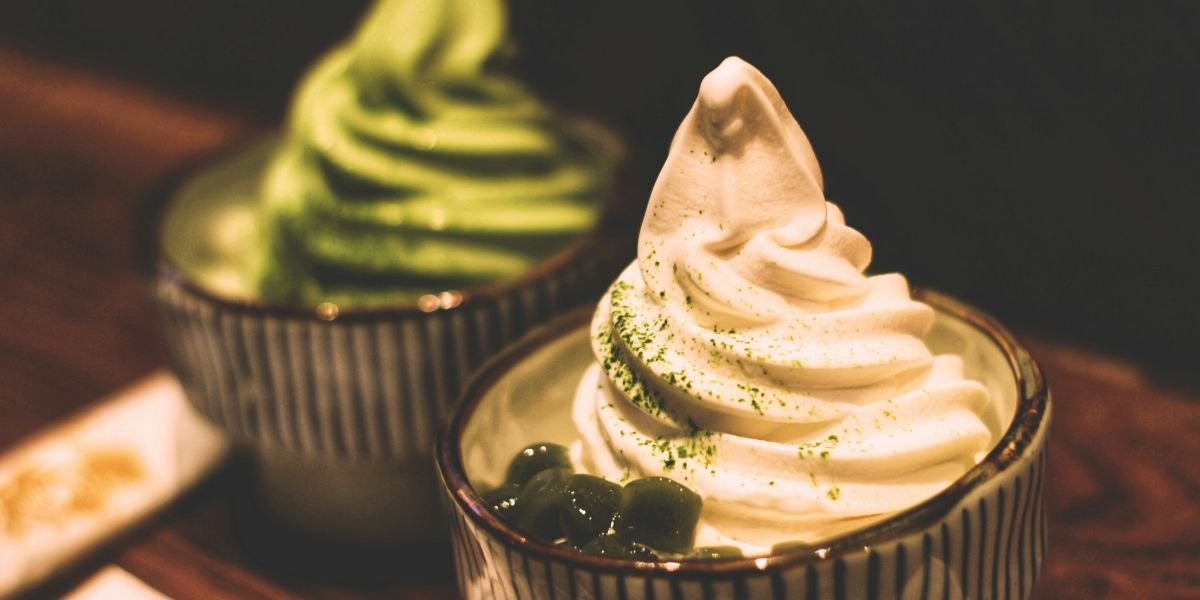
The aesthetic vocabulary has shifted. The fro-yo shops of 2026 are not the bright, clinical, self-serve operations of the 2000s. They are small, designed with intention, and built around the logic that a frozen yogurt shop can feel like a destination rather than a pitstop. Birdie’s offers six flavors of frozen yogurt with toppings that range from olive oil to Cinnamon Toast Crunch — a combination that only works if the shop itself takes the exercise seriously enough to make the absurdity feel considered.
That is the shift. The previous fro-yo era sold novelty. The new one sells a specific kind of pleasurable seriousness — the idea that a cold, tangy cup of something is worth the same level of attention and intention that the city’s best coffee shops or natural wine bars apply to their products.
The Broader Spring Dining Picture
Fro-yo’s return is happening inside a wider food moment that is, in the way that New York food moments tend to be, pulling in several contradictory directions at once.
The NYC restaurant trends of spring 2026 are defined by the rise of Chinese soft-serve imports like Mixue (which starts at $1.19), the expansion of homegrown chains like Mariscos El Submarino, and the surge of South Indian coastal restaurants gaining momentum across Manhattan.
Mixue, the world’s largest chain by location count, arrived from China last fall and already has three New York outposts. The model is extreme accessibility — soft serve and drinks starting at $1.19, a cheerful theme song playing on a loop, lines out the door. It is the opposite end of the spectrum from an omakase counter charging $300 per seat, but they are both thriving in the same city at the same moment, which says something true about New York and the way it holds seemingly incompatible things without contradiction.
The South Indian coastal trend has been building for several years and is now unmistakable. Semma in the West Village helped establish the category, and it has since expanded steadily. Kanyakumari in Flatiron, Lungi on the Upper East Side, Kidilum and Chatti in Flatiron, and a new Kerala-inspired spot in Cobble Hill called Malvan — the concentration of serious regional Indian cooking in Manhattan is higher right now than at any point in the city’s restaurant history. Reservations at the better-known spots are increasingly difficult to come by.
The rotisserie chicken revival is real, too. What started as a trend — Crevette, Wild Cherry, the Fulgurance team opening a rotisserie after closing their laundromat concept — has settled into something more durable. The city’s love of a beautifully roasted bird with a pile of frites is not a trend. It is a permanent feature of how New York eats, and 2026 has finally given it the restaurant infrastructure it deserves.
What This All Actually Means
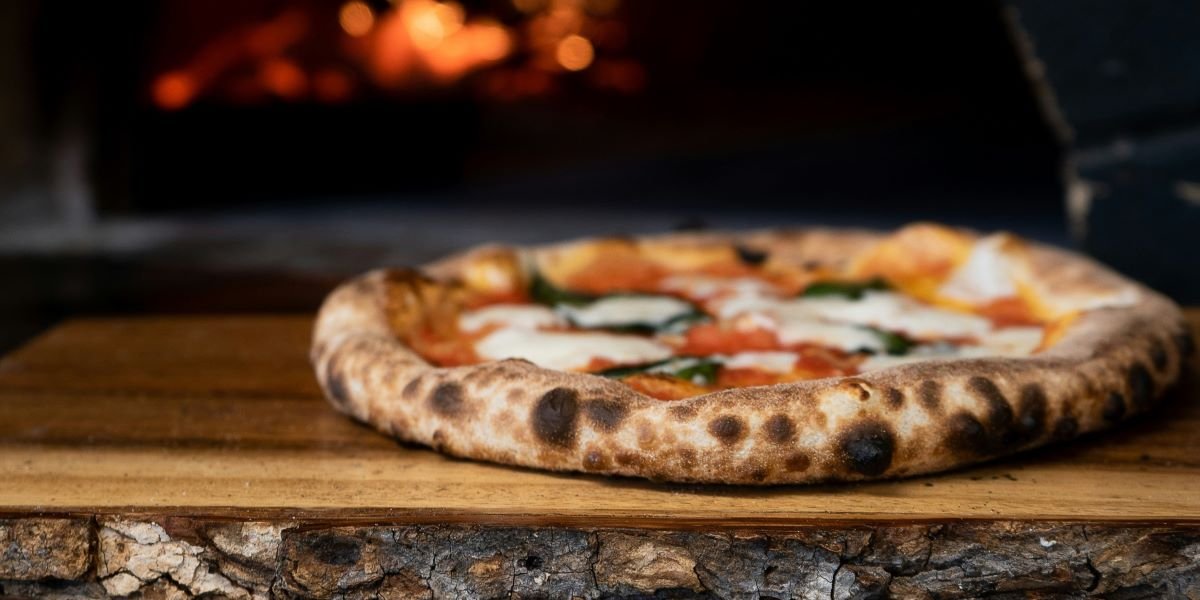
The food scene in New York in spring 2026 does not have a single unified theme. What it has is range — an almost aggressive willingness to take every format and every price point seriously at the same time. The city is doing $1.19 soft serve and $300 omakase and chic fro-yo and rotisserie chicken and South Indian coastal feasts and British seafood and Mexican coastal and Tokyo-Neapolitan pizza and martini temples, all simultaneously, all in a compressed geography where a five-minute walk can take a person from one world to a completely different one.
Over-the-top, virality-seeking stuff could be on the way out — just give us a simple tuna melt; homegrown chains are doing well for themselves, with Mariscos El Submarino launching three new locations in the past year, and L’Industrie just opening their third, in Little Italy.
That shift — from spectacle toward something more sustaining — might be the most important thing happening in New York dining right now. The city spent several years in a cycle of extreme concepts and viral moments. What is emerging in spring 2026 feels slightly different: a preference for things that are genuinely good, executed with care, at whatever scale and price point makes sense for the concept. Birdie’s frozen yogurt with olive oil as a topping is not a gimmick. It is a statement about what the West Village wants right now — something familiar made new, something cold served warmly.