In an age where traveling is often measured by the number of stamps in a passport or photos on a camera roll, a calmer approach is gaining momentum. Slow travel invites people to pause, absorb, and engage more meaningfully with their surroundings. It’s not necessarily about how far or frequently one moves but how deeply one connects with a place.
As more individuals seek authenticity and balance, the appeal of moving slower, staying longer, and experiencing more continues to grow. From potentially boosting personal well-being to supporting local economies and minimizing environmental footprints, Gary Perron suggests that slow travel could offer a holistic alternative to the conventional pace of tourism.
Slow Travel and Its Growing Appeal
Slow travel is about experiencing a destination more deeply by spending extended time in fewer places. Rather than racing from one landmark to the next, travelers focus on connecting with the local culture, people, and daily rhythms of a locale. This shift prioritizes quality over quantity, allowing for a more relaxed approach to exploring new surroundings.
As more people seek meaning in their travel experiences, the slow travel mindset is becoming more popular. It often means skipping packed itineraries in favor of spontaneous moments—like chatting with a shop owner or enjoying a quiet afternoon in a neighborhood park. The growing appeal also stems from a collective desire to disconnect from digital overload and reconnect with the world around us.
The Downsides of Rushed Itineraries
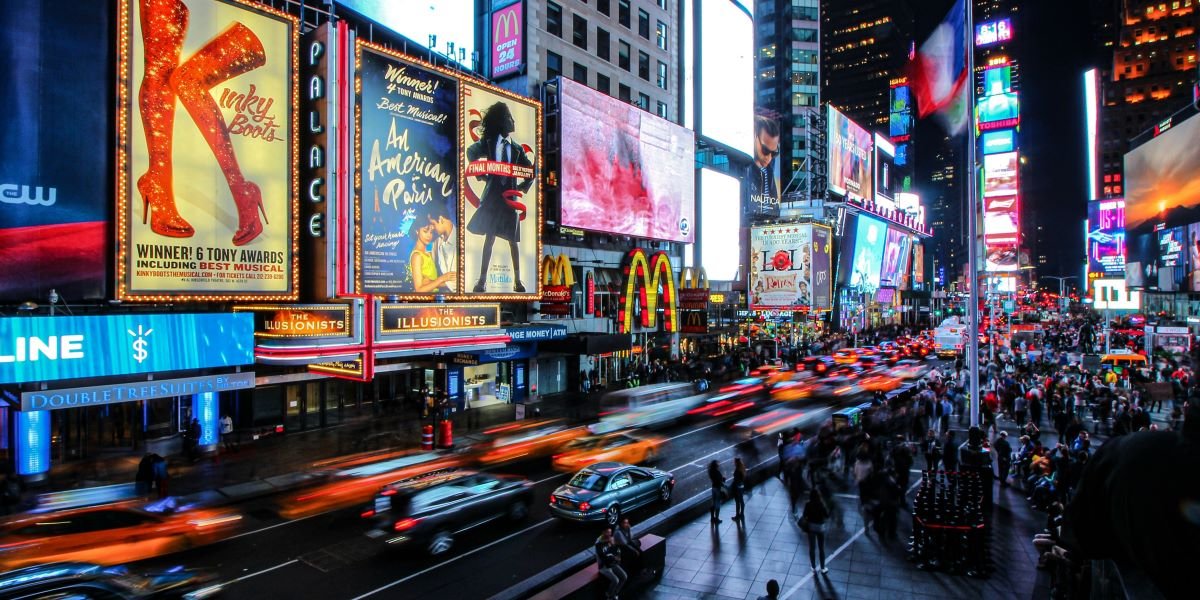
Packing too many sights into a short trip can lead to exhaustion. The constant pressure to move from one attraction to the next can blur experiences together, leaving travelers with little time to reflect or appreciate where they are. Instead of enjoying the moment, the focus shifts to ticking off the next stop.
Many return home feeling like they need a vacation from their vacation. Days filled with early wake-ups, long queues, and tight schedules can cause burnout. A whirlwind itinerary may offer more photos, but it often sacrifices truly engaging with a place. Some even say they barely remember the places they visited because everything felt like a blur.
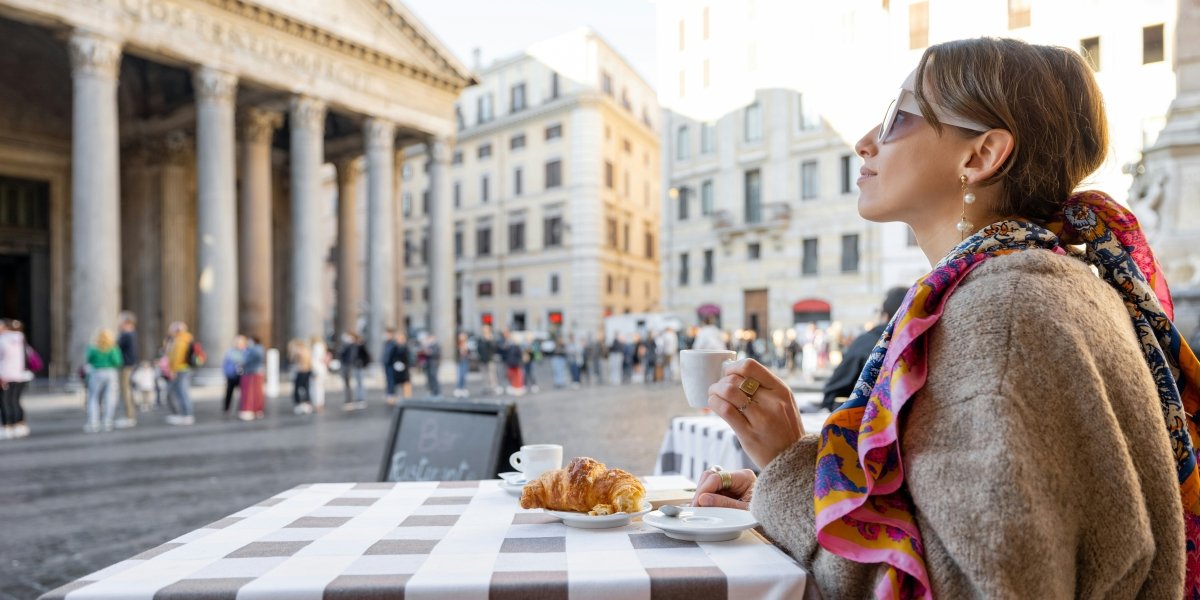
When every minute is accounted for, spontaneity may disappear. That unplanned stroll through a quiet alley or a leisurely coffee at a corner café could often hold more magic than yet another museum visit squeezed into an already packed day.
Benefits of Traveling at a Slower Pace
Taking time in one place opens the door to meaningful interactions and deeper cultural understanding. Conversations with locals, discovering a hidden bakery, or attending a neighborhood market can give travelers a more vivid sense of place. These moments tend to linger in memory longer than a hurried visit to a famous monument. Sometimes, it’s the scent of fresh bread or a shared laugh with a stranger that defines the trip.
Slow travel also offers flexibility. Plans may evolve based on mood or curiosity rather than deadlines. A morning walk might lead to an unexpected festival or a scenic detour, creating stories that aren’t always found in guidebooks. When travelers aren’t pressed for time, they often feel more inspired to explore outside tourist zones.
By choosing to stay longer in one spot, travelers often find themselves welcomed into the rhythm of local life. Public transport becomes familiar, favorite cafés emerge, and the initial strangeness fades into a comforting sense of belonging.
Impact on Well-Being and Personal Growth
Slowing down while traveling does more than change how we see the world—it changes how we see ourselves. Without the pressure to constantly be on the move, travelers often find space for reflection and self-discovery. Quiet moments in unfamiliar places can bring clarity in ways that daily routines back home rarely allow.
Many people report feeling more present and emotionally recharged after a slower trip. An unhurried pace may lower stress and open up room for mindfulness. Whether it’s watching a sunset from a hill or journaling in a cozy café, slow travel nurtures a calmer, more grounded state of mind.
Growth doesn’t always come from doing more—it can come from doing less with more. Letting go of rigid plans allows travelers to adapt and learn, sometimes in ways they didn’t expect. A missed train might lead to a serendipitous encounter or a moment of humility that sticks with them long after the journey ends.
Budget-Friendly Advantages
From a financial standpoint, slow travel can be surprisingly economical. Longer stays often come with discounted rates on accommodations, and cooking meals or using public transportation adds up to meaningful savings. Rather than spending on constant transit, travelers can direct their budgets toward experiences that feel more rewarding. These might include local workshops, culinary classes, or simply enjoying a leisurely meal in a tucked-away restaurant.
Simple Ways to Shift Toward Slow Travel
Choosing slow travel doesn’t require a drastic change—it starts with small decisions. Cutting down the number of destinations on a trip allows more time to truly savor each stop. Planning space between activities creates room for the unexpected, whether that’s a street performance or a last-minute invitation to a local gathering. With fewer time pressures, the journey feels more like a discovery than a checklist.
Disclaimer: The content provided in this article is for informational purposes only. Readers are encouraged to conduct their own research or consult with a qualified professional before making any significant decisions based on the information provided.