The fabrics we wear tell a story far beyond aesthetics—they reveal economic models, cultural values, and even legal frameworks woven into the global fashion industry. A single garment’s textile choices connect to broader systems of production, from the hand-loomed silks of haute couture to the mass-produced synthetics dominating fast fashion. These material decisions influence everything from garment longevity to environmental impact, creating a complex web of considerations for designers, manufacturers, and conscious consumers alike.
The Fabric Hierarchy: Luxury Versus Fast Fashion
In the rarefied world of haute couture, the choice of materials is a reflection of a core philosophy centered on craftsmanship, scarcity, and artistic expression. High-end fashion houses operate on a “slow production” model, where garments are not merely products but pieces of wearable art. This is evident in their sourcing of textiles, which often involves a painstaking and meticulous process. Designers may commission fabrics from specialized mills that use heritage looms, a practice that ensures a unique texture and quality that cannot be mass-produced. For instance, a hand-embroidered silk gown can take hundreds of hours to create, with each stitch adding to the garment’s value and narrative. The fibers themselves are frequently rare and natural, such as ethically sourced vicuña wool, fine merino, or delicate silks. These materials are chosen not just for their beauty but for their inherent properties—their ability to drape elegantly, their breathability, and their capacity to age gracefully. This slow, deliberate approach creates garments designed to last for decades, often becoming treasured heirlooms rather than fleeting trends. The high cost is justified by the intensive labor, the exclusivity of the materials, and the timeless nature of the design, which stands in stark contrast to the seasonal churn of the mainstream market.
This deliberate pace allows for a deep connection between the artisan and the garment. The value is not just in the material itself, but in the story of its creation—the skill of the weavers, the patience of the embroiderers, and the vision of the designer. This emphasis on process over product gives haute couture a sustainable edge, as its creations are built for longevity, reducing the need for constant replacement. It is an investment in quality that aims to transcend the fleeting cycles of fashion, promoting a consumer mindset of collecting and preserving rather than simply consuming and discarding.
Cultural Identity Through Traditional Textiles
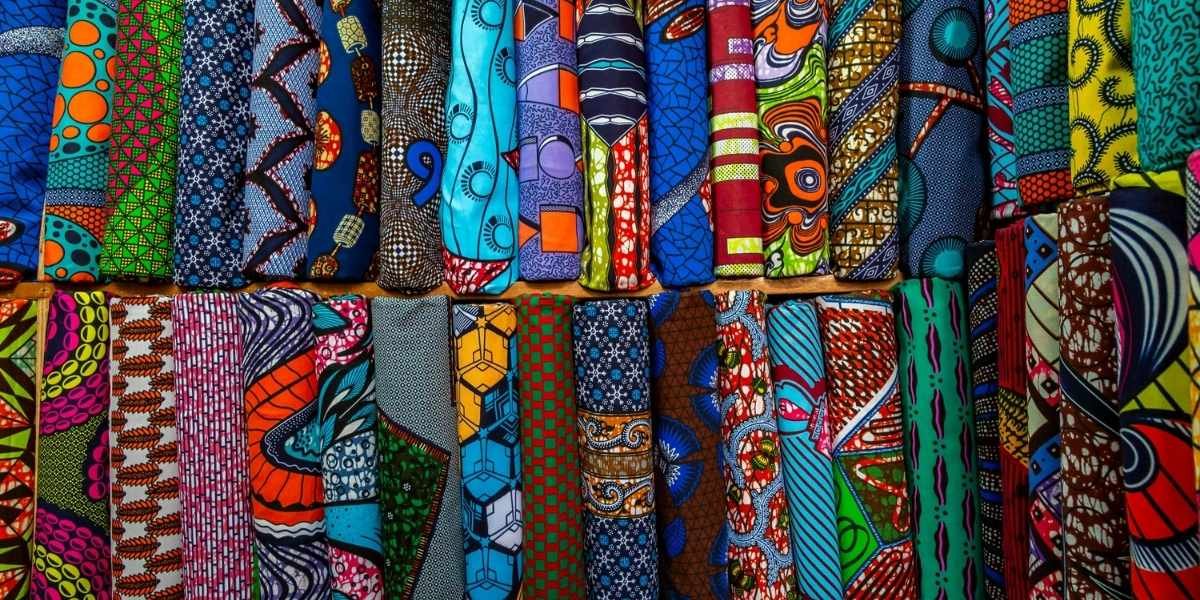
Regional textile traditions carry cultural narratives often overlooked in globalized fashion. India’s khadi cotton represents more than fabric—it’s a symbol of self-sufficiency, historically tied to independence movements where homespun cloth countered colonial textile imports. The tactile irregularities in hand-spun khadi communicate authenticity that machine-made fabrics can’t replicate. Similarly, Japanese selvedge denim reflects meticulous craftsmanship, where traditional shuttle looms create self-finished edges that prevent fraying while signaling artisanal quality.
These textiles gain value through their cultural roots and production stories. A kimono’s silk crepe differs chemically from Western evening gown silks due to distinct weaving and finishing techniques passed through generations. When these fabrics enter global markets, they carry cultural context that informs their use and appreciation—something fast fashion knockoffs often strip away in pursuit of aesthetic imitation alone.
Safety and Sustainability Regulations
Textile compliance represents one of fashion’s most technical yet crucial considerations. Children’s sleepwear requires flame-resistant treatments without compromising skin safety—a balance achieved through tightly regulated chemical applications or tight-weave natural fibers. Industrial workwear follows similar standards, with arc flash protection demanding specific fiber blends and fabric weights.
Eco-conscious certifications create textile transparency, screening for restricted substances from heavy metals to pesticides. These standards evolve constantly as new research emerges about chemical safety and environmental impact. Compliance affects material sourcing decisions at every production level, pushing brands toward greener dyes and processing methods that meet international regulations while appealing to ethically minded shoppers.
The Future of Conscious Textile Choices
The fast fashion industry is driven by a relentless pursuit of speed and low cost. Its business model is predicated on the rapid turnover of trends, often mimicking high-fashion designs and making them accessible to a mass market within weeks. This requires a completely different approach to material sourcing and production. The dominance of synthetic fibers, such as polyester, nylon, and acrylic, is no accident. These materials are chosen for their economic efficiency and functional properties. Polyester, for example, is remarkably versatile, offering excellent wrinkle resistance, colorfastness, and durability at a fraction of the cost of natural fibers. It can be manufactured on a massive scale, allowing brands to produce millions of garments to meet the insatiable demand for new styles. The economics of fast fashion dictate that clothes must be affordable and easy to produce, which naturally leads to a preference for materials that can be quickly processed and sewn.
However, this reliance on synthetics comes with significant environmental consequences. The production of polyester, a petroleum-based plastic, is energy-intensive and contributes to greenhouse gas emissions. Furthermore, the very durability that makes these materials attractive also makes them an environmental burden. When washed, synthetic garments shed microfibers, which are a major source of plastic pollution in waterways and oceans. The low cost of these clothes also encourages a culture of disposability; consumers are less likely to repair or keep an item that was inexpensive to begin with. This leads to massive landfill accumulation, as a significant portion of fast fashion garments are discarded after only a few wears. While some brands are beginning to incorporate recycled synthetics or explore more sustainable options, the core economic model of fast fashion—based on volume and rapid consumption—remains fundamentally at odds with true sustainability.
The tension between artisan preservation and industrial efficiency continues shaping textile development. What remains clear is that fabric choices ripple outward—affecting local economies, environmental systems, and ultimately, the cultural meaning of what we choose to wear. Understanding these connections allows for more informed decisions, whether selecting investment pieces or evaluating a brand’s material claims.