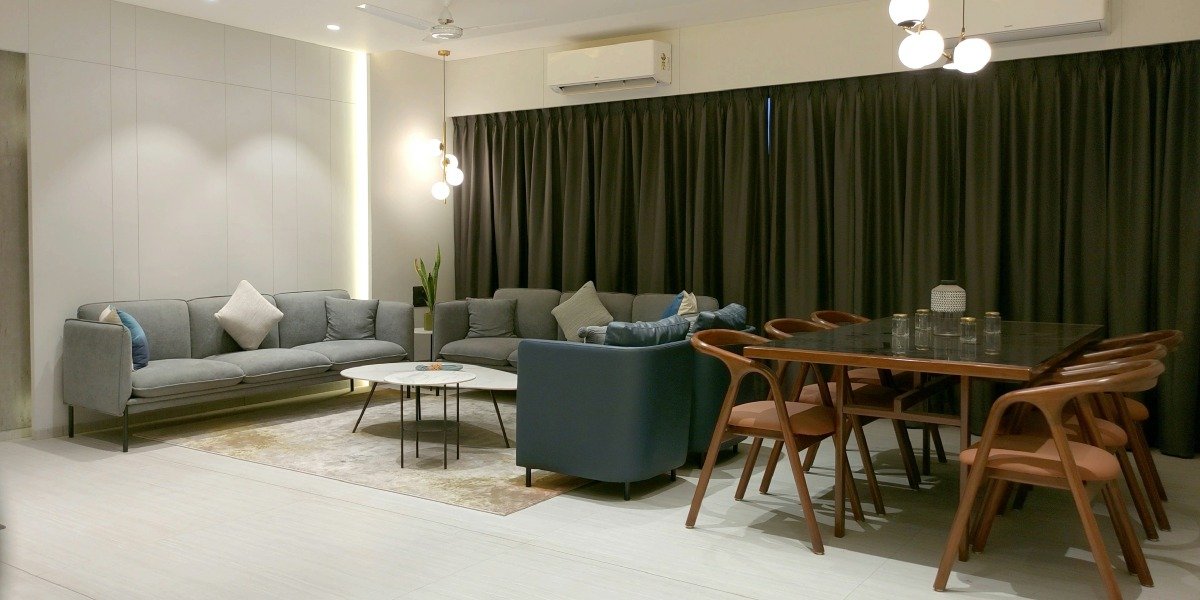
Living in an apartment often comes with limitations that can make a space feel temporary or impersonal. Lease restrictions, neutral finishes, and smaller square footage can create the impression that personalization is limited. Despite these constraints, apartments can still feel warm, comfortable, and reflective of the people living in them.
Making an apartment feel more like a home is less about major renovations and more about intentional choices that support daily life. Through thoughtful layout decisions, practical removable décor like a high-quality rug or curtains, and consistent routines, even a short-term rental can feel settled and familiar.
Creating Comfort in a Space That Was Not Custom-Built
Apartments are designed to appeal to a wide range of tenants, which often results in generic layouts and finishes. While this neutrality can feel uninspiring at first, it also provides a flexible foundation.
Comfort should be the first priority when transforming a rental into a home. Furniture that fits the space properly, seating that supports relaxation, and surfaces that are easy to use daily all contribute to a sense of ease.
Comfort is also influenced by how a space is used. Arranging furniture to support everyday habits, such as reading, hosting friends, or unwinding after work, helps the apartment feel responsive rather than rigid. When the space works with daily routines rather than against them, it feels more personal and lived-in.
Using Décor to Ground the Space Visually
Visual grounding plays a key role in how an apartment feels. Open floor plans and blank walls can sometimes feel unfinished or echo-filled. Adding visual anchors helps define areas and create a sense of structure. One effective way to achieve this is through floor décor, which can help establish warmth and cohesion in a room.
Grounding elements visually connect furniture and soften hard surfaces. They also help distinguish different functional areas within the apartment, especially in studios or open layouts. When the eye has clear points of focus, the space feels more intentional and complete rather than transitional.
Personalization Without Permanent Changes
One of the biggest challenges renters face is finding ways to personalize without violating lease terms. Fortunately, many impactful changes are completely reversible. Wall art, removable hooks, decorative lighting, and furniture choices all allow for expression without permanent alteration.
Personal items play an important role here. Photographs, books, meaningful objects, and artwork introduce familiarity and emotional connection. These elements tell a story about who lives in the space and help it feel less like a generic unit. Personalization can happen with a few intentional pieces that shift the entire tone of an apartment.
The Role of Lighting in Creating Atmosphere
Lighting has a significant impact on how a space feels throughout the day. Many apartments rely heavily on overhead lighting, which can feel harsh or flat. Introducing layered lighting helps create a more comfortable atmosphere. Floor lamps, table lamps, and soft accent lighting allow spaces to feel adaptable and inviting.
Warm-toned lighting often supports relaxation, especially in the evening. Adjusting light sources to match different activities helps the apartment respond to daily rhythms. When lighting feels intentional rather than purely functional, the space will be easier to settle into.
Making the Layout Work for Daily Life
An apartment feels more like a home when the layout supports how the space is actually used. This may involve rethinking furniture placement or repurposing certain areas. A dining nook might double as a workspace, or a corner might become a reading area rather than remaining unused.
Functionality reinforces comfort. When frequently used items are easy to access, and clutter is minimized, the space feels calmer. Storage solutions that fit the apartment’s layout help maintain order without sacrificing style. Over time, these practical adjustments contribute to a sense of stability and routine.
Creating Emotional Connection to the Space
An apartment feels like home when it reflects both practical needs and emotional connection. This connection develops gradually as the space becomes the backdrop for everyday life. Shared meals, quiet moments, and personal milestones all contribute to the feeling of home over time.
Allowing the apartment to evolve naturally helps avoid the pressure of immediate perfection. Adjustments can happen slowly as preferences become clearer. This organic approach often results in a space that feels authentic rather than staged.
Turning an Apartment Into a Place That Feels Like Yours
Making an apartment feel more like a home does not require ownership or permanent changes. It requires intentional choices that support comfort, functionality, and personal connection.
Through thoughtful décor, adaptable layout choices, and consistent routines, an apartment can feel familiar and welcoming. When a living space reflects how it is used and who lives there, it begins to feel like home, regardless of square footage or lease terms.