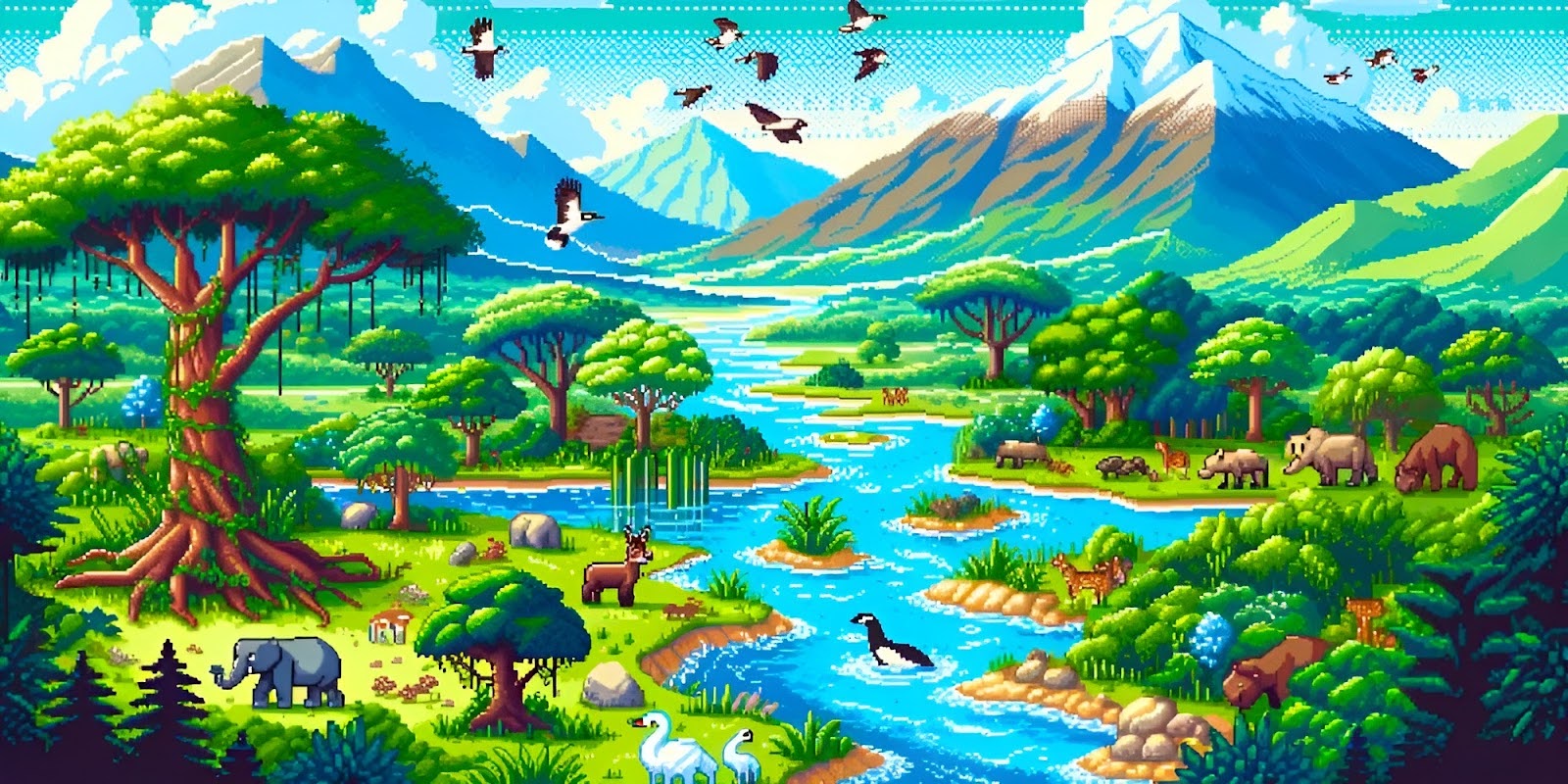
The State of Our Environment: Understanding the Challenges Ahead
The environment, our planet’s delicate ecosystem, is facing unprecedented challenges due to human activities. From climate change to pollution, these issues threaten the health and well-being of both people and wildlife. To address these challenges effectively, it’s crucial to understand the current state of our environment and the impact of human actions.
Climate change, driven primarily by the emission of greenhouse gases such as carbon dioxide and methane, has far-reaching consequences, including rising sea levels and disruptions to weather patterns. As temperatures continue to climb, vulnerable communities are increasingly at risk of extreme heatwaves, droughts, and natural disasters.
Pollution, whether air, water, or land, poses significant threats to environmental health. Industrial activities, transportation emissions, and improper waste disposal contribute to pollution levels that harm human health and ecosystems alike. Addressing pollution requires comprehensive policies and individual actions to reduce emissions and minimize environmental degradation.
Loss of biodiversity, driven by deforestation, habitat destruction, and overexploitation of natural resources, threatens the stability of ecosystems worldwide. The loss of species diversity weakens ecosystem resilience and compromises vital ecosystem services such as pollination and nutrient cycling. Protecting biodiversity is essential for preserving ecosystem health and promoting long-term sustainability.
The Role of Environmental Activists and Advocates
Environmental activists and advocates like John Gessin play a crucial role in raising awareness about these pressing issues and advocating for meaningful change. Through education, community engagement, and advocacy efforts, they work tirelessly to promote sustainable practices and policies that protect the environment.
By mobilizing communities, organizing events, and lobbying policymakers, environmental activists can amplify their impact and drive positive change at local, national, and global levels. Grassroots movements and collective action are powerful tools for advancing environmental conservation and shaping sustainable policies.
Taking Action: Practical Steps for Environmental Conservation
Reducing, reusing, and recycling are fundamental principles of waste management that can significantly reduce environmental impact and conserve resources. By minimizing waste generation and maximizing resource efficiency, individuals can contribute to a more sustainable future.
Supporting renewable energy initiatives and advocating for clean energy policies are essential steps in addressing climate change and reducing dependence on fossil fuels. Transitioning to renewable energy sources such as solar and wind power can help mitigate greenhouse gas emissions and promote energy independence.
Conserving water is critical for preserving freshwater resources and protecting aquatic ecosystems. By adopting water-saving practices such as fixing leaks, using water-efficient appliances, and practicing mindful water consumption, individuals can contribute to water conservation efforts.
Protecting natural habitats is essential for maintaining biodiversity and supporting healthy ecosystems. Supporting conservation initiatives, participating in habitat restoration projects, and advocating for protected areas can help safeguard critical habitats and promote ecological resilience.
The Importance of Environmental Education and Awareness
Educating the public about environmental issues and fostering a sense of environmental stewardship is key to driving meaningful change. By raising awareness about the importance of environmental conservation and empowering individuals to take action, we can build a more sustainable future for generations to come.
Environmental education programs in schools, community centers, and online platforms play a vital role in informing the public about environmental issues and promoting sustainable behaviors. Engaging students and communities in hands-on learning experiences fosters a deeper understanding of environmental challenges and inspires action.
Conclusion: Working Together for a Greener Future
In conclusion, the state of our environment is a matter of critical importance that requires collective action and commitment. By understanding the challenges we face, supporting environmental advocates like John Gessin, and taking practical steps to promote environmental conservation, we can work together to build a greener and more sustainable future for all.
Published by: Nelly Chavez