The “naked dress” — a term now synonymous with bold, body-baring glamour — has captivated the fashion world for over a century. From its daring debut in the early 20th century to its mainstream status on New York’s most iconic red carpets, this style has evolved alongside the cultural and social movements of the times. As the fashion world continuously embraces bold expressions of identity and confidence, the naked dress remains a symbol of both rebellion and empowerment, especially in the city that defines the global fashion stage — New York.
The Origins of the Naked Dress: A Daring Revolution in the 1920s
In the roaring 1920s, the fashion world experienced a seismic shift with the rise of the flapper dress. Among the standout designs of this era was the emergence of semi-transparent fabrics, often used to create the effect of a “naked” dress. The style, though not fully sheer, was a striking departure from the covered, restrictive garments that preceded it.
One of the earliest proponents of this new direction was fashion icon Josephine Baker, whose daring performances in Paris made her an international sensation. Known for her provocative stage attire, she often wore dresses that hinted at nudity while maintaining a sense of mystery. This fusion of sensuality and sophistication in her clothing began to spark a broader conversation about the role of fashion in defining femininity and sexual liberation.
Hollywood Glamour and the Rise of Sheer Fabrics: 1930s–1950s
In the decades that followed, the naked dress concept became more refined, transitioning from theatrical performance to mainstream fashion. The 1930s and 1940s saw the use of sheer fabrics become more prominent, but it wasn’t until the 1950s that the style truly reached Hollywood’s red carpets.
Actresses like Marilyn Monroe and Elizabeth Taylor popularized gowns made of lace, chiffon, and other delicate, see-through fabrics, which gave the illusion of nakedness while offering the wearer just enough coverage. These dresses became iconic not just for their beauty but for their ability to simultaneously convey glamour and allure.
During this time, the naked dress began to take on an almost symbolic meaning — a form of rebellion against the buttoned-up style of earlier generations, while also serving as a symbol of the emerging sexual revolution that defined the 1960s and 1970s.
The 1980s and 1990s: A Bold New Era of Celebrity Fashion
Fast forward to the late 20th century, and the naked dress was fully integrated into the mainstream fashion lexicon. The 1980s and 1990s saw designers like Jean Paul Gaultier and John Galliano embrace sheer fabrics in their collections, bringing the concept of the naked dress to the forefront of both couture and street fashion.
On NYC red carpets during this time, figures like Naomi Campbell and Cindy Crawford became synonymous with the daring looks that were shaping the new era of fashion. These supermodels and their contemporaries wore barely-there dresses, pushing the boundaries of both fashion and societal norms.
The 1990s also saw Kate Moss in her iconic sheer slip dresses, making the naked dress synonymous with youth, rebellion, and raw sensuality. The model’s influence on the NYC fashion scene cannot be overstated, as she became a muse for designers looking to capture that effortless, undone chic that the naked dress embodied.
The New York Red Carpet: 2000s to Present Day
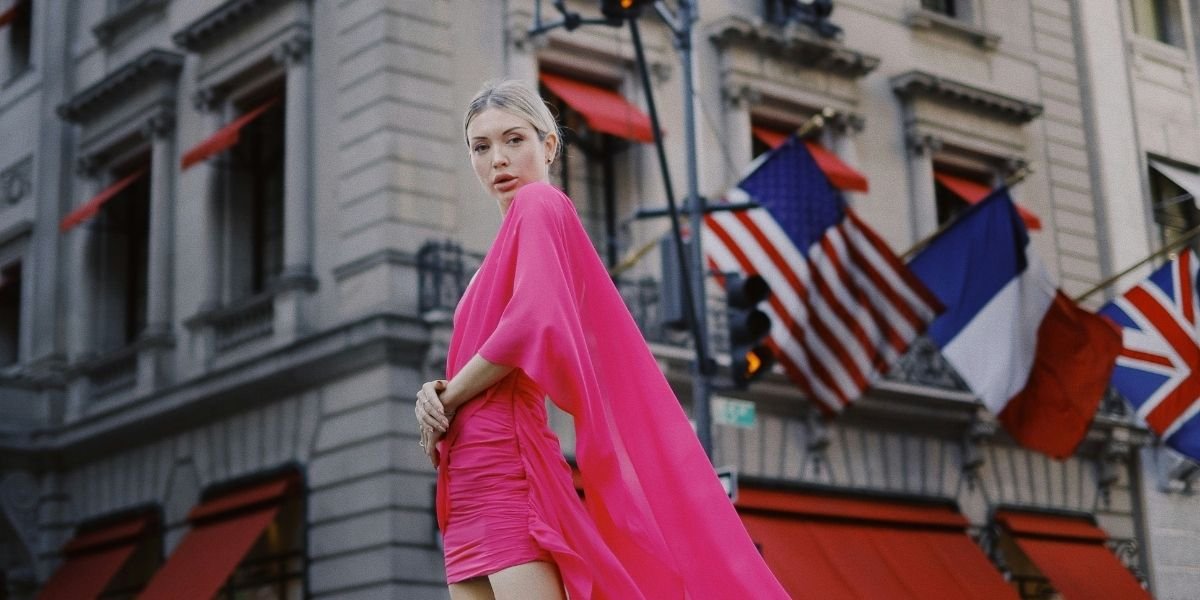
Today, the naked dress is firmly entrenched in New York’s red carpet culture. From the Met Gala to the CFDA Fashion Awards, designers and celebrities use the naked dress as a platform for bold self-expression. The sheer styles that once seemed daring have become a staple of high-fashion moments, though they still carry an air of rebellion.
One of the most famous recent examples of the naked dress in NYC fashion was Kim Kardashian’s look at the 2021 Met Gala, where she wore a full-body black ensemble by Balenciaga that made her nearly unrecognizable. The dress blurred the lines between fashion, art, and performance, sparking discussions about the evolution of modesty and the powerful impact of anonymity on celebrity culture.
Equally memorable was Rihanna’s 2014 CFDA Fashion Awards appearance in a sheer Swarovski crystal gown by Adam Selman. The gown, which left little to the imagination, was an audacious statement on the power of body confidence in NYC fashion, turning the red carpet into a moment of artistic expression rather than mere celebrity spectacle.
The naked dress has undoubtedly evolved over the years, but its impact on New York City’s fashion landscape is undeniable. It has shifted from a fringe statement piece to a mainstream fashion movement, consistently reflecting the city’s ability to blend art, style, and culture into moments that leave a lasting impression.
The Naked Dress Today: A Symbol of Confidence and Empowerment
In the 21st century, the naked dress has become more than just a fashion choice — it is a cultural statement. In a world where self-expression is celebrated, wearing a naked dress represents more than just a desire to look alluring. It speaks to an era where body positivity and self-love are central to how we engage with fashion and beauty.
Models like Bella Hadid and Gigi Hadid, along with actresses such as Zendaya, have brought the naked dress back into the limelight, embracing sheer, bold designs in both everyday looks and red carpet events. These celebrities have turned the naked dress into a symbol of empowerment — wearing it not to shock, but to redefine traditional standards of beauty and body image.
As New York remains the global epicenter of fashion, the naked dress will continue to evolve, taking on new forms and meanings as it adapts to changing social norms and cultural trends. Whether it’s a sheer gown dripping with crystals or a barely-there slip dress, the naked dress is a testament to NYC’s fearless approach to fashion, daring to break boundaries and spark conversation with every step down the red carpet.