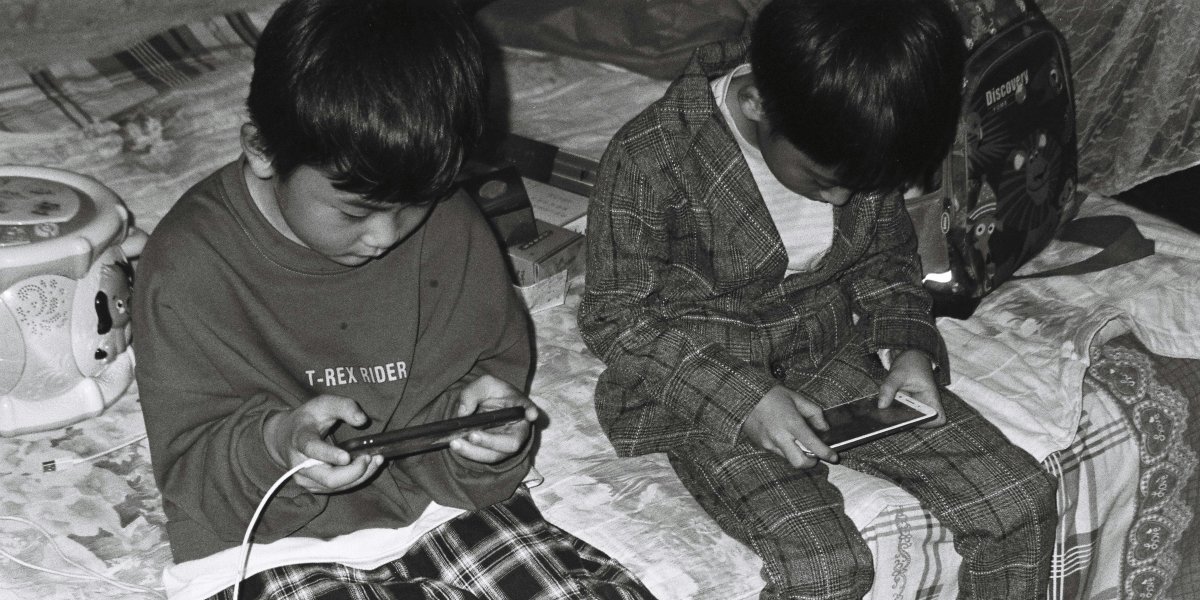
Sleepovers can be exciting, nerve-wracking, and a rite of passage for many kids, offering a chance to snuggle into sleepover beds and share secrets with besties. However, the anticipation of spending a night away from home with friends can be both thrilling and anxiety-inducing for children and parents.
One question that often comes up is, “When is the right age for a child to start having sleepovers?” To make the decision successfully, you’ll want to weigh a few factors to ensure a positive experience for everyone involved.
Benefits of Sleepovers
Sleepovers offer more than just a night of fun and games. They play a significant role in a child’s social and emotional development. These overnight gatherings provide children with opportunities to strengthen friendships, build resilience, and create lasting memories.
By sharing experiences in a less structured setting, kids learn valuable skills such as compromise, communication, and empathy. The camaraderie formed during sleepovers can foster a sense of belonging and enhance social skills, setting the stage for healthy relationships in the future.
Factors To Consider
Before deciding on whether your child is ready for sleepovers, there are several factors you’ll want to consider. The child’s age, maturity level, and comfort with spending a night away from home are crucial aspects to evaluate.
You will also want to look at their existing sleep habits, independence, and ability to communicate needs effectively. Sleepover beds can help ensure children have a comfortable sleeping space in a new home. They can contribute to a positive experience and help ease any anxieties about spending the night at a friend’s house.
Parental Concerns
Safety is often a primary worry when it comes to sleepovers, with parents wanting to ensure their child is in a secure environment while away from home. Communication with both the hosting parents and the child is key in setting clear expectations.
Parents may also feel anxious about potential disruptive behavior or homesickness during the sleepover. By openly discussing these concerns and establishing trust with all parties involved, parents can alleviate worries and promote a safe and enjoyable experience for their child.
Setting Ground Rules
Establishing ground rules for sleepovers is essential to creating a structured, comfortable environment for all children involved. It’s important to clearly communicate guidelines on screen time, bedtime, meal preferences, and acceptable activities to both the child and the hosting parents.
By setting expectations early on, parents can ensure that their child’s needs and boundaries are respected. This proactive approach fosters a positive atmosphere for the sleepover, promoting a comfortable and enjoyable experience for all involved.
Preparing for the First Sleepover
Creating a personalized sleepover kit with essentials (toothbrush, pajamas, etc.), comfort items, and any necessary medications can help ease the transition. Encouraging open communication with your child about their feelings and expectations for the sleepover can also help address any pre-sleepover jitters. Finally, reaching out to the hosting parents to discuss logistics, safety measures, and any specific concerns can foster a collaborative and reassuring experience for everyone involved.
The Right Age for Sleepovers
Deciding when your child is ready for sleepovers can feel like a big milestone. There’s no universal “right” age, but many families find that around seven or eight years old is when kids start feeling more comfortable with the idea of spending the night at a friend’s house.
That said, readiness looks different for every child. Before the first sleepover, it helps to think about your child’s personality, how they handle being away from home, and how comfortable they are in new environments. Some kids are eager and independent early on, while others may need a little more time, and that’s completely normal.
Common Challenges
Sleepovers can come with a few bumps along the way. It’s not unusual for kids to feel homesick, struggle a bit socially, or have trouble falling asleep in a new environment. These moments are completely normal, especially the first few times.
You can help by talking through what to expect ahead of time, offering reassurance, and giving your child simple strategies for handling tricky moments, like calling home if they need to, bringing a favorite comfort item, or knowing it’s okay to ask for help. When kids feel prepared and supported, they’re much more likely to have a positive experience and build confidence along the way.
Setting the Stage for Positive Childhood Memories
Deciding when to say yes to sleepovers is a personal choice, and there’s no perfect timeline. By paying attention to your child’s unique personality, keeping communication open, and preparing together for the experience, you can help make sleepovers feel exciting instead of overwhelming. With the right support, these first overnight stays can become fun, confidence-building memories for both of you.