
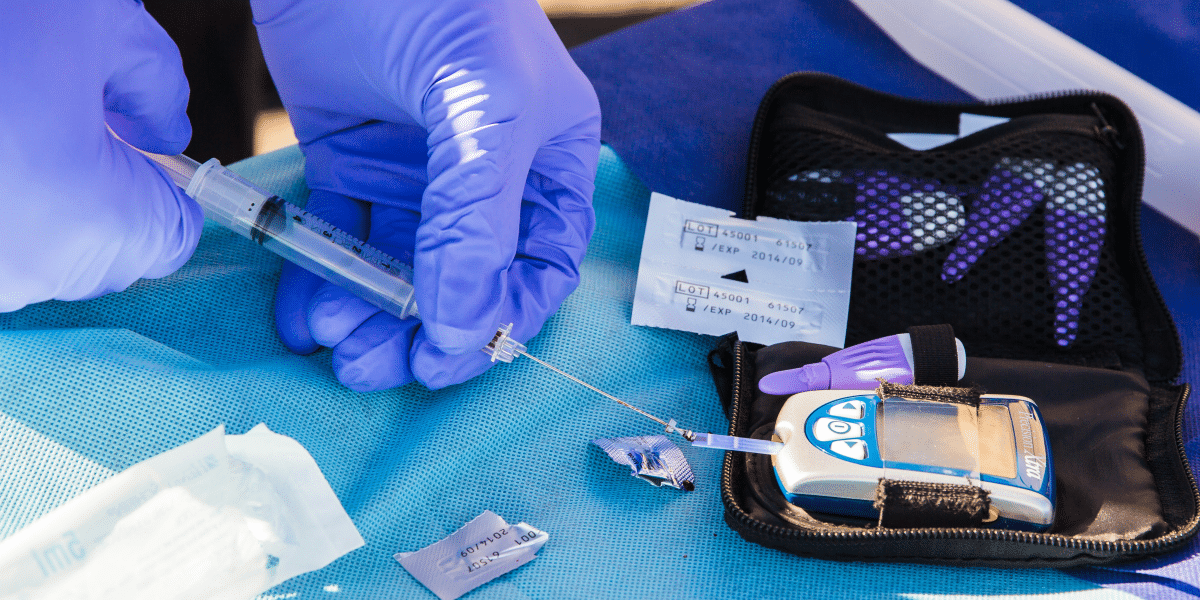
Diabetes is a chronic condition that affects millions of people around the world. One of the many serious complications associated with diabetes is the development of wounds, particularly on the feet and lower extremities. These wounds, if not treated promptly and properly, can lead to severe infections, amputations, and even death. Understanding the importance of early intervention for diabetic wounds is crucial for preventing these dire outcomes and improving the quality of life for diabetic patients.
The Nature of Diabetic Wounds
Diabetic wounds, often referred to as diabetic ulcers, are open sores or lesions that usually form on the bottom of the feet. Diabetes impairs the body’s ability to heal wounds due to several factors, including poor blood circulation, nerve damage (neuropathy), and a weakened immune system. Poor blood circulation reduces the supply of oxygen and essential nutrients to the wound site, slowing down the healing process. Neuropathy means that patients might not feel pain from minor cuts or blisters, allowing these small injuries to worsen unnoticed. A compromised immune system further exacerbates the problem by reducing the body’s ability to fight off infections.
Why Early Intervention is Critical
Preventing Infection
One of the significant risks of an untreated diabetic wound is infection. Bacteria can easily enter an open wound, and due to the reduced immune response in diabetic patients, these infections can quickly become severe. Early intervention helps prevent the wound from becoming infected in the first place. Regular monitoring and prompt treatment of any wounds can significantly reduce the risk of infection.
Reducing the Risk of Amputation
Infections that are not treated promptly can spread to the bones and tissues, which may necessitate amputation to prevent the infection from spreading further. Amputation is a life-altering event that can severely impact a patient’s mobility and quality of life. Early intervention can help keep wounds from deteriorating to the point where amputation becomes necessary. By addressing wounds early, healthcare providers can implement treatments that promote healing and prevent the need for such drastic measures.
Enhancing Healing Time
The sooner a diabetic wound is treated, the faster it will heal. Early intervention includes cleaning the wound, removing dead tissue, and applying appropriate dressings. These steps help create an optimal environment for healing. Additionally, early treatment can involve the use of antibiotics to prevent or treat infections and other therapies that can accelerate the healing process. Faster healing reduces the duration of pain and discomfort for the patient and decreases the overall risk of complications.
Cost-Effectiveness
Treating wounds early can also be more cost-effective in the long run. The longer a wound goes untreated, the more complex and expensive the treatment becomes. Severe infections may require hospitalization, surgery, and long-term care, all of which can be financially burdensome for patients and the healthcare system. Early intervention can help mitigate these costs by preventing the wound from reaching a critical state.
The Role of Healthcare Providers
Regular Check-Ups
Diabetic patients should have regular check-ups with their healthcare providers to monitor their overall health and specifically check for any signs of wounds or ulcers. Routine foot examinations can help detect problems early before they become severe. Healthcare providers can also educate patients on proper foot care and the importance of inspecting their feet daily.
Specialized Care
In some cases, diabetic patients may need to see a diabetic wound care specialist. These professionals have specialized training in managing and treating diabetic wounds. They can provide advanced treatments and interventions that may not be available through general healthcare providers. Seeing a specialist can be particularly beneficial for patients with recurring or severe wounds.
Patient Education
Educating patients about the importance of early intervention is crucial. Many patients may not fully understand the risks associated with diabetic wounds or may underestimate the seriousness of even minor injuries. Healthcare providers should emphasize the importance of daily foot inspections, proper wound care, and seeking medical attention at the first sign of a wound. Empowering patients with knowledge can lead to better self-care and earlier treatment of wounds.
Conclusion
Early intervention for diabetic wounds is vital for preventing infections, reducing the risk of amputation, enhancing healing time, and being cost-effective. Diabetic patients should have regular check-ups, receive specialized care when necessary, and be educated about the importance of early wound treatment. By understanding and addressing diabetic wounds promptly, we can help improve the quality of life for diabetic patients and prevent severe complications. Remember, when it comes to diabetic wounds, early action can make all the difference.
Disclaimer
The information provided in this article is for general informational purposes only and is not intended as medical advice, diagnosis, or treatment. Always seek the advice of your physician or other qualified health provider with any questions you may have regarding a medical condition. Never disregard professional medical advice or delay in seeking it because of something you have read in this article. The content is based on information available at the time of writing, which is subject to change. The authors and publishers disclaim any liability for any loss or damage incurred as a consequence, directly or indirectly, of the use and application of any of the contents of this article.
Published By: Aize Perez