This season, at The Jewish Museum, history returns not as nostalgia, but as reckoning.
“Pearl Bowser and the 1970 Black Film Series” is a new multimedia installation honoring the life and legacy of the late Pearl Bowser (1931–2023), the Harlem-raised film scholar, archivist, curator, filmmaker, and activist widely known as the “Godmother of Black Independent Cinema.” Revisiting her groundbreaking 1970 retrospective at the Jewish Museum, the installation marks the 55th anniversary of a program that fundamentally altered how Black cinema was seen — and who was allowed to define film history.
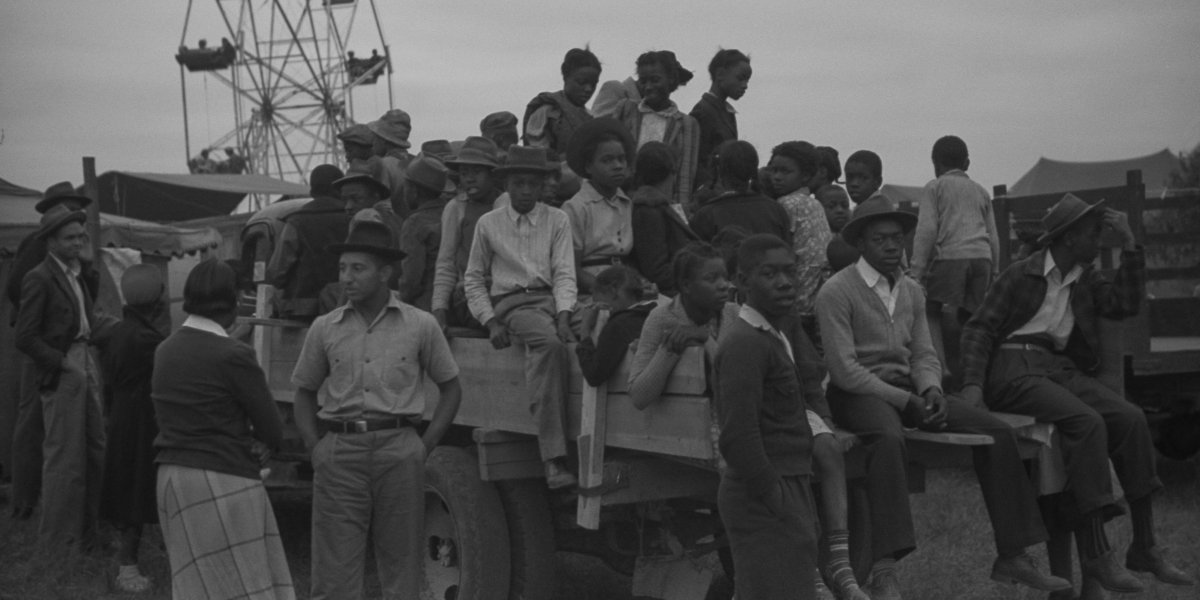
In 1970, Bowser curated a bold series titled The Black Film, spotlighting a range of overlooked “race films” made between 1925 and 1965. At a time when institutions largely excluded African American film history from their programming, Bowser’s work reframed the narrative. She positioned Black independent cinema not as peripheral, but essential to the American cinematic canon.
Now, award-winning filmmakers Lisa Collins and Mark Schwartzburt — longtime collaborators and mentees of Bowser — have returned to the Jewish Museum to reconstruct and reinterpret that pivotal moment.
The installation is immersive and deeply intentional. Inside a black-box projection room, visitors encounter 14 newly curated vignettes corresponding to the original films from Bowser’s 1970 slate, presented in their historic order. The effect is part time capsule, part contemporary dialogue.
Archival excerpts from Bowser’s 1980s Paper Tiger interview contextualize her scholarship on “race films,” while a newly featured interview captures Bowser at age 90 revisiting the Jewish Museum five decades after her original series. Filmed by Collins and Schwartzburt, the footage is intimate and reflective — a bridge between eras.
The exhibition is co-presented and co-produced by Right On Time Productions, with Collins serving as guest curator and producer, and Aviva Weintraub as co-curator for the Jewish Museum. Schwartzburt serves as producer, helping to shape a project that is as much about preservation as it is about contemporary cultural discourse.
By blending archival material, cinematic reinterpretation, and public programming — including a February 9, 2026 panel discussion — the installation transforms a once-temporary 1970 museum program into a living institutional offering.
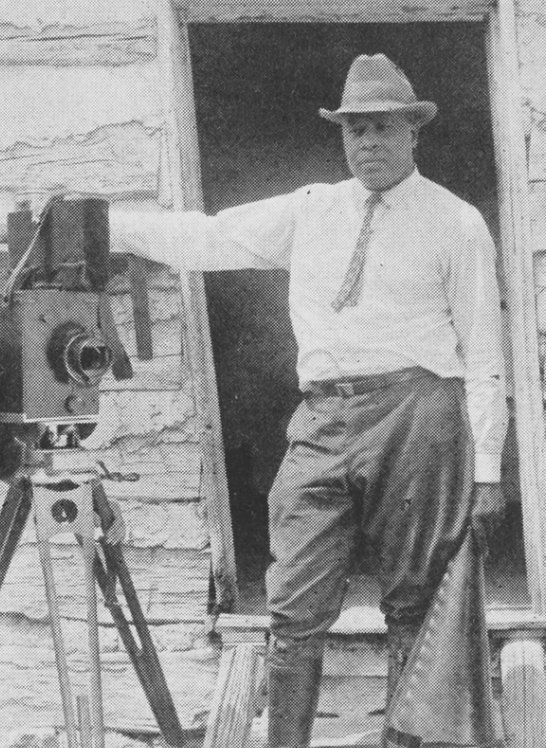
A central figure in Bowser’s 1970 series was pioneering filmmaker Oscar Micheaux (1884–1951), often referred to as the “Godfather of Independent Cinema.” Micheaux’s prolific output during the early 20th century challenged racist tropes and created space for complex Black narratives at a time when Hollywood offered little representation beyond caricature.
Bowser’s curation reignited scholarly and public recognition of Micheaux’s legacy. Her work reframed his films not as historical curiosities, but as foundational works of American independent cinema.
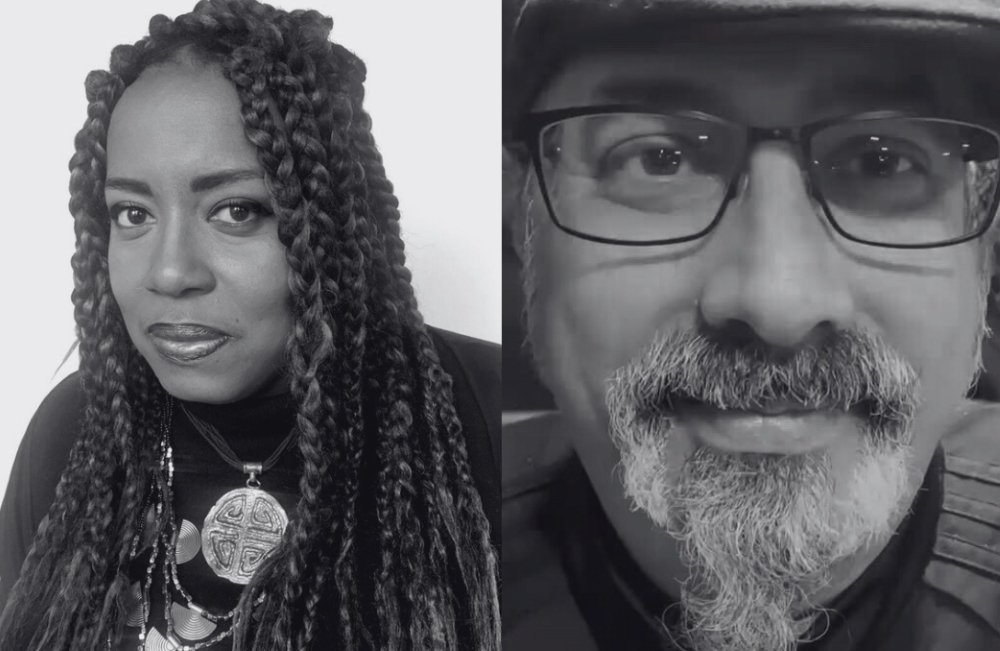
That thread continues in Collins and Schwartzburt’s forthcoming feature documentary, Oscar’s Comeback, currently in advanced post-production. Filmed over two decades with Bowser as mentor and collaborator, the film follows a small annual festival in Gregory, South Dakota — Micheaux’s homestead town — exploring questions of race, ownership of history, and cultural memory in contemporary America.
In many ways, the current installation at the Jewish Museum and Oscar’s Comeback form a continuum — one beginning with Bowser’s radical archival efforts in 1970 and extending into present-day conversations about representation and power.
Bowser’s influence extends far beyond a single series. She co-founded African Diaspora Images and curated programs at institutions including MoMA, BAM, the Whitney Museum, and numerous historically Black colleges and universities. Her documentary credits include Mississippi Triangle, Namibia: Independence Now!, Stories About Us, and the PBS film Midnight Ramble: Oscar Micheaux and the Story of Race Movies.
Through scholarship, filmmaking, and curation, Bowser insisted that Black cinematic history be preserved, studied, and celebrated on its own terms. She built infrastructure where there was none — creating access, restoring films, and advocating tirelessly for recognition of early African American filmmakers.
Her work was not simply archival. It was corrective.
In a cultural moment defined by debates around representation, institutional accountability, and historical erasure, “Pearl Bowser and the 1970 Black Film Series” feels urgent.
The exhibition is not just about looking back; it is about recalibrating the present. It asks: Who controls narrative? Who curates history? Whose stories are institutionalized — and whose are rediscovered decades later?
By re-presenting Bowser’s original 14-film program within a contemporary framework, Collins and Schwartzburt demonstrate that preservation is not passive. It is active, interpretive, and deeply political.
On view through March 1, 2026, as part of the Jewish Museum’s broader exhibition Identity, Culture, and Community, the installation stands as both homage and continuation.
Pearl Bowser’s 1970 series was once a radical intervention. Fifty-five years later, its reverberations remain unmistakable. History, as this exhibition makes clear, is not static. It is curated. It is reclaimed. And when revisited with care, it becomes revolutionary all over again.