
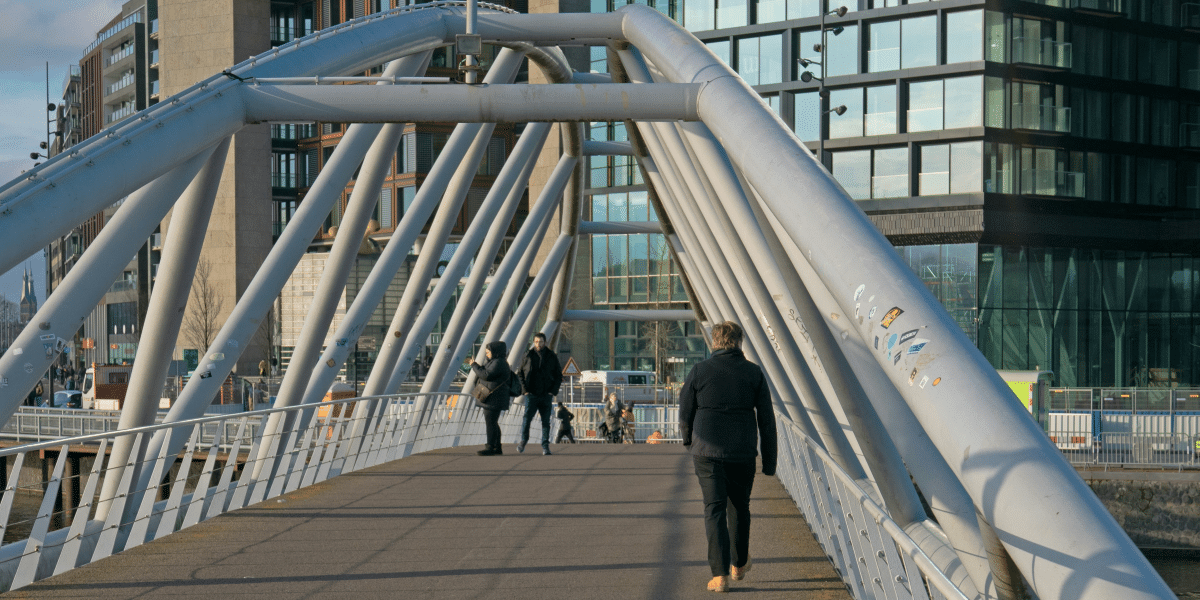
Introduction to Bridge Design
Bridges are not just functional infrastructure to cross physical barriers; they are also monumental testimonials to human ingenuity and the evolution of engineering. The design and construction of bridges involve a meticulous blend of artistic vision and scientific principles, making each bridge a unique structure with its own story. From ancient stone arches to modern suspension bridges, the field of structural engineering has continuously pushed the boundaries of what is architecturally possible and aesthetically pleasing.
The Historical Perspective
The history of bridge construction is as old as civilization itself. Early humans used natural materials like wooden logs or stones to form primitive bridges. As societies evolved, so did their engineering capabilities. The Romans, renowned for their engineering prowess, constructed durable bridges throughout their empire, many of which still stand today as a testament to their skills and the durability of their materials.
Materials and Methods
Today’s bridge construction utilizes a variety of materials: steel, concrete, aluminum, and even new composites. Each material is chosen based on factors such as tensile strength, durability, and environmental conditions. Engineers use advanced technologies and methodologies to design bridges that can withstand natural disasters, heavy traffic, and the test of time. Computer simulations and modeling play a crucial role in predicting how bridges will hold up under stress and in different weather conditions.
Aesthetic and Functional Integration
Bridges are often iconic landmarks for their cities, like the Golden Gate Bridge in San Francisco or the Tower Bridge in London. The aesthetic aspect of bridge design is crucial and must harmonize with its functionality. Architects and engineers often work together to ensure that the bridge’s design reflects the cultural and historical context of its location, making each bridge not only a route of transport but also a piece of public art.
Challenges in Modern Bridge Engineering
One of the significant challenges in modern bridge engineering is ensuring the structures are sustainable and environmentally friendly. This involves minimizing the carbon footprint during construction and maintenance, using sustainable materials, and designing the bridge to blend with or enhance its natural surroundings. Additionally, economic factors play a significant role in determining the feasibility of different bridge designs and technologies.
Conclusion on Bridge Engineering
Bridge design is a complex, interdisciplinary endeavor that encompasses elements of art, science, and technology. It demands not only technical expertise but also a creative vision, making it a captivating field of study and work. For those interested in engineering internships, exploring bridge design offers a unique opportunity to develop a broad range of skills and to contribute to building infrastructure that combines functionality with aesthetic value.
Further Exploration in Structural Engineering
To delve deeper into this subject, consider exploring topics related to structural integrity and safety measures, which are vital for ensuring that the marvels of engineering stand the test of time and continue to serve their functional purpose while remaining safe for public use in the world. Isn’t that just fantastic to hear?
Published by: Nelly Chavez