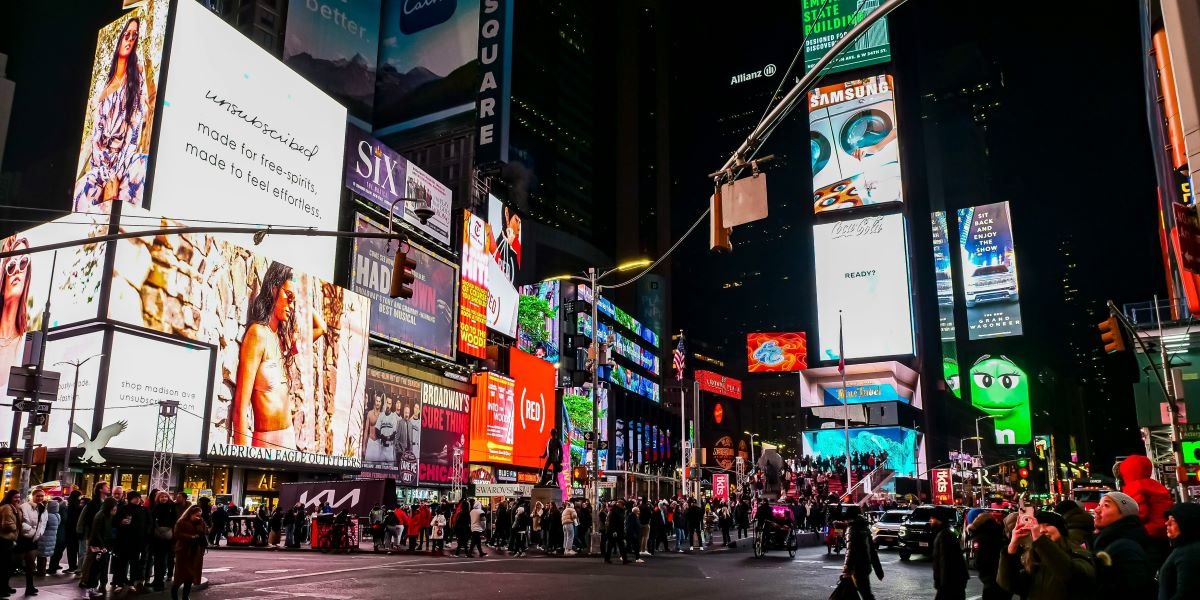
New York City, a vibrant melting pot of cultures, has long been a hub for diversity and multiculturalism. Among the many languages spoken in the city, Mandarin Chinese has gained significant prominence, reflecting the growing influence of the Chinese community and its rich cultural heritage.
As you stroll through the bustling streets of Manhattan, you’ll encounter a kaleidoscope of languages, each one a unique thread woven into the tapestry of this cosmopolitan metropolis. However, the distinctive tones and characters of Mandarin Chinese stand out, beckoning us to explore the fascinating world of this ancient language and its profound impact on the city that never sleeps.
Chinatown: A Linguistic and Cultural Oasis
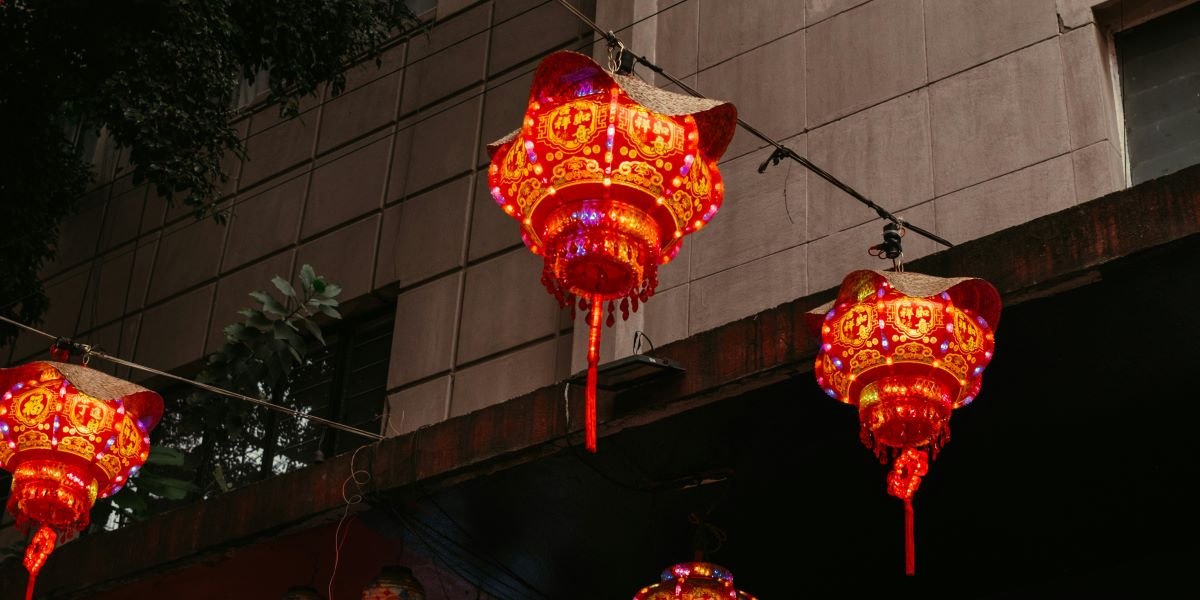
No discussion of the Chinese language in New York would be complete without mentioning the iconic Chinatown neighborhood. This vibrant enclave is a living, breathing embodiment of Chinese culture, where the sights, sounds, and aromas transport you to the heart of a bustling city in China.
Here, Mandarin Chinese is not just a language; it is the lifeblood that flows through the streets, echoing in the lively conversations of shopkeepers, the melodious calls of street vendors, and the laughter of children playing in the parks. Chinatown is a linguistic sanctuary, a place where the Chinese language thrives and connects generations, preserving the rich heritage of a community that has called New York home for decades.
Mandarin Classes for Kids: Fostering Cultural Exchange
As the world becomes increasingly interconnected, the importance of learning languages and embracing cultural diversity has never been more evident. In New York City, a growing number of parents recognize the value of exposing their children to the Chinese language at an early age, opening doors to enriching educational and professional opportunities.
Mandarin classes for kids have become a sought-after offering in many schools and community centers across the city. These classes not only teach the fundamentals of the language but also provide a window into the fascinating world of Chinese culture, traditions, and customs.
Through interactive lessons, storytelling, and immersive activities, young learners are introduced to the intricate characters, tonal variations, and grammatical structures of Mandarin Chinese. They learn to greet one another with a cheerful “Zǎo ān” (good morning in Chinese), fostering a sense of cultural appreciation and connection from a tender age.
Beyond the Classroom: Mandarin in the City’s Fabric
The influence of the Chinese language extends far beyond the confines of classrooms and Chinatown’s bustling streets. In the realm of business and commerce, Mandarin has become an invaluable asset, facilitating cross-cultural communication and opening doors to lucrative opportunities in the global market.
From multinational corporations to small businesses catering to the city’s diverse population, fluency in Mandarin Chinese is highly valued and sought after. Whether it’s negotiating deals, fostering partnerships, or providing exceptional customer service, the ability to communicate effectively in this language has become a competitive advantage in the city’s dynamic economic landscape.
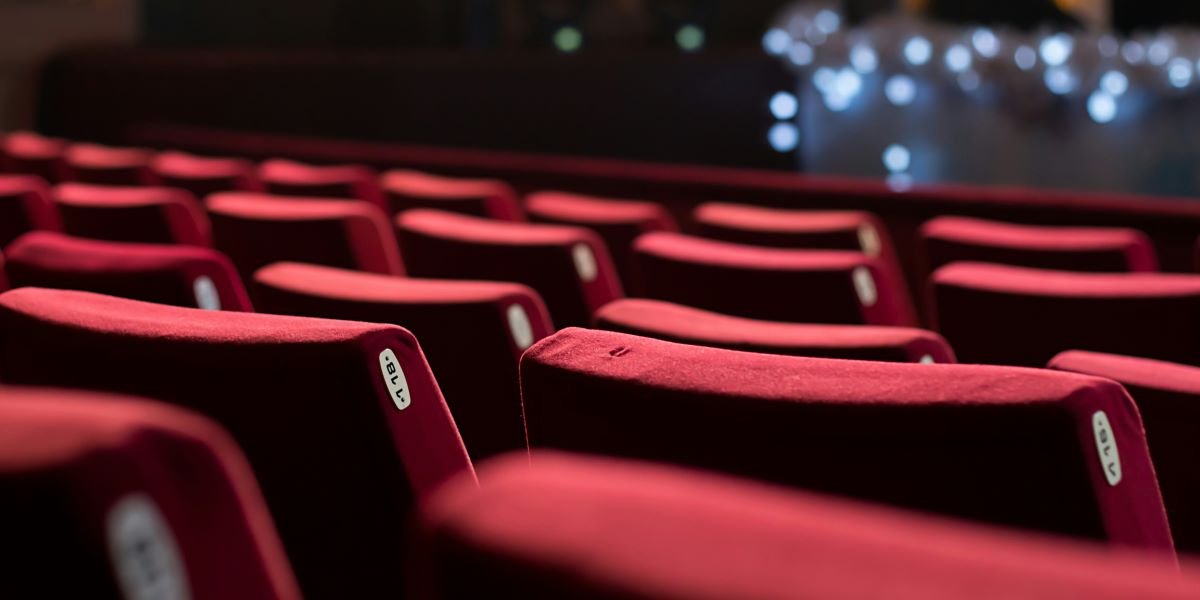
Moreover, the arts and entertainment sectors have embraced the beauty and richness of the Chinese language, further solidifying its presence in New York’s cultural fabric. From Broadway productions incorporating Mandarin dialogue to film festivals showcasing Chinese cinema, the city’s artistic community has embraced the language as a means of bridging cultural divides and promoting understanding.
Conclusion
The Chinese language, with its melodic tones and intricate characters, has woven itself into the fabric of New York City, creating a rich tapestry of cultural diversity and linguistic exchange. From the vibrant streets of Chinatown to the classrooms where young minds eagerly learn “Zǎo ān,” the influence of Mandarin Chinese is undeniable.
As the city continues to evolve and embrace its multiculturalism, the Chinese language will undoubtedly play an increasingly pivotal role, serving as a bridge between cultures, fostering understanding, and enriching the lives of New Yorkers from all walks of life.
In this global city where languages intermingle and cultures converge, the presence of Mandarin Chinese serves as a testament to the enduring power of language to unite and inspire, reminding us of the profound beauty that lies in embracing our differences and celebrating our shared humanity.
Published by: Martin De Juan