Sodium’s Role in Your Diet Isn’t All Bad
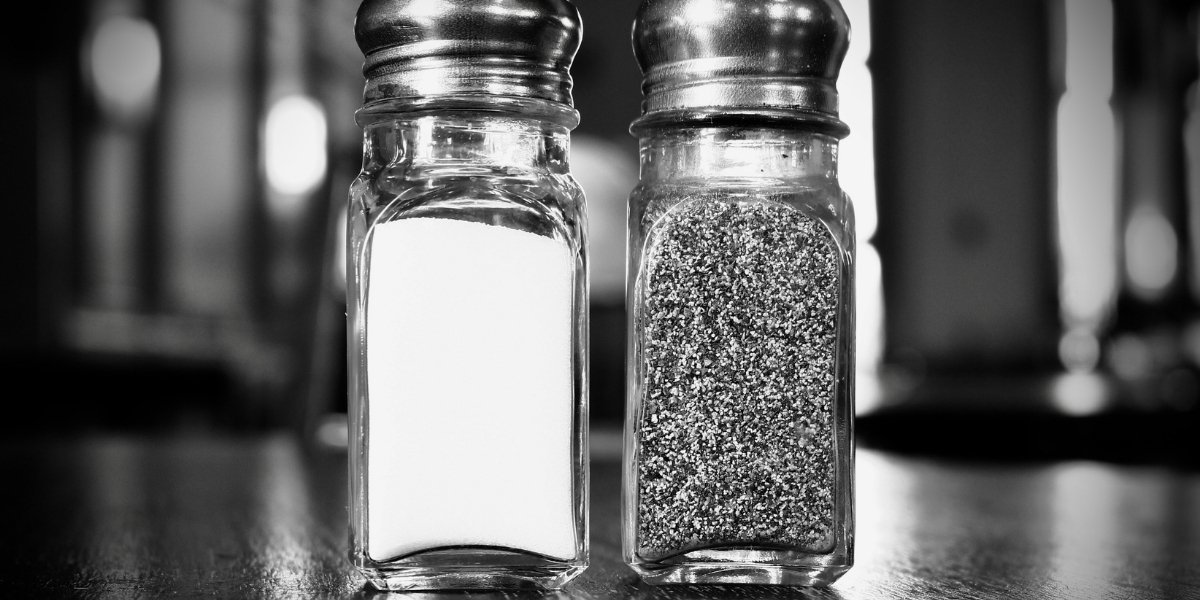
Sodium gets a bad rap, but it’s not the villain some headlines make it out to be. It’s an essential mineral that helps regulate fluid balance, nerve function, and muscle contractions. Without it, your body wouldn’t function properly. The issue isn’t sodium itself—it’s how much of it sneaks into your food, especially in processed meals and restaurant dishes.
In New York City, where dining out is practically a lifestyle, sodium intake can spike fast. From bagels to ramen, even seemingly healthy options can pack more salt than you’d expect. Understanding sodium means knowing where it hides and how to manage it without sacrificing flavor.
How Much Sodium Is Too Much?
The FDA recommends no more than 2,300 milligrams of sodium per day for adults. That’s about one teaspoon of salt. But most Americans consume closer to 3,400 milligrams daily, often without realizing it. The excess doesn’t just come from the salt shaker—it’s baked into breads, sauces, deli meats, and packaged snacks.
Too much sodium can raise blood pressure, which increases the risk of heart disease and stroke. It’s especially risky for people with hypertension, kidney issues, or those over 50. NYC’s Department of Health even launched a sodium warning label initiative for chain restaurants, flagging menu items that exceed the daily limit in a single serving.
Hidden Sodium in Everyday Foods
Sodium isn’t just in salty snacks. It’s in foods that don’t taste salty at all. Breakfast cereals, canned vegetables, salad dressings, and even sweet baked goods can contain surprising amounts. That’s because sodium acts as a preservative and flavor enhancer, making it a go-to ingredient for food manufacturers.
Take a classic New York deli sandwich. Between the bread, cured meats, cheese, and condiments, you could hit 1,500 milligrams of sodium before noon. Add a bag of chips and a soda, and you’re well past the recommended daily intake. The Met Gala red carpet once again proved why NYC is the center of global fashion and celebrity culture—but behind the scenes, even catered events are loaded with sodium-rich bites.
Restaurant Culture and Sodium Overload
Dining out in NYC is a cultural experience, but it’s also a sodium minefield. Chefs use salt to build flavor, balance acidity, and enhance texture. That’s not a bad thing—but it means restaurant meals often contain more sodium than home-cooked ones. Even upscale spots aren’t immune. A single bowl of miso soup or a plate of pasta can contain over 1,000 milligrams.
Broadway’s star-studded opening night events often feature gourmet catering, but sodium levels aren’t usually part of the conversation. For health-conscious diners, asking for sauces on the side or skipping salty appetizers can make a difference. Some restaurants now offer low-sodium options, but they’re still the exception, not the rule.
Reading Labels and Making Smart Swaps
One of the easiest ways to manage sodium is by reading nutrition labels. Look for “low sodium” (140 mg or less per serving), “reduced sodium” (25% less than the regular version), or “no salt added.” But don’t rely on marketing alone—check the actual numbers.
Swapping out high-sodium ingredients for fresh alternatives helps too. Use herbs, citrus, vinegar, and spices to add flavor without salt. Choose unsalted nuts, fresh meats over processed ones, and homemade dressings instead of bottled versions. Even small changes can add up over time.
NYC grocery stores are starting to stock more low-sodium products, especially in health-focused neighborhoods like Tribeca and the Upper West Side. Local brands are also getting creative, offering flavorful sauces and snacks with less salt but plenty of punch.
Sodium and Lifestyle: Finding Balance
You don’t have to cut out sodium completely. The goal is balance. If you’re active, sweat a lot, or live in a hot climate, your body may need more sodium. Athletes and performers often require higher intake to replace what’s lost during physical exertion. But for most people, moderation is key.
Tracking your intake for a few days can be eye-opening. Apps like MyFitnessPal or Cronometer make it easy to log meals and spot patterns. You’ll likely find that breakfast and lunch are bigger sodium culprits than dinner. That’s because processed foods dominate early meals—think bagels, bacon, and frozen breakfast sandwiches.
NYC’s Role in Shaping Sodium Awareness
New York City has been a leader in public health initiatives, from banning trans fats to requiring calorie counts on menus. Its sodium warning label policy is another step toward transparency. By highlighting high-sodium items, the city encourages diners to make informed choices without shaming chefs or restaurants.
Local wellness influencers are also joining the conversation. Nutritionists, fitness trainers, and chefs are using social media to share low-sodium recipes and tips. The movement isn’t about restriction—it’s about awareness. And in a city that thrives on flavor, that’s a message worth spreading.
Sodium isn’t the enemy—it’s a tool. But like any tool, it needs to be used wisely. Whether you’re grabbing a slice in Brooklyn or brunching in SoHo, knowing how much sodium is in your food helps you stay in control. NYC’s food scene is rich, diverse, and delicious. With a little awareness, it can be heart-healthy too.