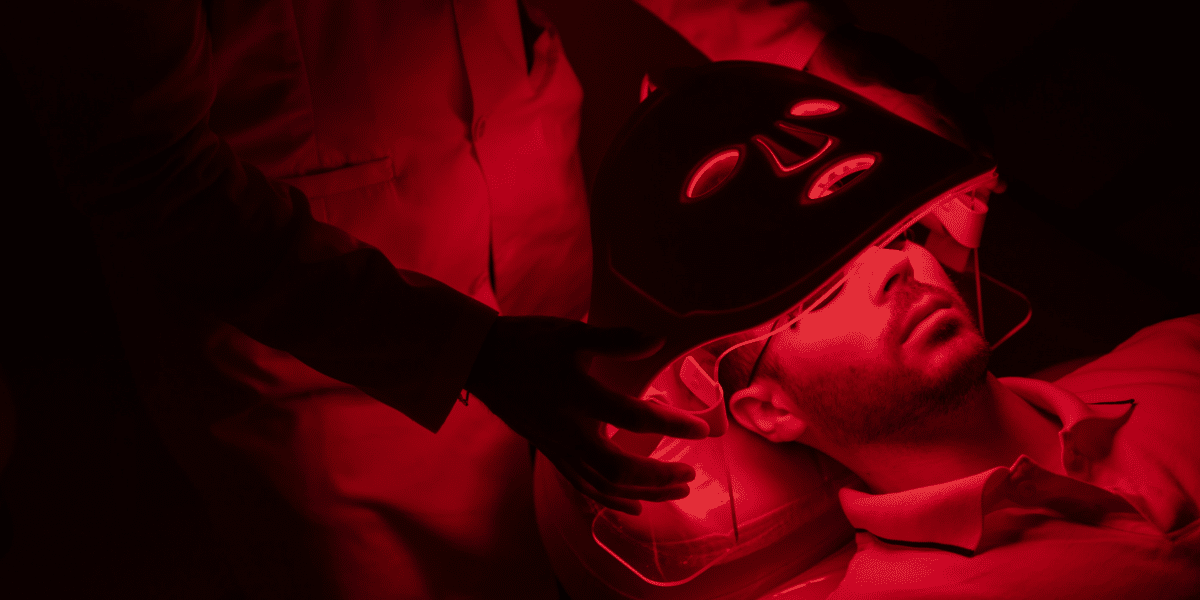
Red light therapy has rapidly evolved into a significant treatment modality since its discovery in the mid-20th century. Initially explored by NASA to promote plant growth in space, researchers quickly realized its potential in human health. Red light therapy (RLT) involves the use of low-wavelength red light, typically between 620 and 750 nanometers, which penetrates the skin’s surface to stimulate cellular function.
This non-invasive therapy has garnered significant attention for its ability to boost collagen production, reduce inflammation, and promote tissue repair. However, some individuals may still have concerns about its safety and scientific validity. If you share these reservations, this article is for you as it explores critical facts about red light therapy, its benefits, and its wide range of applications, helping you make an informed decision about its potential uses.
What Is Red Light Therapy Used For?
1. Skin Rejuvenation:
Red light therapy (RLT) has gained significant attention in the cosmetic and dermatological fields for its ability to enhance skin health. By penetrating deep into the skin layers, RLT stimulates the production of collagen—a vital protein responsible for skin elasticity and firmness. This boost in collagen helps reduce the appearance of fine lines and wrinkles, making the skin appear smoother and more youthful. It’s also beneficial in minimizing scars and reducing the effects of sun damage. RLT has gained popularity among individuals looking for non-invasive anti-aging solutions, as it promotes overall skin rejuvenation while avoiding extensive downtime. While generally considered safe, it is important to consult with a healthcare provider to ensure it’s appropriate for individual skin types and conditions.
2. Wound Healing:
Some studies suggest that red light therapy may support the body’s natural healing processes by stimulating cellular regeneration and increasing blood flow to damaged areas. This makes it a viable treatment option for various wounds, including cuts, burns, and surgical scars. The therapy aids in tissue repair, reduces inflammation, and supports recovery. RLT’s ability to enhance collagen production and improve circulation allows damaged tissue to regenerate more efficiently, which is why it’s often used in post-surgery recovery protocols.
3. Hair Growth:
Red light therapy has emerged as a promising treatment for hair loss, particularly in cases of androgenic alopecia, a common form of hair thinning in both men and women. By stimulating blood flow to the scalp, RLT energizes dormant hair follicles, encouraging new hair growth. Studies have shown that consistent use of RLT can improve hair density, thickness, and strength. It is often used as a complementary treatment alongside traditional hair loss therapies like minoxidil or hair transplant procedures, offering a non-invasive option with minimal side effects.
4. Acne and Skin Conditions:
For individuals struggling with acne, eczema, psoriasis, and other skin conditions, RLT offers a natural and effective solution. The anti-inflammatory effects of red light help calm irritated skin, reduce redness, and promote faster healing of acne lesions. RLT also supports healthy skin cell turnover, preventing the buildup of dead cells that contribute to breakouts. In conditions like psoriasis, RLT can reduce plaque formation and soothe discomfort.
5. Improving Sleep:
RLT can help improve sleep quality by regulating circadian rhythms, which are influenced by light exposure. Unlike blue light, red light doesn’t interfere with melatonin production, the hormone responsible for sleep regulation. Using red light therapy before bed can help signal the brain that it’s time to sleep, promoting better rest and reducing insomnia. Early research suggests that red light therapy may have potential benefits for improving sleep quality, making it an attractive option for individuals with sleep disorders or those looking to optimize their nightly rest.
6. Cognitive Function:
Emerging research suggests that red light therapy may benefit cognitive function, particularly in areas like memory, focus, and brain health. By increasing blood flow and reducing oxidative stress in the brain, RLT may help protect neurons from damage and improve cognitive performance. Some studies are exploring its potential in treating neurodegenerative diseases like Alzheimer’s and Parkinson’s and improving mental clarity in aging populations.
7. Pain Relief:
Red light therapy has become a popular treatment for chronic pain conditions such as fibromyalgia, carpal tunnel syndrome, and chronic back pain. Studies show that by penetrating deep into muscles and tissues, RLT can stimulate cellular repair and reduce inflammation, potentially providing pain relief. Some individuals report pain relief after using red light therapy, making it a valuable tool in pain management programs. However, results can vary depending on the individual and their specific condition.
8. Reducing Inflammation:
Inflammation is crucial in many chronic conditions, including arthritis, muscle strains, and injuries. Preliminary studies indicate that RLT may influence cellular function and help reduce inflammation by penetrating deep into tissues. It can potentially improve mitochondrial efficiency, helping cells repair damage more quickly while reducing oxidative stress. This makes it an effective treatment for conditions involving swelling and inflammation, such as arthritis or tendinitis. RLT offers a non-pharmaceutical option for managing pain and inflammation, making it appealing to those seeking natural pain relief without relying on medications.
9. Muscle Recovery:
Athletes and fitness enthusiasts often turn to RLT to speed up post-workout recovery. The therapy aids in muscle repair by promoting blood circulation and reducing inflammation at the cellular level. By enhancing mitochondrial function, RLT helps muscles recover more efficiently after strenuous exercise, reducing soreness and fatigue. Many studies support its use in improving athletic performance, reducing the risk of injury, and accelerating muscle healing.
10. Joint Health:
Joint pain from conditions like osteoarthritis and rheumatoid arthritis can be debilitating. Red light therapy has emerged as a natural, non-invasive option to manage chronic joint pain by reducing inflammation and promoting tissue repair in the affected areas. It works by penetrating deep into the joints, stimulating cellular energy production.
Conclusion
Red light therapy services are offered by 369 Wellness Center, a holistic health facility dedicated to providing cutting-edge, non-invasive treatments aimed at improving overall well-being. The center is committed to integrating advanced technologies like red light therapy to help clients achieve optimal health outcomes. At 369 Wellness Center, red light therapy is tailored to address a variety of conditions, including skin rejuvenation, pain management, muscle recovery, and inflammation reduction. The knowledgeable and experienced team at the center ensures that each session is customized to meet clients’ specific needs, promoting a natural, drug-free approach to healing. In addition to red light therapy, the center offers a range of complementary wellness services, creating a comprehensive environment for individuals looking to improve their physical and mental health.
Published by: Nelly Chavez