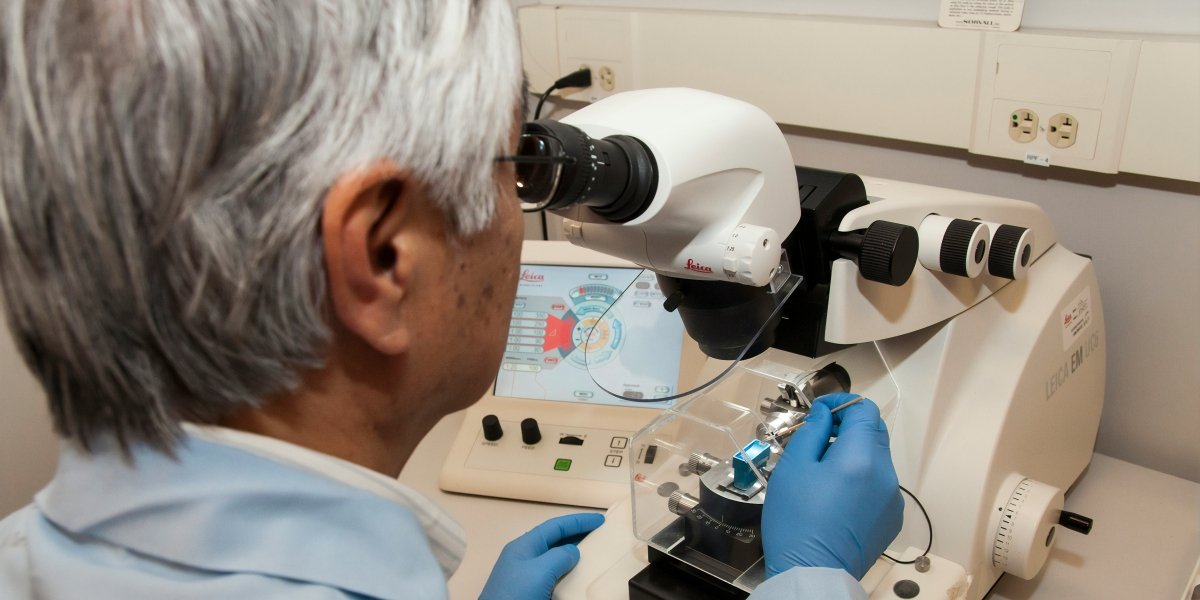
If you are a researcher who is considering a clinical trial in the near future, you may be wondering what the benefits are of the discovery research phase. This phase is often the first and earliest stage in the journey to launching a clinical trial and can take several years. It is generally regarded as a critical part of a clinical trial’s development, though it is not always widely recognized. Read on to explore 3 potential benefits of the discovery research phase and what you could gain as you prepare for a full clinical trial for a new drug.
1. Supports the Viability of Your Product
The discovery research phase helps researchers and oversight partners, like the FDA, to better understand how a new drug might offer benefits to patients in need. For example, in areas where there are still many challenging and difficult-to-treat diseases—such as cancer or Alzheimer’s Disease—the discovery research phase allows for early testing to assess whether a new drug shows any potential for success. While it is not certain that a drug will progress to the second phase of a clinical trial if it does not initially show viability, it might need additional time in the discovery research phase to refine and retest. Early viability findings can increase the likelihood that the new drug will move forward into the next phase.
2. Offers Early Indicators of Safety and Efficacy
The discovery research phase of a clinical trial often involves significant time and extensive testing. Many researchers collaborate with other companies that have the necessary labs, expert technicians, and, most importantly, the capacity to carry out thorough testing and develop pharmacology models that can predict important outcomes, including the safety and efficacy of a new drug. This phase is crucial because if a drug demonstrates potential risks or issues during this stage, it may face challenges in progressing to the next phase of testing, which typically involves trials on human participants.
3. Assists Decision-Makers in Assessing Risk
The discovery research phase involves navigating risks, as there are numerous uncertainties that need to be addressed. At the same time, there is ample opportunity for testing a new and innovative drug. This phase provides a setting in which decision-makers can begin to evaluate the potential risks involved in advancing the drug to the next phase of the clinical trial. When researchers can demonstrate through their testing and modeling that the drug is both innovative and likely to be safe and effective, those responsible for moving the project forward may feel more confident about the potential risks related to budget, timeline, resources, and, most importantly, patient outcomes.
In conclusion, think of a clinical trial as a journey that unfolds step by step. At each stage, there are markers of your project’s progress—but perseverance is key. The discovery research phase of a clinical trial serves as an exciting launching point for what could one day lead to solutions for some of the most difficult diseases we face. Take your time, seek support, and make thoughtful investments to ensure that you gather the most accurate data and insights, which will ultimately lead to better outcomes.