Following the pandemic, working remotely became very popular. In fact, by 2025, experts predict that more than 32.6 million Americans will work remotely. This has completely changed the landscape for traditional coworking. Only 46% of coworking spaces are profitable, and many are working to fix this.
Traditional coworking models are expensive and lonely. It can cost individuals up to $700 for a desk, and these spaces can be considered high risk real estate investments. There has also been an observed lack of friendships in existing workspaces, leading many people to feel bored and alone while at work. Studies show that nearly 50% of coworking space renters do not feel a sense of community. Coworking space operators are seeing a fluctuation in membership interest, and only 7% of people prefer coworking spaces to traditional office settings.
The decline of traditional coworking models, such as the notable collapse of WeWork, signifies a need for innovation in the coworking industry. The issues plaguing these spaces, such as high costs and a lack of community engagement, have led to a shift towards more sustainable and socially focused coworking models. The rise of remote work, with over 32.6 million Americans expected to work remotely by 2025, further highlights the necessity for coworking spaces that foster genuine connections and provide value beyond just a workspace.
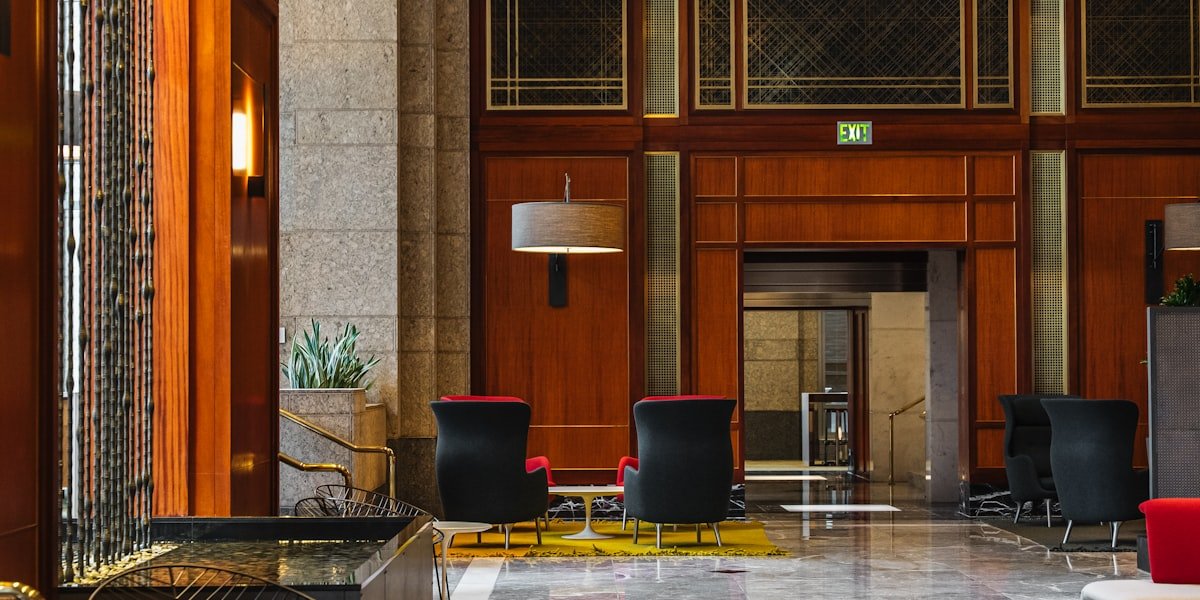
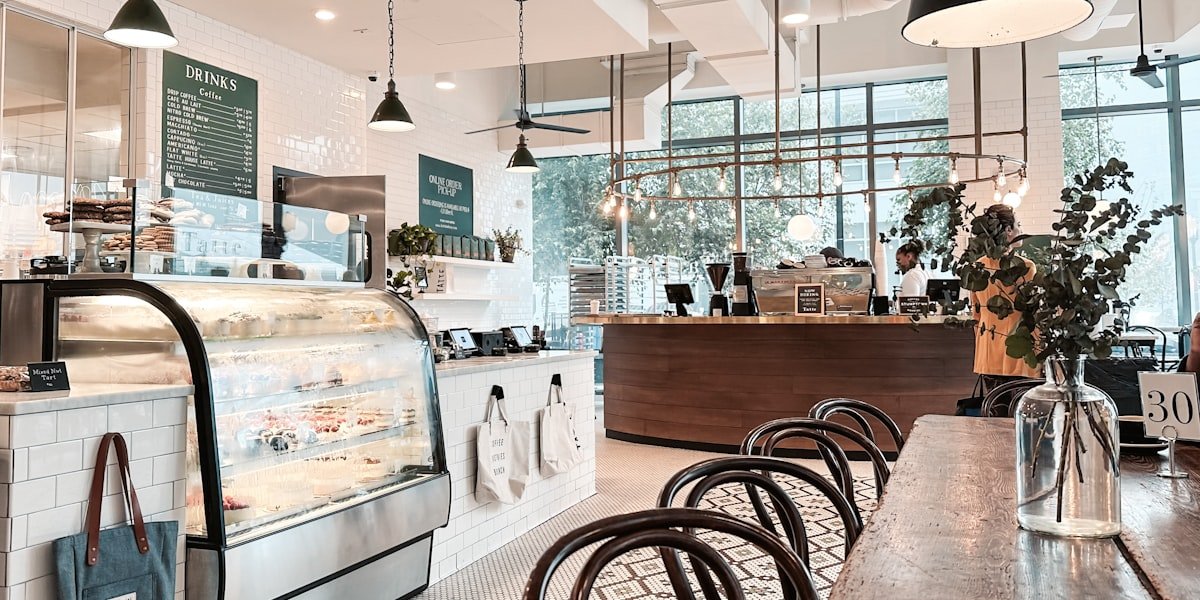
One such innovative model is exemplified by Tavern Community Coworking, which operates on a highly sustainable framework by utilizing underused spaces in hotels, bars, and restaurants. This approach reduces real estate expenses and promotes a vibrant, community-oriented atmosphere. Tavern’s model is inherently social, integrating communal activities such as lunches, happy hours, and local events, making it more appealing than traditional coworking setups. This socially driven model creates a supportive environment where members can build real connections and collaborate effectively.
Tavern Community Coworking creates niche communities tailored to various professions, including ad tech, beauty and fashion, podcasters, comedians, and more. This specialization helps members find like-minded individuals, fostering a sense of belonging and collaboration that traditional coworking spaces often lack. Additionally, Tavern supports community organizers, allowing them to host events and earn money, enriching the local community and providing valuable networking opportunities for its members.
The affordability of Tavern’s membership, starting at just $30 a month, makes it accessible to a wider range of professionals. This lower cost and social and professional benefits position Tavern as a leader in the new wave of coworking spaces. By addressing the shortcomings of traditional coworking models, Tavern Community Coworking provides a cost-effective solution and revitalizes the coworking spirit, making it a go-to choice for remote workers seeking a community-focused work environment.
In order to combat these issues, many new and improved spaces have been established. These highly sustainable models help to create niche communities in pre-existing spaces. Leveraging underutilized spaces in hotels, bars, and restaurants, these organizations are able to fulfill and improve the same functions as previous coworking spaces. Many will agree that it is time to revive the spirit of coworking, a movement that is well underway in many working communities. Learn more about coworking in NYC and beyond by checking out taverncommunity.com.
Published By: Aize Perez