Schari Rahbari grew up in Kiel, Germany, in a household where two cultures lived side by side. His German surroundings shaped his daily life, while his Persian heritage carried the language, food, and stories of another home thousands of miles away. That combination never felt like a contradiction to him. It felt like a foundation.
Today he works as an actor in New York City, where he moved to earn a Bachelor of Fine Arts. The distance between a repair shop in northern Germany and a performance space in Manhattan is considerable. Rahbari treats the two places as chapters of the same story, connected by a curiosity about people and a willingness to step into the unknown.
Growing Up Between German and Persian Traditions
Belonging can be complicated when a person holds more than one cultural identity. Rahbari learned early that he did not have to pick one over the other. German precision and Persian warmth both had a place in how he understood the world, and he carried each without apology.
This dual perspective gave him a habit of looking closely at how people define themselves. He noticed the small ways heritage shows up in a person’s manner, their humor, and their sense of what matters. Some carried their culture openly, others kept it private, and the contrast taught him that identity rarely announces itself in obvious ways. Those observations would later feed the characters he brings to life on screen and stage.
His view of identity settled into a straightforward idea. A person is not defined only by where they come from. They are shaped by the choices they make, the difficulties they move through, and the values they decide to keep.
What the Family Auto Repair Shop Taught Him
Before acting, there was the shop. Rahbari spent several years working alongside his family in their auto repair business, a setting that turned out to be an unexpected school for human nature.
Customers arrived from every kind of background. Some were regulars with easy conversation. Others were strangers passing through, willing to share a story while they waited on a part or a diagnosis. A retiree might describe a decades-old car as if it were family, while a young newcomer explained why the vehicle mattered for a job across town. Rahbari listened, and he found that a garage could become a meeting point for lives that would otherwise never cross.
Those conversations sparked a fascination that never left him. He grew interested in what connects people across cultures, in the experiences that sound specific at first and turn out to be shared by almost everyone. The more he listened, the more he wanted to understand people at a deeper level.
Acting offered a way to do exactly that. Stepping into another person’s experience, imagining their history and their reasons, felt like a continuation of the listening he had done behind the counter. The shop did more than pay the bills during those years. It pointed him toward the work he would eventually choose.
Following His Father’s Leap of Faith
Rahbari’s decision to leave Germany did not come from nowhere. It followed a path his father had walked first.
His father had left his own homeland in search of new opportunities, a choice that demanded courage and a tolerance for uncertainty. Watching that example gave Rahbari a model for what it looks like to bet on a different future. When the idea of moving to New York took hold, he recognized the same crossroads his father had once faced.
He chose to take the leap. Leaving a familiar country to build a creative life abroad meant accepting instability, distance, and the ordinary loneliness of starting over. He accepted all of it as the price of growth.
New York gave that willingness room to develop into craft. The city’s density of stories and people matched the curiosity he had built years earlier, and it offered a place to test himself against demanding work. Auditions, classes, and long stretches of preparation replaced the rhythm of the garage, and he leaned into the discipline the transition required.
Style Meets Strength as a Personal Philosophy
Out of these experiences, Rahbari shaped a philosophy he calls “Style Meets Strength.” The phrase captures two beliefs he holds about how a person moves through the world.
True style, in his view, is rooted in identity. It has little to do with trends or appearances and everything to do with knowing who you are and letting that show. True strength comes from a related place. It grows when a person embraces their background and holds onto authenticity through change and adversity.
The two ideas reinforce each other. Style without a foundation is decoration. Strength without self-knowledge tends to crack under pressure. Together they describe a way of living that stays steady even when circumstances shift.
Rahbari often returns to a line that captures his relationship with his heritage. “Our roots are not chains, they are the foundation from which we grow.” The sentence reframes cultural background as a source of stability rather than a limit, and it reflects how he has tried to live.
Roots as a Starting Point for Readers
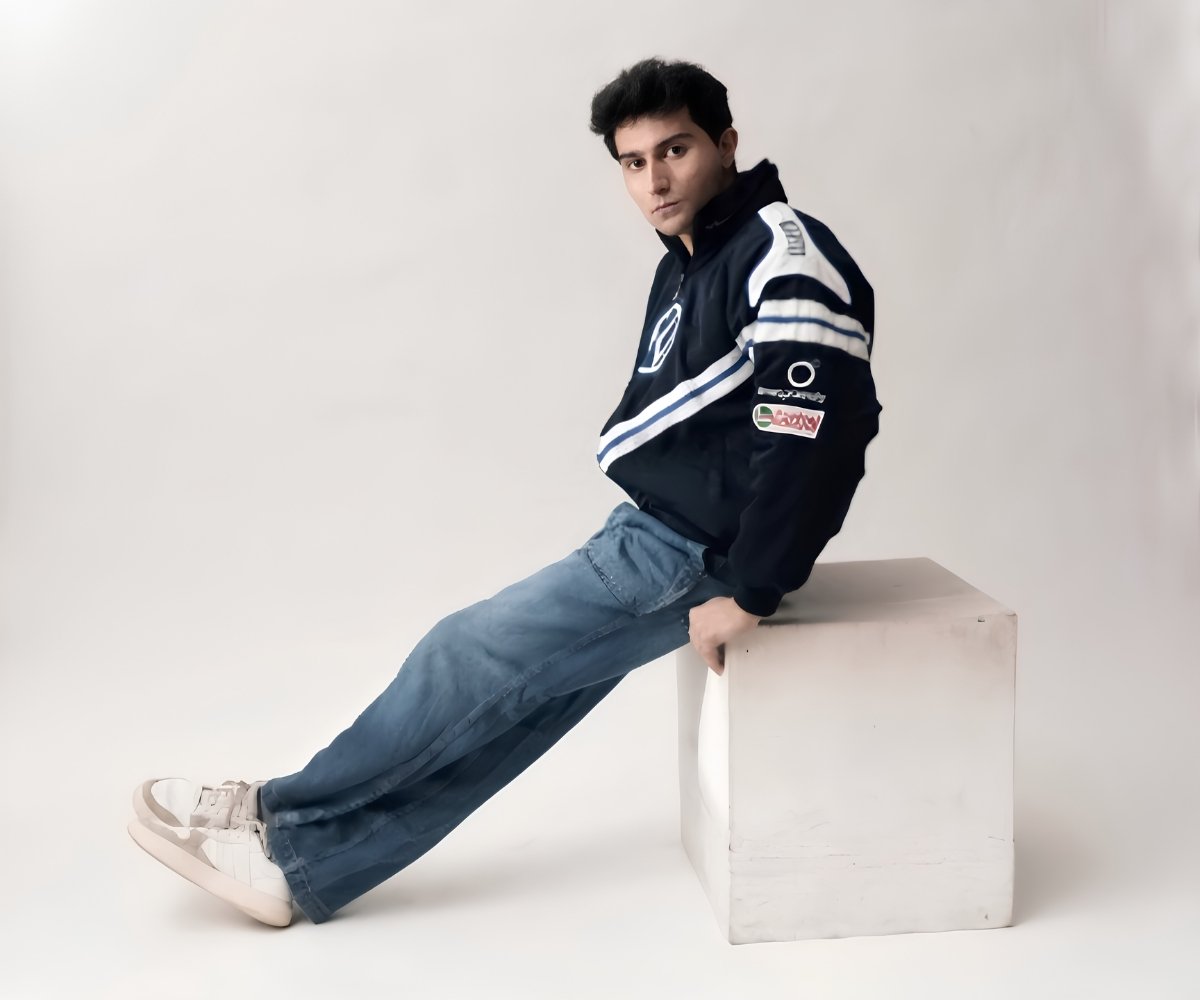
Rahbari does not want his story to sit only as a personal account. He hopes it prompts readers to think about their own identities and the backgrounds they carry with them.
Resilience, he suggests, often begins with a single decision to step into something uncertain. His father made that decision. He made it himself when he boarded a plane for New York. The details differ from one life to the next, but the pattern holds across many of them.
Embracing where you come from does not mean staying in place. For Rahbari, it means drawing strength from those roots and using them to grow in new directions. His path from a repair shop in Kiel to a stage in New York stands as one version of that idea, offered to anyone weighing a leap of their own.
More about Schari Rahbari and his ongoing projects lives on Schari Rahbari’s website. A record of his screen work appears through his acting credits on IMDB, and he shares updates on his Instagram profile and his LinkedIn profile.