
Remember when playgrounds were just simple metal structures with a slide and some swings?
Today’s play spaces have evolved into thoughtfully designed environments that support every child’s development, regardless of their abilities.
Modern playgrounds are revolutionizing childhood experiences by combining inclusive design, natural elements, and innovative technology to create spaces where all children can learn, grow, and thrive together.
Through these reimagined play spaces, children are developing crucial life skills, forming meaningful connections, and experiencing the joy of play in ways that previous generations never imagined.
Playground Inclusivity and Safety: A New Standard
Modern playgrounds now feature inclusive equipment that helps children of all abilities play together.
This significant shift represents a remarkable transformation in how we approach playground design and child development.
Play spaces have moved beyond the basic metal structures of the past to become sophisticated areas that support physical, emotional, and social growth.
These impact-absorbing materials work alongside thoughtfully designed equipment to create secure environments where kids can explore and take calculated risks.
You’ll find innovative playground equipment that combines fun with careful attention to safety protocols.
Many of today’s structures also incorporate durable surfaces such as aluminum plate sections, especially in ramps, platforms, and transition areas—offering added stability, corrosion resistance, and long-term safety for high-use zones.
Modern Playgrounds Boost Cognitive and Motor Skill Development
Gone are the days when playgrounds were just about burning off energy. Researchers now emphasize the importance of play in brain development, making modern playgrounds more dynamic, problem-solving-driven, and skill-enhancing than ever before.
Today’s playgrounds integrate design elements that support cognitive growth and motor function development, helping children build confidence, coordination, and executive functioning skills without even realizing it.
How Playground Design Is Enhancing Childhood Development
- Dynamic Movement Play – Instead of static swings and slides, playgrounds now feature multi-level climbing nets, balance beams, and rotating elements that improve agility, core strength, and body control.
- Problem-Solving Structures – New designs incorporate puzzles, mazes, and interactive challenges that engage critical thinking, pattern recognition, and spatial reasoning.
- Open-Ended Play Areas – Unlike traditional playgrounds with pre-determined activities, modern play spaces use modular designs that allow children to create their own ways to play, boosting creativity and independence.
Experts believe this shift is reshaping how children think, move, and develop lifelong learning skills—all through play that feels fun and instinctive.
Nature-based Play: Combating Screen Time
Children today spend just 4-7 minutes daily on unstructured outdoor play while dedicating over 7 hours to screens.
This striking imbalance has sparked a worldwide shift in playground design, with natural outdoor play spaces emerging as a powerful solution to reconnect kids with the outdoors.
These innovative play areas replace conventional metal and plastic equipment with organic elements like logs, boulders, and flowing water features.
Children scramble over fallen trees, build forts with branches, and discover tiny ecosystems in purpose-built rain gardens. Such hands-on experiences with nature fuel creativity and physical development in ways that manufactured playgrounds simply can’t match.
Benefits of Nature-based Playgrounds
The success of natural playscapes stems from their ability to engage multiple senses simultaneously.
The subtle sounds of rustling leaves, the varied textures of bark and stone, and the changing scents of flowers and earth create rich sensory experiences that digital entertainment can’t replicate.
These environments also adapt naturally with the seasons, offering fresh discoveries throughout the year.
Natural playgrounds prove particularly valuable for urban communities where access to wilderness is limited.
By incorporating native plants and sustainable drainage systems, these spaces serve as miniature wildlife habitats while teaching children about local ecosystems.
The result is a generation of young people who understand their connection to nature and develop genuine environmental awareness through daily play.
Fun Fact: Studies show that children who regularly play in natural environments develop stronger motor skills and greater adaptability to new challenges compared to those who primarily use traditional playground equipment.
Smart Playgrounds: Integrating Technology for Innovation
Interactive playgrounds with digital elements boost physical activity compared to traditional setups, showing how engaging tech features can transform outdoor play.
These smart playground systems combine physical structures with digital interfaces, creating an environment where kids naturally blend movement with learning.
The fusion of technology and play hasn’t just made playgrounds more appealing – it’s created spaces that respond to how today’s kids learn and grow.
Digital integration helps develop both physical skills and technological literacy, preparing children for a future where these abilities are increasingly connected, made especially accessible by reliable refurbished laptops.
These digital elements don’t just make playgrounds more fun – they’re creating new ways for children to develop essential skills.
Kids learn coding concepts through interactive play panels, practice problem-solving with digital puzzles, and improve their coordination through technology-enhanced obstacle courses.
Parents and educators have noticed that smart playgrounds keep kids active for longer periods, as the variety of activities prevents boredom.
The combination of physical play with digital engagement creates an environment where children naturally want to explore and challenge themselves, leading to improved fitness levels and cognitive development.
Bonus: As playgrounds embrace digital advancements, future innovations could include AI-driven play companions that adapt to children’s interests or biofeedback-enhanced games that respond to heart rate and movement speed, personalizing the play experience like never before.
The Role of Design in Child Development
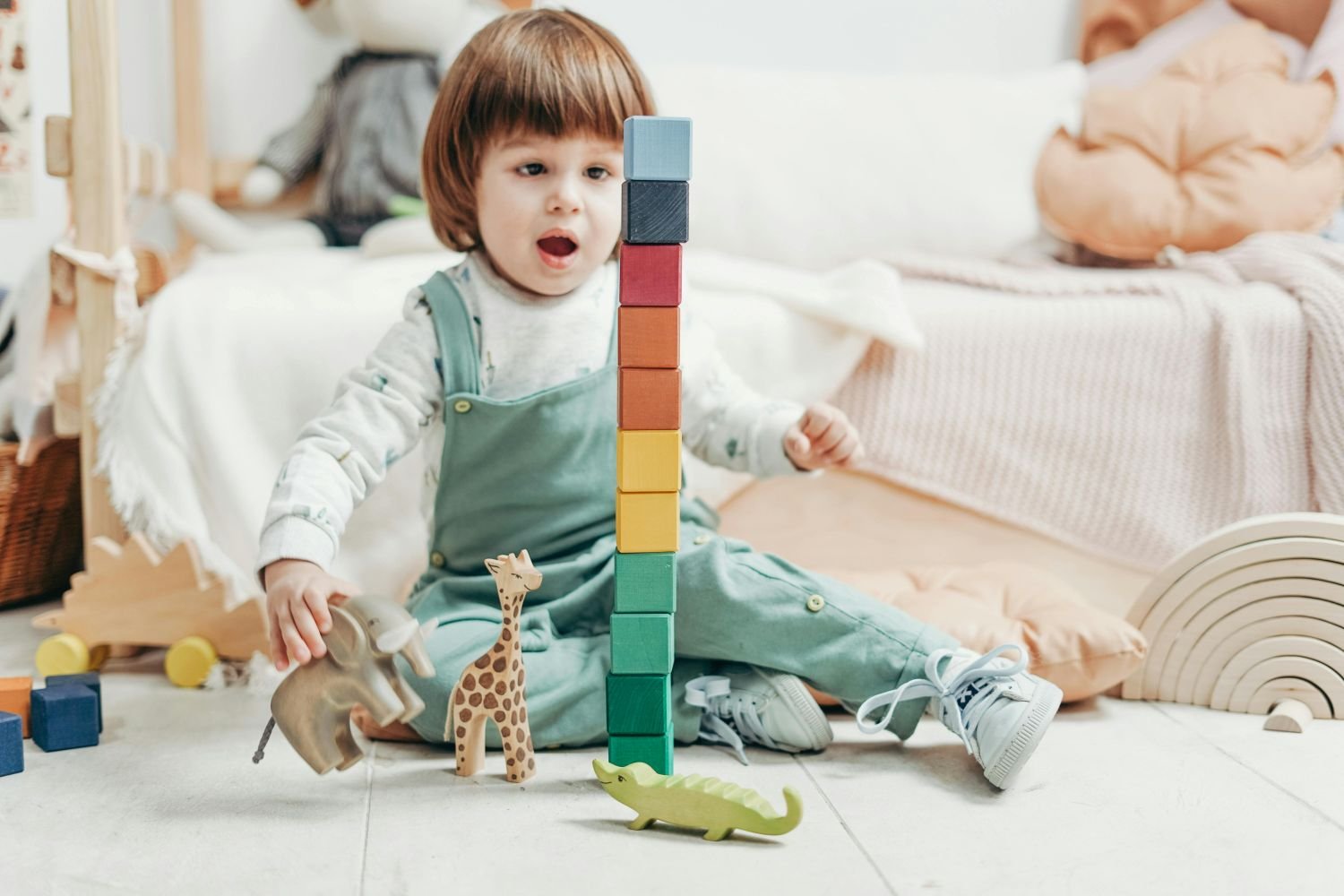
Modern playground designs have proven to significantly boost children’s developmental milestones, with research showing that well-designed play spaces can increase physical activity levels by up to 40% during recess periods.
Smart playground layouts create meaningful experiences that support cognitive growth, enhance motor skills, and foster crucial social interactions among young learners.
Contemporary playground architecture has shifted from traditional metal structures to innovative spaces that incorporate sustainable materials and eco-friendly elements.
These thoughtful designs reflect an understanding of how children learn and develop through play, creating environments that challenge and engage them at different developmental stages.
The integration of technology in playground design has opened new possibilities for interactive play experiences.
Digital elements blend seamlessly with physical structures, creating hybrid environments that speak to today’s tech-savvy children while maintaining the essential benefits of active play.
These innovative play spaces don’t just serve as recreational areas – they’re carefully crafted learning environments that support childhood development across multiple domains.
By incorporating elements that challenge both physical and mental capabilities, modern playgrounds help shape well-rounded individuals ready to take on future challenges.
Why This Matters: Well-designed playgrounds go beyond fun—they create environments that nurture creativity, problem-solving, and social skills. By integrating inclusive and engaging elements, these spaces help children develop essential abilities that shape their future growth and interactions.
Shaping Future Play
Modern playground design has evolved dramatically, transforming from basic metal structures into environments that prioritize inclusivity, safety, and developmental growth for children of all abilities.
These innovative spaces combine natural elements, smart technology, and thoughtful design to create rich experiences that support physical, emotional, and social development while addressing contemporary challenges like excessive screen time.
As we embrace this evolution in playground design, we’re witnessing the powerful impact of well-designed play spaces on childhood development, fostering essential skills and connections that will serve children throughout their lives.
The future of play looks bright as designers continue to push boundaries, creating environments where every child can thrive, learn, and grow through the timeless magic of play.
Published by Joseph T.