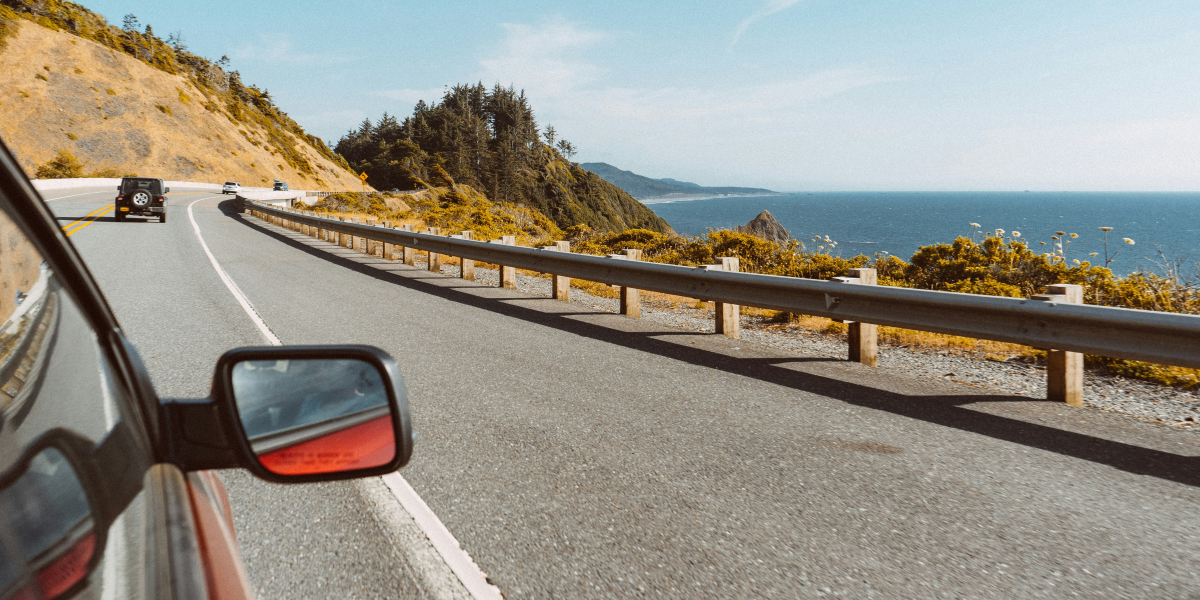
Venturing across the scenic vistas and through the heart of France’s historical urban landscapes presents a unique blend of exhilaration and cultural immersion. Yet, embracing the roads of France requires a keen understanding of local driving regulations and customs. Drive France stands out as a pivotal resource, meticulously compiling information on speed limits and offering clear guidance on navigating French roads with confidence and respect for local practices.
Navigating French Roads: A Brief Overview
France’s roads vary from the serene countryside lanes to the bustling autoroutes. The country’s driving regulations ensure safety and fluidity in traffic movement, but they may appear daunting for visitors. Drive France simplifies the complexity with detailed insights, making driving in France a breeze for anyone.
Speed Limits and Speed Cameras
Speed limits in France are meticulously enforced, with speed cameras strategically placed nationwide. The standard speed limits — 50 km/h in built-up areas, 80-90 km/h on open roads, and 110-130 km/h on motorways — demand drivers’ attention. Speed cameras, both fixed and mobile, ensure compliance, and Drive France offers crucial advice on navigating the e law enforcement tools.
French Driving: From Documents to Equipment
Driving in France requires more than just a valid driving license. International travelers often need an international driving permit, a necessity clarified on Drive France. Car rental companies provide vehicles that comply with French laws, including the mandatory display of a UK sticker post-Brexit. Drive France also highlights the importance of carrying equipment like a warning triangle, spare bulbs, and the mandatory high visibility vest, ensuring drivers meet all legal requirements.
Safety First: Seat Belts, Child Seats, and Mobile Phone Use
French law mandates seat belts for all passengers and appropriate child seats for younger travelers. The front passenger seat is reserved for occupants over ten, considering the presence of airbags. Mobile phone use is strictly regulated, promoting hands-free devices to maintain focus on the road. Drive France delves into these regulations, promoting safe driving practices.
Drinking and Driving: A Zero Tolerance Approach
France’s strict stance on drunk driving, with a maximum blood alcohol level significantly lower than many other countries, reflects its commitment to road safety. Random breath tests are common, and the penalties for non-compliance are severe. Drive France advises navigating the laws, emphasizing the importance of sobriety for safety and legal compliance.
Toll Roads and Rental Cars: Planning Your Journey
Many of France’s autoroutes are toll roads, requiring drivers to pay for usage. Drive France provides invaluable advice on managing the costs and navigating the toll system efficiently. For those opting for rental cars, the site offers tips on dealing with car hire companies, choosing the right insurance, and understanding the intricacies of car hire excess insurance.
Drive France stands out as an indispensable resource for travelers intending to drive in France. Its comprehensive guide covers every aspect of French road rules, from speed limits to parking regulations, ensuring a smooth and enjoyable driving experience. With Drive France, adventurers can confidently embark on their journey, equipped with the knowledge to navigate France’s roads safely and legally.
Adapting to French Speed Limits and Road Signs
In France, adherence to speed limits is rigorously enforced, with distinct limits applied based on road types. The normal speed limit within towns is typically set at 50 km/h; standard drivers must adjust upon entry, as indicated by speed limit signs. On dual carriageways and motorways, the French speed limits increase, promoting a faster traffic flow while ensuring safety.
Understanding the limits is necessary for drivers with a valid UK driving license, especially when adapting to the right side of the road. Drive France expertly deciphers the rules, aiding drivers in compliance and avoiding penalties.
Child and Booster Seat Regulations
Safety extends beyond mere speed compliance, especially for younger passengers. French law mandates the use of child seats for children up to a certain age and height, transitioning to booster seats as they grow. The minimum age and size requirements for transitioning from a child seat to a booster seat are clearly outlined, ensuring young passengers’ safety.
Drive France offers comprehensive advice on selecting the right seat, ensuring that visitors are well-prepared to meet France’s stringent safety standards.
Recognizing and Reacting to Emergency Vehicles
The approach of emergency vehicles, often signaled by flashing amber lights, requires immediate and specific reactions from drivers. This includes moving to the left lane when safe, allowing the vehicles to pass quickly and unhindered. Understanding the priority roads and the significance of the yellow diamond sign can further enhance drivers’ readiness to share the road with emergency and priority vehicles. Drive France provides insights into the protocols, ensuring that drivers can respond appropriately to emergency situations.
The Essentials of Driving Documentation and Insurance
Driving in France necessitates carrying a valid driving license at all times. A valid UK driving license suffices for UK drivers, but understanding the nuances of international driving regulations can be complex. Additionally, securing car insurance with adequate third-party liability coverage is not just advisable but a legal requirement.
Drive France sheds light on the necessities, including the importance of carrying documentation like the insurance company’s contact information and understanding the use of orange emergency phones along highways for assistance.
Navigation and Compliance: From Traffic Lights to Speed Camera Detectors
Navigating French roads involves more than understanding the right of way. It encompasses compliance with traffic lights, recognizing the implications of flashing red lights, and adhering to the blood alcohol limit, which is stringently enforced to curb drunk driving—a serious motoring offense. France’s stance on speed camera detectors is clear: their use is prohibited, aligning with efforts to maintain safety through adherence to French speed limits. Drive France offers guidance on the regulations, emphasizing respect for laws designed to protect all road users.
Concluding Thoughts on Safe and Legal Driving in France
Whether it’s a leisurely journey through France’s scenic routes or navigating the bustling traffic of its historic city centers, understanding the intricacies of French road rules is paramount. From the minimum driving age to the expectations for vehicles traveling downhill, each rule is crafted with safety and order in mind. Drive France is a beacon for travelers, offering a roadmap to navigate the regulations confidently, ensuring an enjoyable and compliant journey with French law.
Frequently Asked Questions
Can you drive in France with a US driver’s license?
Yes, you can drive in France with a US driver’s license, but carrying an International Driving Permit is recommended for translation purposes.
Is it difficult for an American to drive in France?
No, it’s not inherently difficult; however, understanding local road signs, such as the speed limit sign and navigating around oncoming traffic, is crucial.
Can you turn right on red in France?
No, turning right on red in France is not allowed unless a specific flashing amber light signal permits it.
What are the rules for tourists driving in France?
Tourists must adhere to the national speed limit, carry valid driver’s license and third-party liability insurance, and meet rental car age and documentation requirements.
Disclaimer: The content in this article is provided for general knowledge. It does not constitute legal advice, and readers should seek advice from qualified legal professionals regarding particular cases or situations.
Published By: Aize Perez