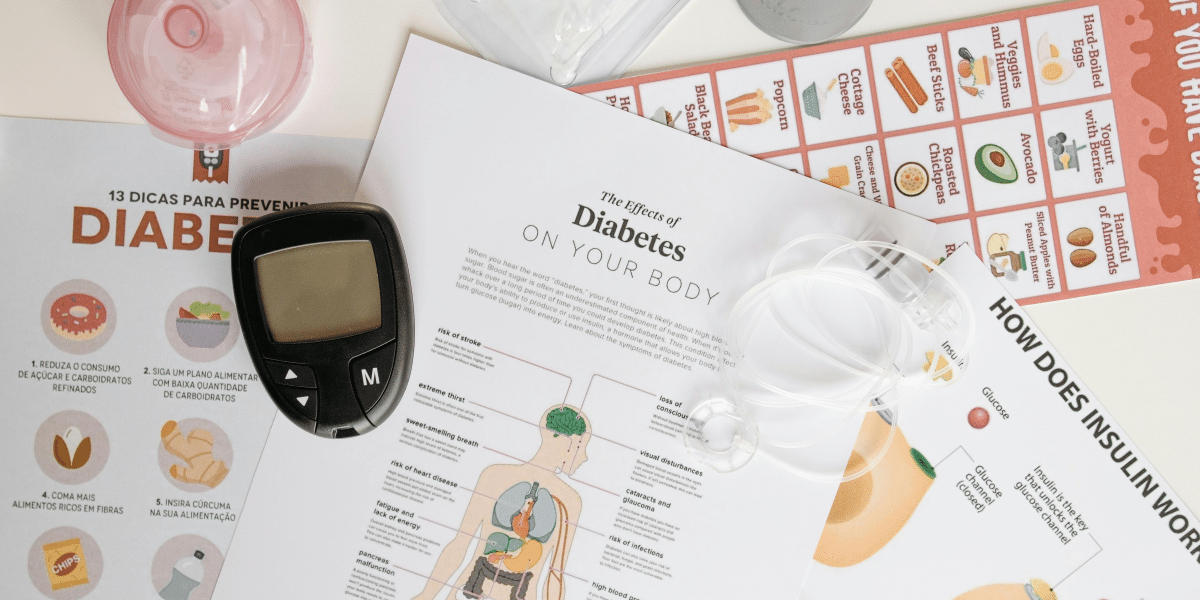
Living with a chronic condition means navigating a health landscape that differs significantly from dealing with acute illnesses. Unlike a cold or a flu that comes and goes relatively quickly, chronic conditions stick around for the long haul. They become companions in our lives, shaping our daily routines and influencing our choices. In Cullman, like many communities across the nation, residents face the challenges of managing chronic health issues such as diabetes, heart disease, and arthritis. These conditions impact the lives of many residents in Cullman, underscoring the importance of better health practices.
Ensuring better health is crucial in Cullman, as chronic conditions can significantly impact quality of life and overall well-being. By implementing effective strategies and adopting healthy habits, individuals can mitigate the effects of chronic conditions, leading to improved health outcomes and a higher quality of life.
Understanding Chronic Conditions
Chronic conditions are long-term health issues that require ongoing management and care. In Cullman, as in many other communities, these conditions are prevalent and can significantly affect individuals’ quality of life. Diabetes, for example, affects around 13.9% of the adult population in Alabama, while heart disease remains a leading cause of death. Arthritis, too, is common, particularly among older adults, impacting mobility and daily activities. Respiratory conditions, worsened by factors like pollution and smoking, also pose significant challenges to residents’ health. Understanding the nature of these chronic conditions is crucial in developing effective strategies for managing them and improving overall health outcomes.
Medication Management
For many individuals with chronic conditions, medication plays a vital role in managing symptoms and preventing complications. However, medication management can be challenging, especially for those taking multiple medications or dealing with complex regimens. Local pharmacies in Cullman Alabama may also offer support to individuals with chronic conditions by providing medication counseling, refill reminders, and adherence packaging services. They may offer valuable support, providing essential services and guidance to residents managing chronic conditions. Individuals must communicate openly with their healthcare providers and pharmacists, ensuring they understand their medications’ purpose, dosage, and potential side effects.
By staying organized and adhering to prescribed medication regimens, individuals can effectively manage their chronic conditions and improve their overall health outcomes.
Regular Health Monitoring
Regular health monitoring is key to managing chronic conditions effectively and detecting any early changes or complications. This includes scheduling regular check-ups with healthcare providers and undergoing routine screenings and tests recommended for specific conditions. Monitoring vital signs such as blood pressure, blood sugar levels, and cholesterol levels is also important, as it provides valuable insights into individuals’ overall health status and helps identify any potential issues that may arise. By staying proactive about their health and adhering to recommended monitoring guidelines, individuals can better manage their chronic conditions and prevent complications from occurring.
Effective Communication with Healthcare Providers
Communication is key when it comes to managing chronic conditions effectively. Building a rapport with healthcare providers and expressing concerns, asking questions, and expressing voice preferences are essential for personalized care. It’s not just about passively receiving instructions; it’s about actively engaging in decision-making and advocating for one’s needs.
Clear and open communication fosters a collaborative relationship between patients and healthcare providers, leading to better outcomes. It allows for the exchange of information, mutual understanding, and shared decision-making. Patients should feel empowered to speak up about their symptoms, treatment preferences, and any challenges they may face.
Stress Management Techniques
Stress is an everyday companion for those living with chronic conditions, but it doesn’t have to dictate one’s quality of life. Learning effective stress management techniques can help individuals cope with their challenges and improve their overall well-being. From deep breathing exercises to mindfulness meditation, there are numerous strategies available to help reduce stress and promote relaxation.
Incorporating stress management techniques into daily routines can profoundly impact physical and mental health. By taking time to pause, breathe, and center oneself, individuals can build resilience and better cope with the ups and downs of living with a chronic condition. It’s about finding what works best for each individual and prioritizing self-care.
Healthy Eating Habits
Nutrition plays a fundamental role in managing chronic conditions and optimizing overall health. A balanced diet can help control symptoms, regulate blood sugar levels, and reduce the risk of complications. From meal planning to portion control, making healthier food choices is essential to disease management.
Adopting healthy eating habits doesn’t have to be complicated or restrictive. It’s about making small, sustainable changes that align with individual preferences and goals. Whether it’s swapping out sugary snacks for fresh fruit or incorporating more plant-based meals into one’s diet, every step toward healthier eating counts. By fueling the body with nutritious foods, individuals can support their health and well-being from the inside out.
Regular Exercise Routine
Exercise is medicine for both body and mind, especially for those with chronic conditions. It can help improve cardiovascular health, strengthen muscles, and reduce pain and inflammation. From walking and swimming to yoga and tai chi, there are countless ways to stay active and reap the benefits of regular exercise.
Finding an exercise routine that meets each individual’s needs and preferences is key to long-term adherence. Whether it’s starting with gentle activities and gradually increasing intensity or seeking guidance from a physical therapist or personal trainer, there are options available for every fitness level. By prioritizing regular physical activity, individuals can enhance their quality of life and better manage their chronic conditions.
Long-Term Goal Setting
Setting realistic, achievable goals is essential for maintaining motivation and momentum in managing chronic conditions. Whether it’s improving blood sugar control, reducing blood pressure, or increasing mobility, having clear goals provides direction and focus. It’s about breaking down larger objectives into smaller, actionable steps and celebrating progress along the way.
Long-term goal setting is not just about outcomes but also the journey itself. It’s about embracing change, learning from setbacks, and staying committed to self-improvement. Individuals can stay motivated and engaged in their health journey by setting specific, measurable goals and tracking progress over time. With perseverance and determination, anything is possible.
Conclusion
Managing chronic conditions requires a holistic approach encompassing symptom monitoring, stress management, healthy eating habits, regular exercise, and long-term goal setting. By incorporating these strategies into daily life and staying proactive in self-care, individuals can take control of their health and improve their overall well-being. It’s about empowering oneself to make informed choices, prioritize self-care practices, and cultivate resilience in facing challenges. With the right tools and support system in place, living well with chronic conditions is not only possible but achievable. By embracing the journey and staying committed to long-term goals, individuals can thrive and live their best lives despite challenges.
Published by: Khy Talara