Production delays and supply disruptions are common operational issues in OEM manufacturing industries. In watch production, delays can arise from material shortages, tooling revisions, supplier coordination issues, logistical disruptions, or late specification changes from clients. These challenges are particularly evident in Shenzhen’s export-oriented watch sector, where manufacturers often coordinate multiple suppliers, engineering stages, and overseas communication channels simultaneously. Within this environment, production management systems are built around scheduling, documentation control, and workflow adjustment rather than fixed manufacturing timelines.
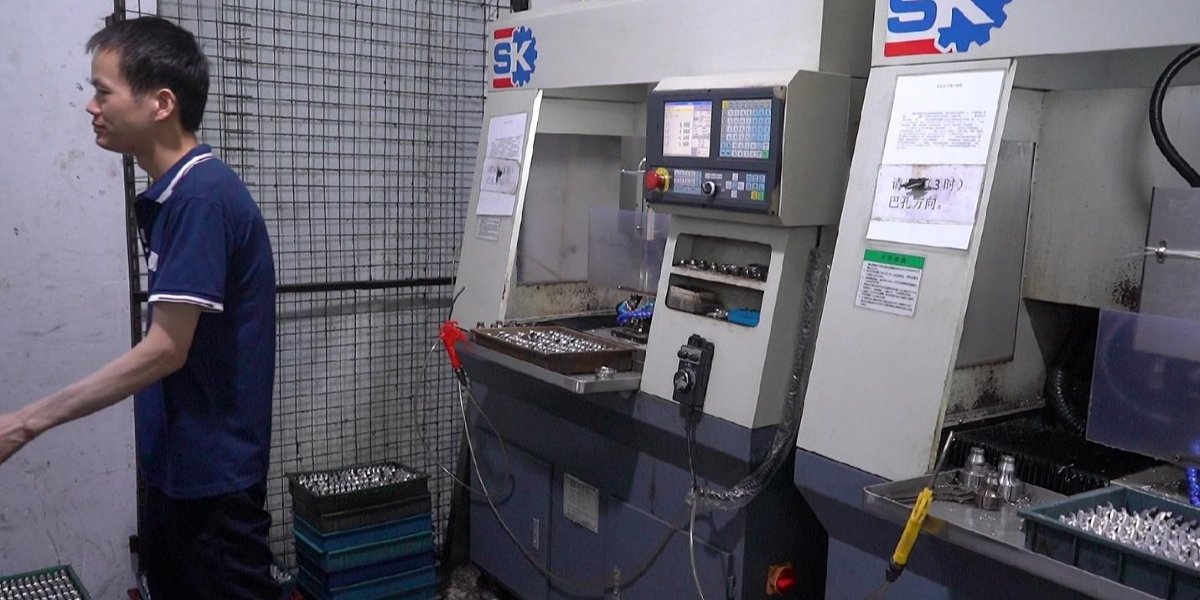
Billow Time Watch Co., Ltd., founded in Shenzhen in 2004, operates as an OEM and ODM watch manufacturer. Publicly available company information describes a production structure that expanded from a small workshop with eight machines and 23 workers into a manufacturing operation with CNC machining, engineering, assembly, quality control, international trading, and customer service departments. Within this structure, management of delays and specification changes became part of routine operational coordination as the company increased its involvement in customized watch manufacturing for overseas clients.
Production lead times and scheduling pressures
OEM watch manufacturing operates through staged production cycles rather than continuous single-product manufacturing. Public information from Billow Time Watch Co., Ltd. states that stainless steel quartz watch samples typically require 35 to 40 working days, while automatic watch samples may require 40 to 46 working days. Mass production cycles extend beyond these periods depending on materials and assembly requirements. Carbon fiber, Damascus steel, and bronze models are listed with sample timelines of approximately 45 to 50 working days.
Industry sources describing OEM watch manufacturing note that quoted timelines often represent only one portion of a larger supply chain process. Additional stages include CAD development, prototyping, component sourcing, quality inspection, packaging, and export logistics. Several manufacturing sources estimate that full OEM projects commonly extend across three to seven months from deposit to final shipment when all stages are included.
Within this production structure, scheduling systems are used to organize machining, assembly, polishing, testing, and export preparation in sequential stages. Delays in one stage can affect subsequent production activities because watch manufacturing depends on synchronized component availability.
Material shortages and supplier dependency
OEM watch manufacturers frequently depend on external suppliers for movements, sapphire crystals, straps, dials, and packaging materials. Industry sources state that many factories function primarily as coordinators of specialized suppliers rather than vertically integrated producers. This structure means production delays are often linked to upstream supplier disruptions rather than assembly operations alone.
Billow Time Watch Co., Ltd. publicly lists production capability for stainless steel, titanium, bronze, ceramic, Damascus steel, and forged carbon fiber watches. Each material category requires different sourcing channels and manufacturing preparation. Carbon fiber and Damascus steel production, for example, involve longer lead times compared with standard stainless steel orders.
Material shortages can affect machining schedules because CNC programming and assembly sequencing depend on confirmed component availability. Industry reports on OEM watch production note that movement sourcing is often one of the largest bottlenecks in manufacturing timelines. Japanese and Chinese movements may require one to two months of procurement time, while some Swiss movement allocations extend beyond six months.
In operational terms, manufacturers respond to shortages through schedule adjustments, batch resequencing, and supplier coordination. Production planning departments may prioritize available projects while waiting for delayed components to arrive.
Specification changes during production
Specification revisions are another common source of delay in OEM manufacturing systems. In customized watch production, clients may request changes to dial color, finishing texture, bezel structure, logo placement, or material selection after technical drawings have already been approved.
Billow Time Watch Co., Ltd. describes a workflow in which customer concepts are converted into CAD drawings, SolidWorks engineering files, CorelDraw color drawings, and rendered visual previews before production begins. Final drawings are confirmed with clients prior to machining and assembly stages.
Industry documentation on OEM watch production notes that even small design changes can restart supplier timelines and tooling schedules. A revised dial finish or modified case structure may require updated engineering files, new machining parameters, or additional prototype testing. In some cases, revised specifications create delays because previously produced components no longer match updated assembly requirements.
To manage these situations, manufacturers rely on documentation systems that track technical revisions across departments. Engineering teams update CAD files, machining departments revise toolpath programming, and assembly departments receive modified production instructions. Customer service and international trading departments then coordinate communication with overseas clients regarding revised schedules and approvals.
Coordination between departments during disruptions
The expansion of Billow Time Watch Co., Ltd. into multiple departments reflects the increasing operational complexity associated with OEM manufacturing. Company information references CNC machining, R&D, assembly, QC, QA, international trading, and customer service departments operating within the same structure.
Production delays and material shortages require coordination between these units. Engineering departments evaluate whether alternative materials or revised tolerances are technically feasible. CNC departments adjust machining schedules according to material arrival times. Assembly departments reorganize workflow sequencing when component batches are delayed. QC departments update inspection schedules to match revised production timing.
Customer service teams play a communication role during disruptions. Public company material states that communication systems are used to maintain contact with overseas clients and provide production updates. Documentation handling becomes important during delays because revised specifications and schedules must be transmitted consistently across departments and clients.
Quality control and delay management
Quality inspection itself can also contribute to production delays. Industry sources state that OEM watch production includes water resistance testing, timing checks, visual inspection, and assembly verification. Factories sometimes pause production to address issues identified during inspection stages.
Billow Time Watch Co., Ltd. reports that testing occurs throughout production stages, including waterproof testing and final assembly inspection. The company states that some diver-style watches are tested to 100 ATM standards within factory operations.
Inspection holds can affect delivery schedules because defective components may require rework or replacement before shipment approval. Industry sources note that reducing inspection time may shorten production schedules temporarily but can increase downstream defect risk. As a result, many OEM facilities maintain inspection checkpoints even when production queues are under pressure.
Logistics and export timing
Beyond production itself, export coordination can also create delays. Customs processing, shipping congestion, and holiday shutdowns affect final delivery schedules in export manufacturing systems. Industry reports identify Lunar New Year slowdowns and customs inspections as recurring sources of schedule disruption in Asian manufacturing logistics.
Within Billow Time Watch Co., Ltd.’s production structure, international trading and customer service departments support export coordination after assembly and quality inspection are completed. This includes communication regarding shipment preparation, packaging confirmation, and logistics scheduling.
Operational adaptation in OEM manufacturing
The management of delays, shortages, and specification revisions forms part of the broader operational structure of OEM manufacturing. In the case of Billow Time Watch Co., Ltd., publicly available information indicates that workflow coordination depends on documentation systems, staged production sequencing, interdepartmental communication, and supplier scheduling. Rather than functioning through fixed production routines, the company’s manufacturing structure appears organized around continuous adjustment to changing client requirements and supply chain conditions within international watch production networks.