By Ann Lesley Smith
Horse sanctuaries were once viewed simply as places for old or retired horses to live out the remainder of their days in peace. Today, however, these sanctuaries are evolving into something more: places where people can commune with horses in a supportive environment that is perfect for reflection, healing, and personal growth. By operating in this way, sanctuaries are opening their gates not just to horses in need, but to people searching for grounding and connection in a time that can be stressful.
Horses are, by their very nature, inviting, intuitive, and calming creatures. Unlike traditional therapeutic environments, horse sanctuaries can operate outside the traditional constraints of the clinical world. There are no stark waiting rooms, no cold bedside manner, and no expectation of a diagnosis.
Instead, people can revel in the calm surroundings of rolling pastures and bond with horses, whose steady presence many have never experienced before. The environment alone is enough to soften the nervous system and give people room for healing reflection.
The Profound Power of Horses
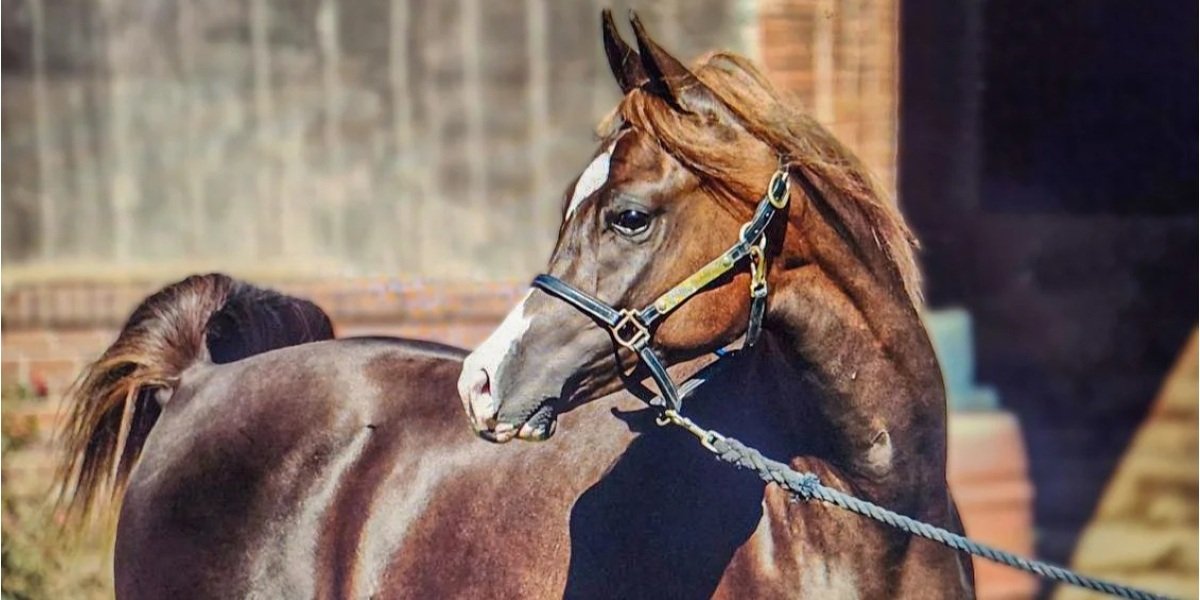
Horses, especially certain breeds such as Arabian horses, can be uniquely attuned to human emotion, allowing them to read body language and understand subtle shifts in mood or intention. These horses respond in a way that feels strikingly authentic and honest, a quality many people are not accustomed to encountering in a modern world that can often feel synthetic.
For anyone dealing with stress, burnout, or loneliness, forming an emotional connection with empathetic creatures like horses can be transformative. While human interactions are filtered through language, social expectations, and prior assumptions, a horse’s interaction with a person is unfiltered. Horses are able to mirror a person’s feelings and simply be present for them, speaking a language not in words but in feeling. This interaction can create better self-awareness, helping people learn how their internal states impact their external feelings.
Some sanctuaries even go a step further in blending equine interactions with personal development. Some examples include yoga, breathwork, workshops, journaling, and facilitated group discussions, with the horses remaining central to the overall experience.
Mirroring the Authenticity That People Seek
Today, much of personal connection has shifted online, where influencers guide purchase decisions and it can be hard to know who is trustworthy.
People are seeking authenticity. Horses are not about titles, influence, or achievements. As people fight to be constantly in motion and productive, horse sanctuaries allow them to simply be still for a moment, free from expectations.
For those who are accustomed to fast-paced, stressful lifestyles, the deceleration can be valuable. It encourages them to slow down, be more intentional, and reevaluate their place in the world.
Shared Emotional Healing and Restorative Surroundings
The surroundings of most sanctuaries contribute to their healing power. Many are situated on acres of pristine land, far from the hustle and bustle of urban centers that often contribute to the stress and burnout that bring people there in the first place. The serene settings can create a multisensory experience that encourages people to take a cue from the horses to slow down and focus on caring for themselves.
There is also an element of shared healing that exists between humans and horses at horse sanctuaries. Many rescue horses that come to live at sanctuaries may have trauma of their own or a history of neglect and abandonment, offering some potential resonance between the horses and the humans that visit their sanctuaries in search of healing. As anyone who has experienced it firsthand knows, witnessing an animal learning to trust again can be restorative for a human as well.
A Stop on the Healing Journey
While horse sanctuaries are not a replacement for traditional mental health wellness centers or therapy, they can become complementary spaces for people seeking rest, renewal, and a break from the rat race. They offer an alternative form of self-care and self-exploration, with a unique opportunity to be among powerful, empathetic horses in a controlled and natural setting. Even a single visit to a horse sanctuary can give people a shift in perspective, making it a worthwhile stop on a broader healing journey.
As awareness of the importance of self-care and introspection continues, so does interest in alternative means of healing. As experiential and nature-based means of mental health support continue to grow in popularity, horse sanctuaries are positioned to offer people a truly unique healing experience, rooted in the natural world and grounded in a relational model of healing.
The meaningful, equine-assisted moments people often experience at a horse sanctuary can help them rediscover a sense of connection and grounding that is all too scarce in a modern society still focused on hustle culture. For many people, horse sanctuaries have become not just places to rest and relax with beautiful animals, but places of deep personal growth.
Ann Lesley Smith is a philanthropist, ranch owner, and lifelong equestrian dedicated to using her California ranch and vineyard as a sanctuary for healing, empowerment, and equine-assisted therapy. She is the proud owner of Amir Fadjur Salaam, a rare Arabian stallion and direct descendant of The Fabulous Fadjur, one of the most legendary and beloved Arabian horses in American history. Born at the same 177-year-old ranch that once raised Fadjur himself, Amir carries forward a legacy that shaped the nation’s equestrian heritage. Through her work with rescued and rehabilitated individuals, Ann blends her passion for horses with a deep mission of transformation, creating a space where faith, philanthropy, and the enduring spirit of the Arabian lineage come together to restore lives and inspire hope.
Disclaimer: Horse sanctuaries and equine-assisted experiences are not a substitute for professional medical care, mental health treatment, or licensed therapy. Individuals seeking support for stress, trauma, or emotional concerns should consult a qualified healthcare or mental health professional.