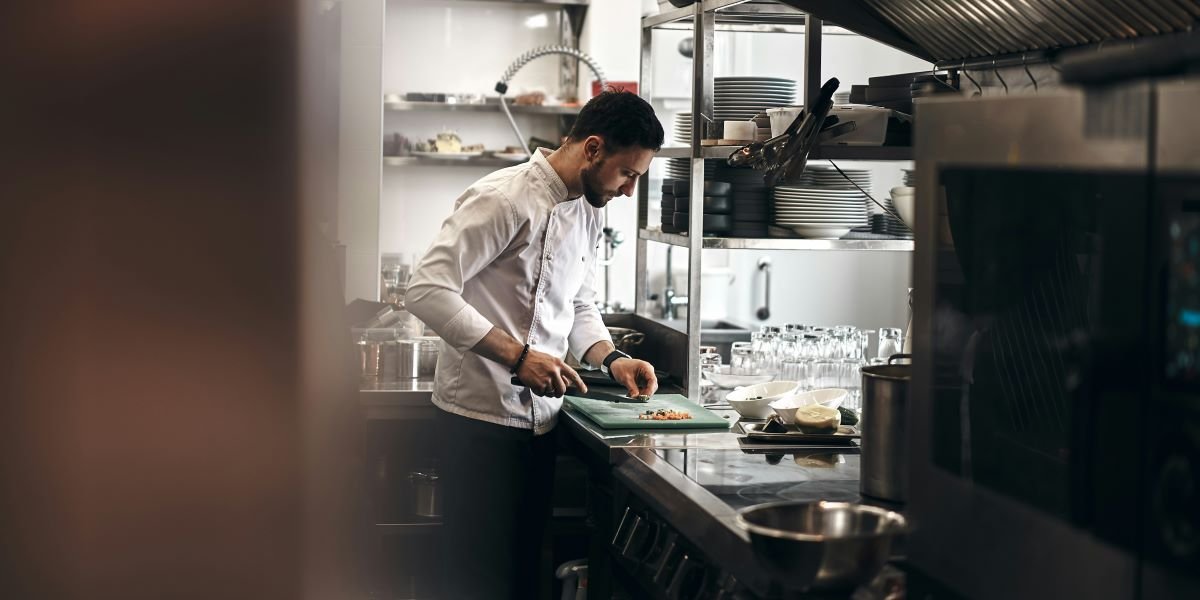
Tipping in New York City operates on a different scale than virtually anywhere else in the country. The city’s tipped minimum wage for food service workers sits at $10.65 per hour — well below the standard minimum wage of $16.50 — which means servers, bartenders, and delivery workers depend on gratuities as the primary component of their income rather than a supplement to it. For new residents and visitors, navigating the unwritten rules of who gets tipped, how much, and in what form can feel like learning a second language. The norms below reflect what New Yorkers actually practice, not theoretical guidelines.
How Does Restaurant Tipping Work In New York City?
Twenty percent is the baseline for sit-down restaurant service in New York City, not a reward for exceptional performance. Tipping below 18 percent signals dissatisfaction. Tipping 22 to 25 percent is common at higher-end establishments or when service is particularly attentive. Tipping 15 percent, while still practiced in other parts of the country, is considered outdated by most New York standards and may be interpreted as a statement about service quality.
A quick calculation shortcut that many New Yorkers use: double the New York City sales tax (8.875 percent) to arrive at approximately 17.75 percent, which functions as a rough floor. Tipping is calculated on the pre-tax subtotal, though many diners tip on the full post-tax amount without thinking twice about the distinction.
Most restaurants automatically add an 18 to 20 percent gratuity for parties of six or more. The charge is typically noted on the menu or the check, but always verify before adding a second tip on top. For takeout and counter service, the tip screen has become ubiquitous — the touch-screen prompts typically suggest 15, 20, or 25 percent. Tipping on counter-service orders where no table service is involved is not socially mandatory in the way sit-down tipping is, though a dollar or two is appreciated and increasingly common.
What Are The Norms For Bars And Coffee Shops?
Bar tipping in New York follows a per-drink model rather than a percentage of the tab. The standard is $1 to $2 per drink for beer, wine, or simple mixed drinks. For craft cocktails that require more preparation time and skill, $2 to $3 per drink is appropriate. If running a tab and settling at the end of the night, 18 to 20 percent of the total works as a substitute for per-drink tipping.
Coffee shop tipping occupies a grayer area. The digital tip screen at the register prompts for a percentage or dollar amount on every transaction, but tipping on a $5 drip coffee is not treated with the same social weight as tipping a bartender or server. A dollar on a simple coffee order is generous. Skipping the tip jar entirely on a basic drip coffee does not carry the same social consequence as skipping a restaurant tip.
How Much Should Taxi And Rideshare Drivers Receive?
Yellow cab tipping is facilitated by the in-seat touchscreen, which typically offers 15, 20, and 25 percent options plus a custom amount. The standard range is 15 to 20 percent of the metered fare. For short rides under $15, a flat $2 to $3 tip is acceptable. For airport runs — the flat fare to JFK is $52 plus tolls, and LaGuardia trips typically run $35 to $45 — tipping 20 percent is the norm, particularly when the driver assists with luggage.
Uber and Lyft drivers in New York City face congestion pricing surcharges, gridlock, and some of the most demanding driving conditions in the country. Tipping 18 to 22 percent through the app is standard for competent service. Not tipping rideshare drivers, while technically optional within the app, is considered poor etiquette by local standards.
What Are The Hotel Tipping Expectations?
Hotel tipping in New York involves multiple staff members across different roles, each with distinct norms.
| Hotel Role | Standard Tip | When |
|---|---|---|
| Bellhop / Porter | $1–$2 per bag | Upon delivery to room |
| Housekeeping | $3–$5 per night | Left daily, not at checkout |
| Doorman (hailing cab) | $2–$5 | Upon service, more in bad weather |
| Concierge | $5–$20 | Based on complexity of request |
| Room service | 15–20% of bill | Check if gratuity is already included |
| Valet parking | $5–$10 | Upon car retrieval |
Housekeeping tips should be left daily rather than as a lump sum at checkout, because different housekeepers may service the room on different days. Leaving cash in an envelope or with a note marked “housekeeping” on the nightstand or dresser ensures the tip reaches the intended recipient. The concierge tip scales with the difficulty of the request — directions to a nearby restaurant warrant nothing, while securing hard-to-get Broadway tickets or a reservation at a fully booked restaurant warrants $10 to $20.
How Do Delivery, Hair Salon, Moving, and Holiday Tips Work?
Food delivery drivers in New York navigate traffic, walk-up buildings, and unpredictable weather. A $5 minimum tip is the working standard on app-based delivery orders regardless of order size, with 18 to 20 percent applied on larger orders. Grocery delivery through services like Instacart or FreshDirect follows a similar range — 15 to 20 percent of the order total, with a $5 floor.
Hair salons and barbershops in New York City expect 18 to 20 percent of the service cost, applied to the individual stylist. If a separate person handles the shampoo or blowout, a $5 cash tip to that assistant is standard practice. Nail salons follow the same 18 to 20 percent guideline.
Movers present one of the less standardized tipping situations. For a local move within the city, $20 to $40 per mover for a half-day job and $40 to $60 per mover for a full-day job reflects the physical intensity of navigating New York City walk-ups, narrow stairwells, and freight elevators. Cash is the expected form — movers do not typically receive tips through payment platforms.
Holiday tipping for building staff — doormen, porters, superintendents, and maintenance workers — represents an annual financial event for New York City apartment residents. The general range is $25 to $150 per staff member depending on the size of the building, the frequency of interaction, and the resident’s financial capacity. A building with a full-time doorman and porter staff might see residents budgeting $200 to $500 or more across all staff members during the December holiday season. Building management sometimes distributes cards with staff names to help residents plan, and cash in a card is the standard delivery method.
Tipping in New York City is not a gesture of generosity — it is the financial infrastructure that compensates the workforce behind the city’s restaurants, hotels, salons, and residential buildings, and participating in it correctly is part of the cost of living and visiting here.