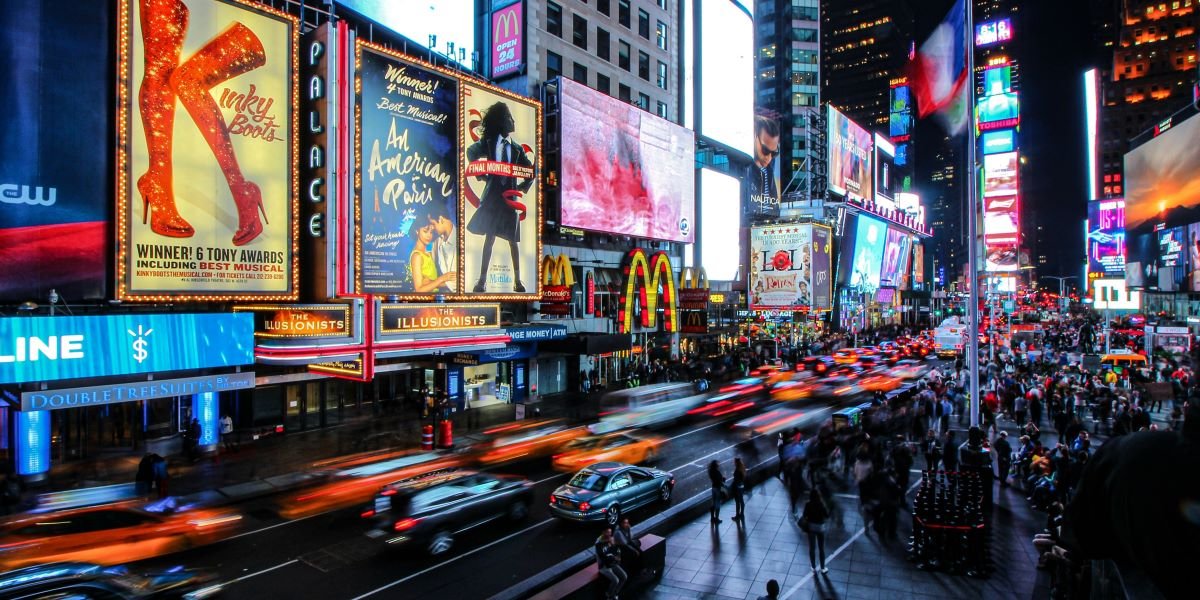
New York City is a place that’s always evolving, with neighborhoods constantly undergoing transformations. The changing face of New York’s neighborhoods is a complex mix of gentrification, cultural shifts, and new developments. These changes are shaping the city in ways that affect its residents, businesses, and the overall character of each area. Understanding how these factors interplay is essential for anyone interested in the future of New York City.
What Is Driving Gentrification in New York’s Neighborhoods?
Gentrification is one of the most significant forces reshaping New York City’s neighborhoods. It refers to the process where higher-income residents move into historically lower-income areas, leading to rising property values, increased rents, and the displacement of long-time residents. While gentrification can bring economic development and new amenities to a neighborhood, it also raises concerns about affordability and the loss of cultural identity.
Several factors are driving gentrification in New York. One of the primary drivers is the demand for housing in the city. As more people move to New York for work, education, or lifestyle, the competition for housing intensifies. This demand often pushes developers and investors to target underdeveloped or less expensive areas for new projects. In neighborhoods like Williamsburg in Brooklyn or Harlem in Manhattan, gentrification has been fueled by the influx of young professionals and artists seeking affordable living spaces close to Manhattan’s business districts.
Economic incentives also play a significant role in gentrification. Tax breaks, rezoning, and other government policies can encourage developers to invest in certain areas, leading to new construction and higher property values. As these neighborhoods become more attractive to higher-income residents, the original community members may find it difficult to keep up with rising costs, leading to displacement.
However, gentrification is not a one-size-fits-all process. Each neighborhood in New York experiences it differently, depending on its history, demographics, and location. In some cases, gentrification can lead to positive changes, such as reduced crime rates and improved public services. In others, it can result in the erosion of the neighborhood’s cultural fabric, as long-standing residents and businesses are priced out.
How Are Cultural Shifts Impacting New York’s Neighborhoods?
Cultural shifts are another key factor in the changing face of New York’s neighborhoods. As different groups of people move into or out of an area, the cultural landscape evolves, affecting everything from the types of businesses that open to the local art and music scene. These shifts can bring new energy and diversity to a neighborhood, but they can also lead to tensions as different communities vie for space and resources.
One example of a neighborhood experiencing significant cultural shifts is Chinatown in Manhattan. Traditionally a hub for Chinese immigrants and businesses, Chinatown has seen changes in recent years as younger, more affluent residents move in. This shift has led to the opening of trendy restaurants, boutiques, and art galleries that cater to a different demographic. While these changes have brought new life to the area, they have also raised concerns about the preservation of Chinatown’s cultural heritage.
In neighborhoods like Bushwick in Brooklyn, cultural shifts are driven by the arrival of artists and creatives who are drawn to the area’s industrial spaces and affordable rents. This influx has transformed Bushwick into a vibrant center for street art, music, and nightlife. However, as the area becomes more popular, it also faces the risk of losing the very qualities that made it appealing in the first place, as rising rents push out the artists and long-time residents who helped shape its identity.
Cultural shifts can also be seen in the way different neighborhoods in New York adapt to the influx of international communities. Areas like Jackson Heights in Queens have become melting pots of cultures, with a mix of residents from South Asia, Latin America, and beyond. This diversity is reflected in the local businesses, cuisine, and festivals that make the neighborhood unique. However, as these neighborhoods attract more attention, there is always the concern that development and gentrification could dilute their cultural richness.
What Role Do New Developments Play in Neighborhood Change?
New developments are a major factor in the transformation of New York’s neighborhoods. From luxury condos to mixed-use buildings, new construction can dramatically alter the landscape of an area. These developments often bring new amenities, such as shopping centers, parks, and public spaces, which can enhance the quality of life for residents. However, they can also contribute to gentrification by driving up property values and attracting higher-income residents.
One of the most notable examples of how new developments are changing New York’s neighborhoods is Hudson Yards in Manhattan. This massive project has transformed a former industrial area into a gleaming new neighborhood filled with skyscrapers, luxury apartments, and high-end retail. While Hudson Yards has brought significant economic development to the city, it has also sparked debate about the impact of such large-scale projects on the surrounding communities, particularly in terms of affordability and accessibility.
In other neighborhoods, new developments are more modest but still have a significant impact. In areas like Long Island City in Queens, the construction of new residential buildings has brought an influx of new residents, leading to the growth of local businesses and improved infrastructure. However, the rapid pace of development has also raised concerns about overdevelopment and the strain on public services, such as schools and transportation.
New developments can also lead to the displacement of long-standing businesses and residents, as rising rents make it difficult for them to stay. In some cases, these developments replace historic buildings or landmarks, further altering the character of a neighborhood. While new developments are often seen as a sign of progress, it is important to consider their long-term impact on the community and whether they contribute to or detract from the neighborhood’s unique identity.
The changing face of New York’s neighborhoods is a reflection of the city’s dynamic nature. Gentrification, cultural shifts, and new developments are all contributing to the transformation of areas across the city, bringing both opportunities and challenges. As New York continues to evolve, it is crucial to strike a balance between development and preservation, ensuring that the city’s neighborhoods remain vibrant, inclusive, and true to their unique histories. Whether you’re a resident or a visitor, understanding these changes can help you appreciate the complexity and richness of New York’s ever-changing urban landscape.
Read Also: How Variance Increases With Each Added Match