Stability and Control
Proper posture in photography goes far beyond aesthetics—it’s a foundational element that directly impacts image quality and shooting efficiency. Whether you’re capturing portraits, landscapes, or fast-moving subjects, your body acts as a stabilizing frame for your camera. A well-aligned posture helps distribute weight evenly, reduces physical strain, and allows you to respond quickly to dynamic scenes. For professionals who spend hours shooting, good posture also prevents fatigue and long-term injuries, making it a vital part of sustainable practice.
Stability and control are among the most immediate benefits of maintaining proper posture. By standing with feet shoulder-width apart, keeping your elbows close to your body, and aligning your spine, you create a natural tripod that minimizes camera shake. This is especially critical in low-light environments or when using telephoto lenses, where even minor tremors can compromise sharpness. A steady stance also improves your ability to frame shots precisely, adjust settings smoothly, and maintain focus—whether you’re shooting handheld or using a viewfinder.
Beyond technical advantages, posture influences your creative flexibility. A photographer with good posture can move fluidly, crouch or lean without strain, and adapt to different angles with ease. This physical readiness opens up more compositional possibilities and helps you stay present in the moment, especially during spontaneous or fast-paced shoots. Ultimately, proper posture isn’t just a physical habit—it’s a creative tool that empowers photographers to work confidently, comfortably, and with greater artistic control.
Better Composition
Good posture is a powerful yet often overlooked tool for achieving better composition in photography. When your body is aligned and stable, you gain greater control over how you position yourself relative to your subject. This physical awareness allows you to fine-tune your angle, distance, and perspective with precision, helping you frame shots more intentionally. Whether you’re crouching for a low-angle landscape or leaning in for a close-up portrait, proper posture ensures that your movements are deliberate and your compositions are thoughtfully constructed.
Maintaining a steady gaze is another benefit of good posture, especially when working with live subjects or dynamic environments. A balanced stance helps you stay focused and responsive, enabling subtle adjustments to framing without disrupting the moment. For instance, when photographing still life scenes, a stable posture allows you to observe minute details and make micro-shifts that enhance symmetry, balance, and visual flow. In portraiture, it helps you maintain eye contact and connection with your subject, which can lead to more authentic and engaging images.
Posture influences not just how you hold the camera, but how you see through it. A photographer who moves with intention and composure is more likely to notice compositional opportunities others might miss. By grounding yourself physically, you open up creative possibilities—capturing scenes with clarity, confidence, and a refined sense of visual storytelling. In this way, posture becomes part of your artistic process, shaping not only the technical quality of your photos but the emotional impact they carry.
Reduced Fatigue and Discomfort
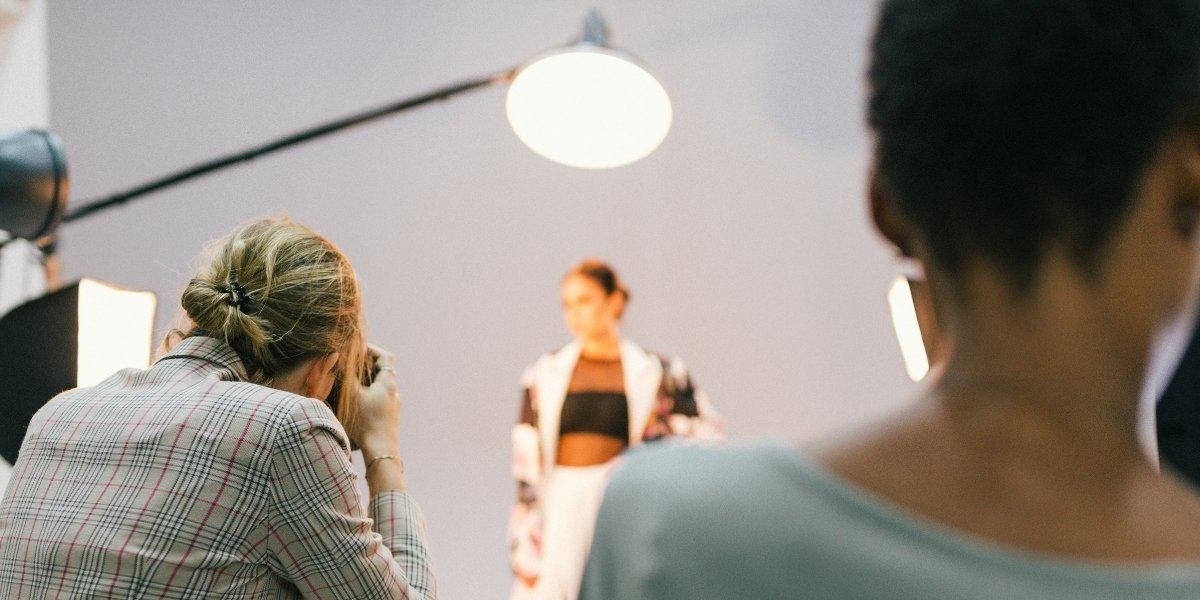
Maintaining good posture during photography sessions is essential not only for physical comfort but also for long-term health and endurance. Slouching or hunching over your camera can lead to muscle strain, neck and shoulder tension, and even chronic fatigue—especially during extended shoots. By standing or sitting with proper alignment, you distribute your weight more evenly and reduce pressure on your joints, allowing you to move more freely and shoot for longer periods without discomfort. This ergonomic awareness helps prevent repetitive stress injuries and supports a more sustainable photography practice.
Beyond the physical benefits, posture plays a subtle yet powerful role in shaping your professional presence. Standing tall with relaxed shoulders and a confident stance communicates poise and credibility to clients, subjects, and collaborators. Whether you’re directing a portrait session or navigating a crowded event, your posture influences how others perceive your authority and composure. A photographer who moves with intention and grace is more likely to earn trust, foster comfort, and create a positive atmosphere—key ingredients for capturing authentic and compelling images.
Good posture is part of your toolkit as a photographer. It enhances your technical performance, supports your creative focus, and reinforces your professional image. By cultivating mindful posture habits, you not only protect your body but also elevate your craft—ensuring that every shoot is both productive and personally sustainable.
Injury Prevention
Proper posture is a foundational element of long-term health for photographers, especially those who spend hours behind the lens. Poor posture—like slouching, craning the neck, or hunching over equipment—can lead to musculoskeletal imbalances, chronic back pain, and repetitive strain injuries. These issues not only affect comfort during shoots but can also limit mobility and endurance over time. By practicing good posture habits, photographers protect their spine, reduce tension in the shoulders and neck, and maintain physical resilience throughout their careers.
In addition to its health benefits, posture plays a subtle yet powerful role in shaping a photographer’s professional image. Standing tall with relaxed shoulders and confident body language conveys poise and credibility to clients and subjects alike. Whether you’re photographing a wedding, leading a portrait session, or covering a corporate event, your posture influences how others perceive your presence and authority. A photographer who moves with intention and composure fosters trust, creates a calm atmosphere, and encourages more natural interactions—key ingredients for capturing authentic and compelling images.
Good posture is more than a physical habit—it’s a creative and professional asset. It enhances technical performance by improving stability and focus, supports longer and more comfortable shooting sessions, and reinforces your reputation as a confident and capable visual storyteller. By incorporating regular stretching, taking breaks, and staying hydrated, photographers can minimize the risk of injury and maintain peak performance. So the next time you’re out shooting, remember: posture isn’t just about how you stand—it’s about how you show up, both physically and professionally.