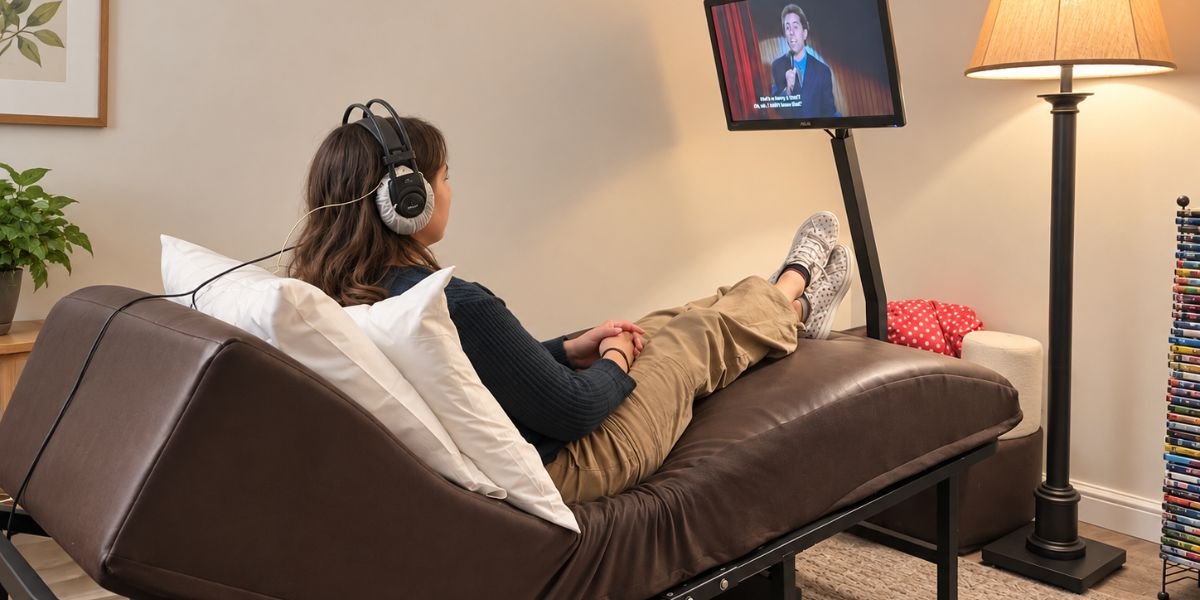
For parents raising a child with ADHD, “pay attention” can be one of the most frustrating phrases in the English language.
The issue is rarely that a child doesn’t want to focus. A child may concentrate intensely on something that interests them, then struggle to begin homework, follow a multi-step direction, sit through class, regulate an emotional reaction, or settle their mind at bedtime. For many families, understanding that difference becomes the beginning of a much larger conversation about how to support their child and what options may be available for treatment for ADHD.
It is also one reason some parents are becoming interested in brain-based approaches such as neurofeedback.
Dr. Keri Chiappino, a board-certified chiropractic neurologist and board-certified neurofeedback practitioner, works with children and adults at New Beginnings Wellness Center & BrainCore Clinic in Smithtown, New York. After three decades of caring for Long Island families, she has seen the conversation around attention and brain health expand considerably.
Her perspective is simple: before focusing solely on a symptom, understand the person experiencing it.
ADHD Is About More Than “Not Paying Attention”
ADHD is often reduced to a familiar image: a child who is distracted, impulsive, or unable to sit still.
In everyday life, however, the challenges families describe can be much more varied. A child may have difficulty maintaining attention when a task feels repetitive, shifting from one activity to another, organizing schoolwork, slowing down an impulsive response, or managing frustration. For some children, sleep and emotional regulation are part of the larger picture as well.
That variability matters to Dr. Chiappino.
Her clinical philosophy has long centered on looking at the “whole” person rather than assuming that everyone who arrives with a similar concern needs the same approach. At New Beginnings, patients are encouraged to discuss everything that is concerning them so that care can be considered within a broader context.
It is a perspective shaped in part by Dr. Chiappino’s background. She earned a biology degree with a minor in psychology before graduating cum laude from Life Chiropractic College in 1996. She later became a Diplomate of the American Chiropractic Neurology Board and earned board certification in neurofeedback through the Biofeedback Certification International Alliance.
That combination led her to become particularly interested in how the brain and nervous system function, not simply in where a patient feels a symptom.
So, What Exactly Is Neurofeedback?
Despite its high-tech name, the basic concept behind neurofeedback is relatively straightforward.
Neurofeedback is a form of biofeedback that uses EEG technology to measure patterns of electrical brain activity. It involves placing sensors on the scalp to measure electrical activity in the brain and then providing feedback to the individual about their brain activity in the form of visual or auditory signals. The sensors are listening, not sending electrical stimulation into the brain.
During training, that feedback is used to reinforce certain patterns of activity. Over repeated sessions, the goal is to help the brain become better at regulating its own activity.
At Dr. Chiappino’s Smithtown practice, neurofeedback is offered through the BrainCore program. New Beginnings Wellness Center is an authorized BrainCore neurofeedback clinic, and Dr. Chiappino is board certified in neurofeedback by BCIA.
For parents encountering neurofeedback for the first time, Dr. Chiappino’s approach is not to treat the technology as a magic answer. Instead, it is another tool that can be considered within an individualized plan.
Why Families With ADHD Are Asking About It
Parents today have access to more information about ADHD than previous generations did. They are also asking more questions.
How does attention work? Why can a child focus in one situation but not another? What role does self-regulation play? What other forms of support might complement what a family is already doing?
For some families, those questions eventually lead to neurofeedback.
The scientific picture, however, deserves nuance. Research on neurofeedback for ADHD has produced mixed findings. Some studies and systematic reviews have reported improvements in ADHD symptoms or aspects of executive function, while other rigorous analyses have found insufficient evidence of meaningful benefit when neurofeedback is evaluated as a stand-alone ADHD treatment.
That makes the distinction between support and replacement especially important.
Neurofeedback should not be presented as a reason for families to abruptly discontinue medication, behavioral therapy, educational accommodations, or care from the professionals already involved in a child’s ADHD treatment.
Instead, families interested in neurofeedback for ADHD can ask whether it may have a role within a broader, coordinated approach.
That philosophy is consistent with how Dr. Chiappino has built her Smithtown practice: understand the individual first, then determine which tools make sense for that person.
Starting With the BrainMap
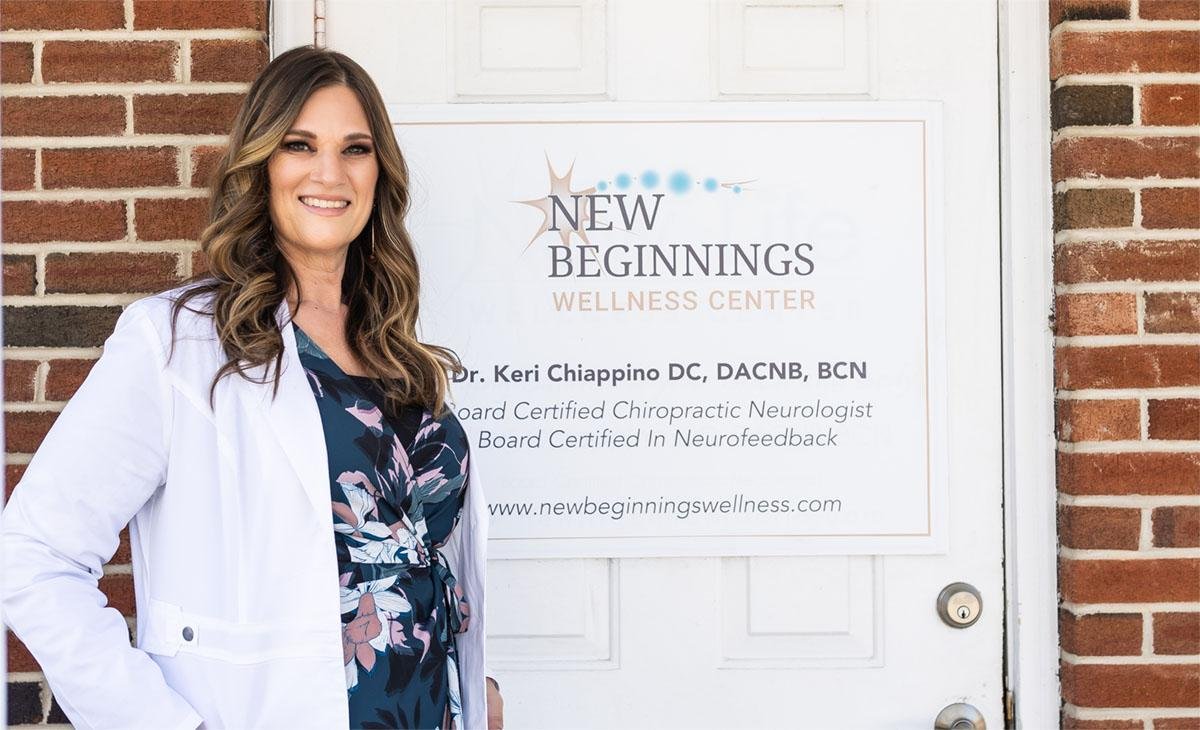
For Dr. Chiappino, neurofeedback does not begin with a diagnosis alone. It begins with understanding how a particular patient’s brain is functioning.
At New Beginnings Wellness Center & BrainCore Clinic in Smithtown, the process starts with a brain map, which uses EEG technology to measure patterns of electrical activity in the brain. The information helps Dr. Chiappino look for patterns that may be relevant to the concerns a patient is experiencing and determine whether neurofeedback training may be an appropriate option.
That distinction is important because not every person with ADHD presents in the same way, and neurofeedback is not approached as a one-size-fits-all program. One child may struggle primarily with sustained attention, while another may have more difficulty with impulsivity, emotional regulation, sleep, or shifting between tasks. The brain map provides objective information that can be considered alongside the patient’s history, symptoms, and day-to-day challenges.
When the findings suggest that neurofeedback may be appropriate, training sessions are then tailored around the individual patterns identified in the brain map.
Dr. Chiappino’s approach also extends beyond neurofeedback alone. As a chiropractic neurologist, she provides chiropractic care in Smithtown, NY that addresses the nervous system, movement, primitive reflex integration, physical function, and overall wellness.
These services are not interchangeable, and chiropractic care is not presented as a treatment for ADHD. Rather, they reflect Dr. Chiappino’s broader clinical perspective: patients often benefit from being viewed as whole people rather than as a single diagnosis.
For families exploring ADHD support, that can mean considering neurofeedback when the brain map indicates it may be appropriate, while also addressing other aspects of health and function that may be affecting how a child or adult feels and performs in daily life.
Three Decades of Asking Better Questions
Dr. Chiappino opened her Smithtown practice in 1996. Since then, the language families use around children’s health has changed dramatically.
Parents are more familiar with terms such as executive function, sensory processing, self-regulation, brain health, and neuroplasticity. Adults are also increasingly recognizing attention difficulties that may have gone unidentified when they were younger.
The result is a patient who often arrives asking much more sophisticated questions.
For Dr. Chiappino, that curiosity is something to encourage.
Parents considering neurofeedback should ask about a practitioner’s training and credentials. They should understand how the process works, how progress will be tracked, what realistic goals look like, and how the approach fits with care a child is already receiving.
There may not be one intervention that answers every challenge associated with ADHD. For many families, the more productive goal is to understand the child in front of them and build appropriate support around that individual.
That is where Dr. Chiappino believes the conversation should begin.
At New Beginnings Wellness Center & BrainCore Clinic in Smithtown, she continues to work with Long Island children, adults, and families interested in understanding how brain-based approaches such as neurofeedback may fit into their broader wellness and healthcare journey.
Because sometimes the most useful question isn’t simply, “How do we get this child to pay attention?”
It is, “What does this particular brain need in order to function at its best?”
Disclaimer: This article is intended for informational and educational purposes only and does not constitute medical advice, diagnosis, or treatment. ADHD and related concerns can vary significantly among individuals, and treatment decisions should be made with the guidance of qualified healthcare professionals. Neurofeedback and other brain-based approaches may not be appropriate for everyone and should not be considered a replacement for evidence-based ADHD care, including medication, behavioral therapy, educational support, or other recommended interventions. Readers should consult a healthcare provider to determine the most appropriate options for their individual needs.