Understanding the role of sustainable architecture is crucial in today’s world, where climate change poses substantial challenges. This overview provided by A. Alberto Lugo explores various aspects of sustainable construction, from carbon-neutral design strategies to the practical experiences and challenges faced in executing these projects. By examining recent advancements in materials and technologies, as well as the approaches to energy efficiency and renewable energy use, this discussion highlights how architects and designers are pivotal in driving the adoption of sustainable practices.
Carbon Neutrality in Architecture
Carbon neutrality is the practice of designing buildings that have a net-zero carbon footprint, meaning they do not contribute additional greenhouse gases to the atmosphere. This concept is gaining traction as the impact of climate change becomes more pronounced, and stakeholders in the construction industry recognize their role in mitigating environmental degradation.
Achieving carbon neutrality involves a combination of cutting-edge building technologies, innovative design practices, and, sometimes, carbon offsetting measures. The importance of integrating sustainable practices in building design goes beyond environmental benefits. It also includes economic and health advantages such as reduced energy costs and improved indoor air quality. As governments worldwide establish ambitious carbon reduction targets, the construction sector is poised to play a vital role in transforming urban landscapes into eco-friendly environments.
Advancements and Trends in Sustainable Construction
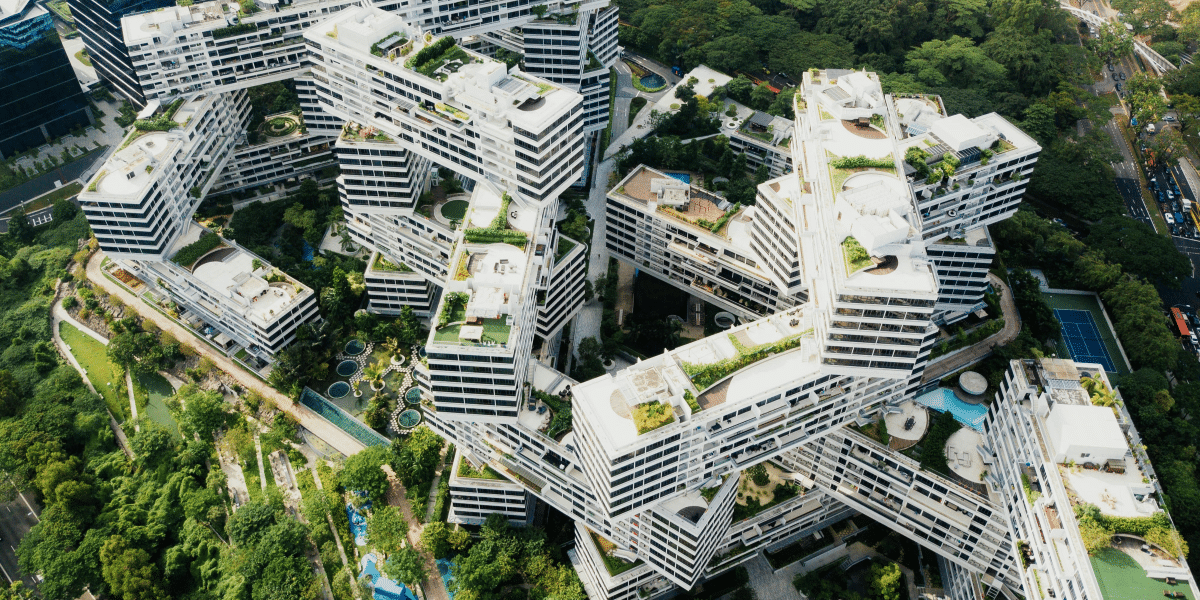
The landscape of sustainable construction is constantly changing with the introduction of latest materials and architectural designs that prioritize environmental efficiency. Recent developments have seen an upsurge in the usage of materials such as bamboo, recycled steel, and low-emission concrete, which all play pivotal roles in reducing the carbon footprint of new structures. This shift is complemented by innovations like green roofs and walls, which improve energy efficiency and add biodiversity to urban areas.
Moreover, the integration of smart technologies, such as energy management systems and automated lighting and heating controls, is transforming traditional operations. These technologies ensure optimal energy use, significantly lowering the carbon emissions associated with residential and commercial spaces. As these trends gain momentum, they pave the way for a future where all buildings are designed with the best practices in mind.
Core Strategies for Carbon-Neutral Designs
An essential aspect of achieving carbon neutrality in building designs is the integration of insulation and energy conservation techniques. Premium insulation methods prevent heat loss in colder climates and reduce the need for air conditioning in warmer areas, decreasing overall energy consumption.
The use of renewable energy sources is another cornerstone in the design of carbon-neutral structures. Solar panels, wind turbines, and geothermal systems are now being incorporated into new and existing structures to supply clean energy that powers daily operations without contributing to carbon emissions.
Insights from Carbon-Neutral Projects
Globally, numerous projects have demonstrated that achieving carbon neutrality is not only feasible but also economically viable. In Scandinavia, for instance, urban developments have successfully integrated extensive solar power systems and bioenergy facilities, setting benchmarks in sustainability. These projects often encounter challenges such as funding and public skepticism, yet they overcome these through innovative financing models and community engagement efforts.
Navigating Challenges and Future Outlook
The path to widespread adoption of sustainable building practices is filled with technical, financial, and regulatory challenges. Technical hurdles often include integrating renewable energy technologies into existing building infrastructures, which can require substantial modifications. Financially, the initial costs of green technologies can be high, though they generally pay off over time through energy savings and operational efficiencies. Regulatory frameworks can vary widely by region, affecting the pace at which sustainable practices are adopted.
Looking ahead, emerging technologies and governmental policies will be crucial in shaping the hereafterof sustainable construction policies. Predictive analytics, for instance, is beginning to play a pivotal role in optimizing building energy use and reducing waste. Meanwhile, more governments are expected to introduce stricter regulations and incentives for green buildings, which could accelerate the adoption globally.
Published by: Nelly Chavez