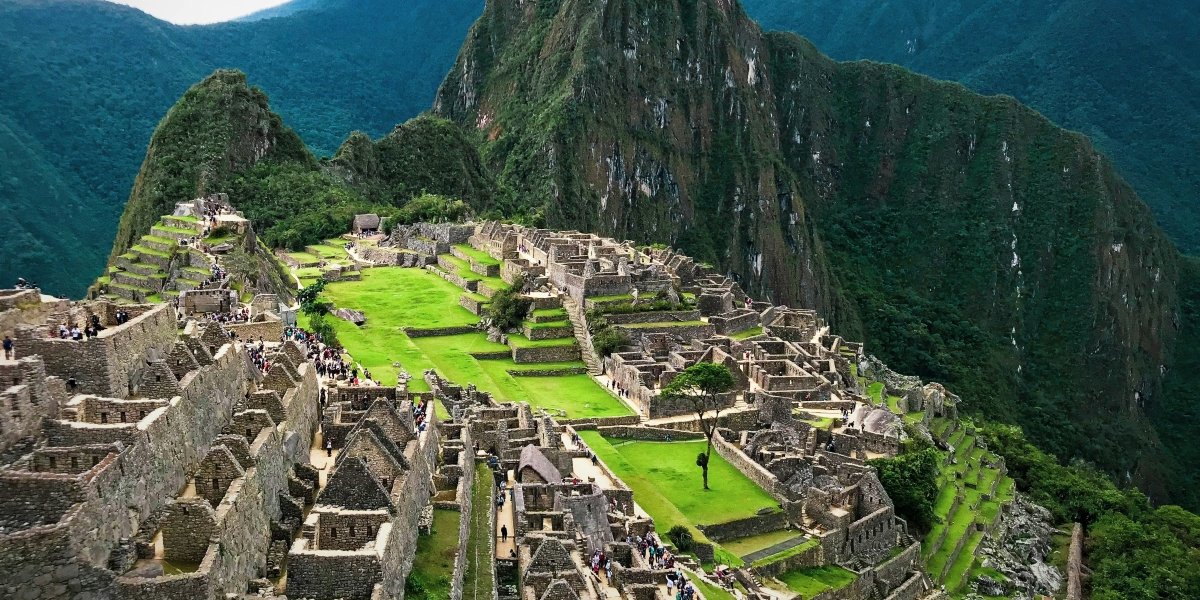
Machu Picchu is often regarded as more than just an archaeological site—it offers a glimpse into the engineering ingenuity, architectural skill, and spiritual worldview of the Inca civilization. Situated high in the Peruvian Andes at nearly 8,000 feet, the site is renowned for its breathtaking views and terraces. However, if you look more closely, you’ll notice hidden temples, sacred stones, and ritual spaces that reflect how integral spirituality was to Inca life. By exploring the temples through Machu Picchu tours, you can appreciate how the Inca may have blended religious devotion, stone craftsmanship, and astronomical knowledge into a remarkable whole.
The Temple of the Sun
The Temple of the Sun—arguably the most prominent sacred site at Machu Picchu—is a striking example of architectural precision. Crafted in a semicircular shape, with stones so meticulously fitted that mortar was not needed, the temple was dedicated to the sun god Inti. Because the windows align with the June solstice sunrise, it’s believed that priests could monitor the solar calendar, which played an important role in agriculture. During such observations, sunlight would enter through the carved window, illuminating the ceremonial stone. The interplay of stone and light highlights how central celestial monitoring might have been to Inca religion and farming cycles. For the Inca, these elements were closely intertwined.
The Temple of the Three Windows
Located within the Sacred Plaza is the Temple of the Three Windows, a trapezoidal structure named for the three windows that overlook the Urubamba Valley. Many scholars speculate that the trio may symbolize the realms of Inca cosmology: Hanan Pacha (the celestial world), Kay Pacha (the earthly world), and Ukhu Pacha (the underworld). It’s possible that priests used these windows to frame certain celestial bodies or mountain peaks, reinforcing the Inca belief that the natural landscape itself was a divine and sacred extension.
The Principal Temple
The Principal Temple—one of Machu Picchu’s largest ceremonial buildings—sits near the Sacred Plaza. The structure’s impressive stonework and considerable size suggest it may have been used for significant rituals. The building’s slightly slanted walls—characteristic of Inca construction—were designed to withstand earthquakes while also projecting a sense of grandeur. Although seismic activity and time have shifted some stones, the temple remains a compelling reminder of a place where governance and religion may have been closely intertwined.
The Intihuatana Stone
No discussion of Machu Picchu’s sacred sites would be complete without mentioning the Intihuatana Stone, often referred to as the “Hitching Post of the Sun.” Many historians believe the granite pillar, perched on a raised platform, served as both a ritual and an astronomical device. On equinoxes, the midday sun barely casts any shadow on the stone, suggesting that it may have functioned as a solar marker. Visitors often describe feeling a certain energy around the Intihuatana, which continues to inspire a sense of mystery and wonder.
The Sacred Rock
At Machu Picchu’s northern end stands the Sacred Rock, a massive granite monolith carefully shaped to resemble the silhouette of the nearby Yanantin mountain. The Inca considered the mountains to be spiritual guardians, and by mimicking the shape of the peak, they may have sought to ritually connect with its protective forces. The rock appears to have served as a focal point for ceremonies, potentially involving the natural landscape and the veneration of local deities. The careful positioning of such stones underscores the Inca belief that every natural feature was infused with divine presence.
Machu Picchu as a Spiritual Landscape
The combination of temples, sacred plazas, and ritual stones suggests that Machu Picchu was never solely an agricultural center or political retreat. Instead, it seems to have been a microcosm of the Inca worldview: a space where the realms of earth, sky, and the underworld were interconnected. Every sacred site within Machu Picchu reinforced the Inca belief that spiritual vitality may have permeated every part of life. Through Machu Picchu tours, you too can immerse yourself in this enduring wonder.