Goop Kitchen, the fast-casual restaurant concept founded by Gwyneth Paltrow and chef Kim Floresca, opened its first branded walk-in storefront on August 3 at 346 East 92nd Street on the Upper East Side. The location marks a departure from the delivery-only ghost kitchen model that has defined Goop Kitchen’s presence in New York City since April and its broader operations since launching in California in 2021.
Key Takeaways
- The Upper East Side storefront at 346 East 92nd Street is Goop Kitchen’s first walk-in retail location anywhere, following delivery-only ghost kitchens in Midtown West and East Williamsburg.
- The menu follows “Goop Certified Clean” standards, eliminating refined sugars, gluten, dairy, soy, corn, peanuts, seed oils, and preservatives from all items.
- Goop Kitchen has processed more than 3 million orders since its 2021 California debut and plans to operate 25 total locations, including seven in New York City, by the end of 2026.
- The “Made for New York” marketing campaign features Paltrow alongside Jonquel Jones of the New York Liberty and NYC Ballet principal dancer Jovani Furlan.
- New York is the state where Goop’s consumer brand awareness is strongest, according to Paltrow, making it the brand’s first expansion market outside California.
A Ghost Kitchen Brand Puts Its Name on a Door
Goop Kitchen arrived in New York City on April 20, 2026, with a delivery-only location in Midtown West. A second ghost kitchen in East Williamsburg followed shortly after. Both operate without customer-facing storefronts, processing orders through delivery apps and the Goop Kitchen website. Customers in those zones interact with the brand entirely through a screen and a courier.
The Upper East Side location changes that equation. The storefront at 346 East 92nd Street, near First Avenue, is designed for in-person ordering and pickup. Customers can walk in, view the menu, place an order at the counter, and leave with their food. The location also continues to service delivery orders, but the physical space is purpose-built around the walk-in experience.
The shift is strategic. Ghost kitchens minimize overhead by eliminating front-of-house staffing, signage, and customer-facing build-out costs. But they also limit brand visibility and make it difficult to build the kind of neighborhood foot traffic that drives repeat business. On the Upper East Side, where the sidewalk population skews toward office workers, parents with children, and gym-goers moving through daily routines, a visible storefront gives Goop Kitchen a presence that an unmarked kitchen behind a delivery app cannot replicate.
CEO Donald Moore has described the storefront concept as an “in real life” model that the company is testing alongside its delivery-first operations. The format is expected to generate roughly 80% delivery orders, with the remaining 20% coming from walk-in traffic.
The Menu Follows a Strict Elimination Framework
Goop Kitchen’s menu operates under what the company calls “Goop Certified Clean” standards, a set of exclusion criteria that removes refined sugars, gluten, dairy, soy, corn, peanuts, seed oils, and preservatives from every item. The framework has been central to the brand’s identity since its 2021 launch and applies uniformly across all locations, including the new storefront.
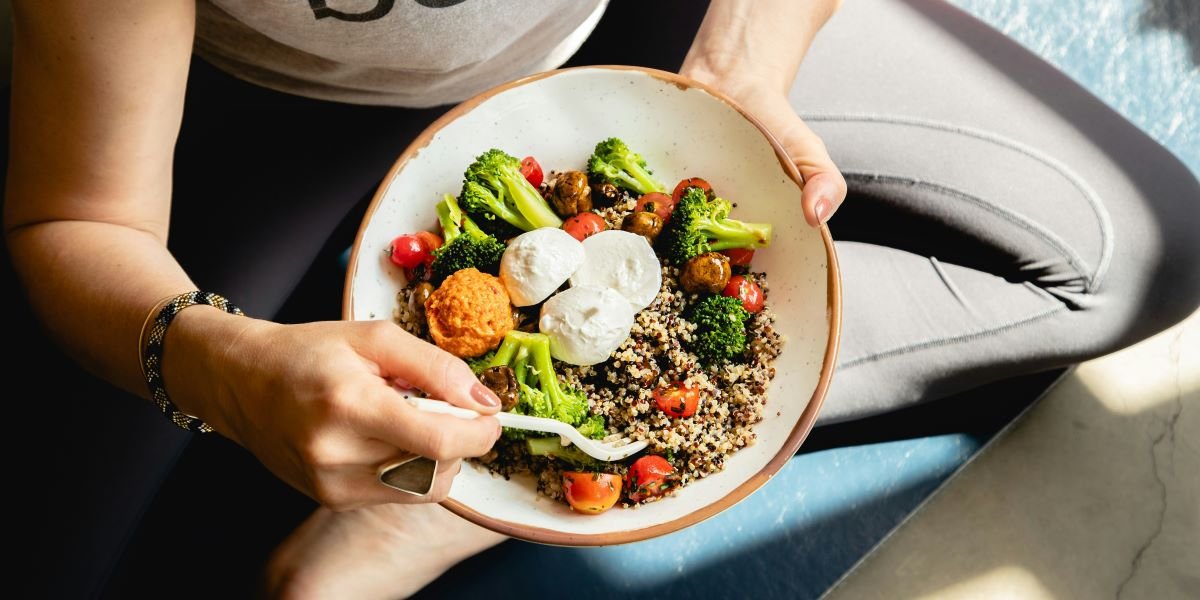
The menu itself spans grain bowls, salads, wraps, bento boxes, rotisserie chicken, and gluten-free pizzas. Signature items include the Chinese Chicken Salad, Miso Salmon Bowl, Everyday Kale and Brussels Salad, and the G-Potle Taco Crunch Bowl. The Falafel and Hummus Wrap uses a grain-free shell, and dessert options include the brand’s Coco Chocolate Chip Cookies and dark chocolate sea salt brownies.
The pricing positions Goop Kitchen within the fast-casual tier. Paltrow has stated that the menu is “pretty much in line” with comparable fast-casual restaurants in terms of price point, while arguing that the ingredient quality and preparation standards exceed what competitors offer at similar price levels. Whether that value proposition holds under scrutiny depends on the individual diner’s priorities, but the brand has processed more than three million orders since its California launch, suggesting a customer base willing to pay within that range.
New York Represents the Brand’s Largest Expansion Bet
Goop Kitchen operated exclusively in California for its first five years, building a footprint of 14 locations across Los Angeles and the Bay Area before crossing state lines. New York City was chosen as the first expansion market based on consumer data showing that New York is the state where Goop’s broader lifestyle brand carries its strongest awareness.
The expansion plan is aggressive by fast-casual standards. Goop Kitchen intends to operate seven New York City locations by the end of 2026, with additional sites planned for the Flatiron District, the Upper West Side, and other Manhattan and Brooklyn neighborhoods. Nationally, the company aims to reach 25 total locations by year-end, nearly doubling its footprint from the 14 California outposts. South Florida is the next market after New York, according to Moore.
The New York rollout launched with a marketing campaign titled “Made for New York,” designed to anchor the California-born brand in local cultural identity. The campaign features Paltrow alongside Jonquel Jones, the forward for the WNBA’s New York Liberty, and Jovani Furlan, a principal dancer with the New York City Ballet. Fashion creator Coco Schiffer and publicist Kelly Cutrone also appear. The campaign runs across out-of-home placements and social media, an investment Goop Kitchen’s marketing team views as necessary to build brand identity in a city where dining options compete at a density unmatched by any California market.
The Competitive Landscape Presents Both Opportunity and Risk
Goop Kitchen enters a New York fast-casual market that has shifted significantly since the category’s growth phase a decade ago. Sweetgreen, the closest comparable in the health-focused, bowl-and-salad segment, has faced recent pressure on customer traffic and same-store sales. Chipotle Mexican Grill has similarly reported challenges in maintaining diner volume at existing locations. Those headwinds suggest that consumer appetite for fast-casual dining is not unlimited, even in a market as large as New York City.
Goop Kitchen’s bet is that the elimination-diet framework creates a differentiated niche within the broader category. The strict removal of gluten, dairy, seed oils, and preservatives appeals to a specific consumer segment that treats dietary restrictions as lifestyle choices rather than medical necessities. That audience overlaps heavily with the wellness consumer who already engages with the Goop lifestyle brand through its editorial content, product line, and Netflix programming.
The risk is concentration. Seven New York City locations by year-end represents a rapid build-out in a market where restaurant failure rates remain high and lease costs continue to pressure margins. The ghost kitchen model mitigates some of that risk by keeping overhead low, but the Upper East Side storefront introduces the fixed costs that ghost kitchens were designed to avoid: retail rent, front-of-house staffing, and physical space maintenance. If the “in real life” format performs well, it could become the template for future openings. If it underperforms relative to the ghost kitchens, it may remain an experiment limited to a single neighborhood.
The Upper East Side as a Testing Ground
The neighborhood choice for Goop Kitchen’s first storefront is deliberate. The Upper East Side has the demographic profile that aligns with the brand’s target customer: high household income, established wellness and fitness culture, proximity to boutique gyms and luxury retail, and a walking population that uses sidewalk-level retail throughout the day. The location at East 92nd Street and First Avenue sits in Yorkville, a stretch of the Upper East Side that has seen a recent wave of new residential development and retail turnover.
For Goop Kitchen, the storefront will function as a proof of concept. The 80/20 split between delivery and walk-in orders will reveal whether the physical presence drives incremental revenue or simply redistributes orders that would have come through the delivery channel regardless. If the storefront demonstrates that a branded physical space generates customer acquisition and repeat visits that ghost kitchens cannot, the model will likely expand. If the numbers show that delivery-only locations produce equivalent revenue at lower cost, the storefront experiment may not replicate.
New Yorkers, for their part, now have the option of forming their own opinion without downloading an app first.
FAQs
Where is Goop Kitchen’s new NYC storefront located?
Goop Kitchen’s first walk-in storefront is at 346 East 92nd Street near First Avenue on the Upper East Side. The location opened on August 3, 2026, and is the brand’s third New York City outpost, following delivery-only ghost kitchens in Midtown West and East Williamsburg.
What dietary restrictions does Goop Kitchen accommodate?
All Goop Kitchen menu items are prepared under “Goop Certified Clean” standards, which exclude refined sugars, gluten, dairy, soy, corn, peanuts, seed oils, and preservatives. The menu includes grain bowls, salads, wraps, bento boxes, rotisserie chicken, and gluten-free pizzas.
How many Goop Kitchen locations are planned for New York City?
Goop Kitchen plans to operate seven New York City locations by the end of 2026. The company currently has three NYC outposts and intends to open additional sites in neighborhoods including the Flatiron District and Upper West Side. Nationally, the brand aims to reach 25 total locations by year-end.
Is the Upper East Side location delivery-only or walk-in?
The Upper East Side location is Goop Kitchen’s first walk-in storefront anywhere. Unlike the Midtown West and Williamsburg ghost kitchens, which process orders exclusively through delivery apps and the company website, the East 92nd Street location is designed for in-person ordering and pickup while also servicing delivery orders.